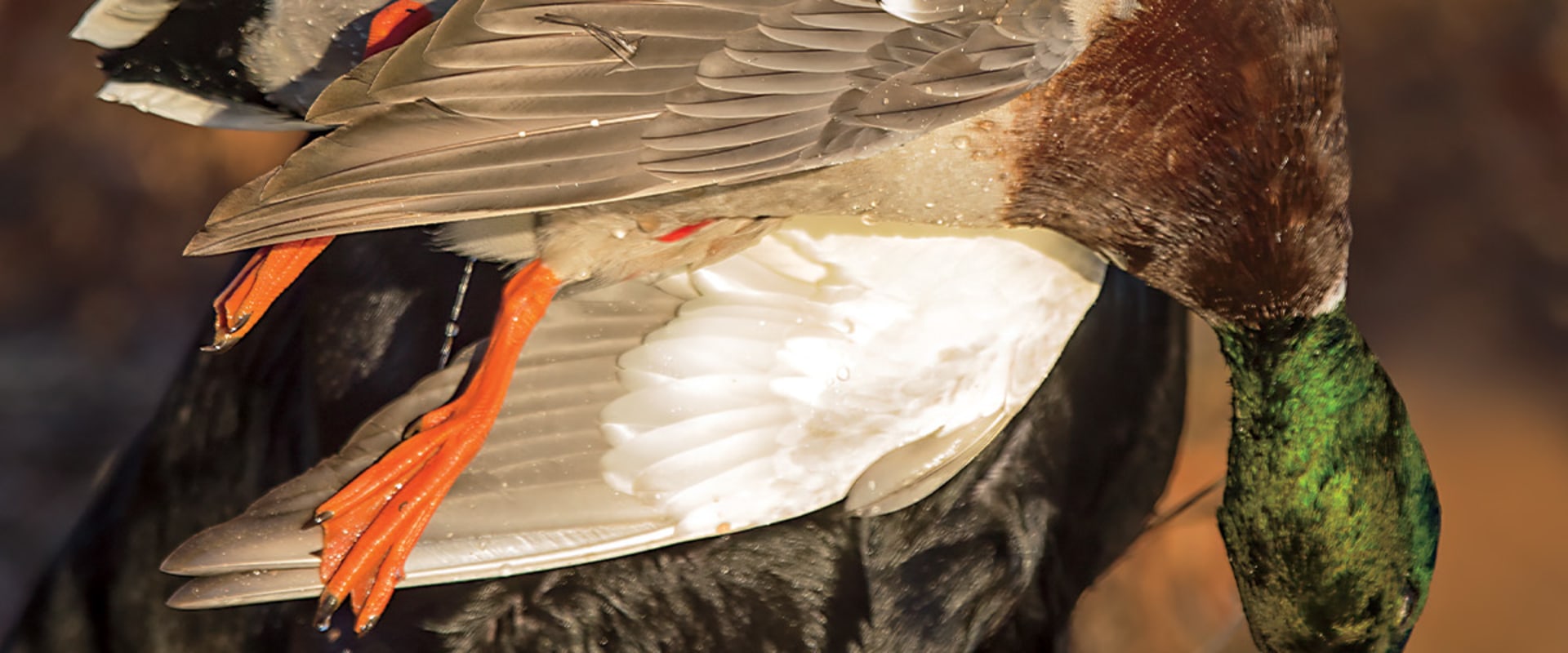
Texas is renowned for its diverse landscapes and abundant wildlife, making it a prime destination for duck hunting enthusiasts. With its vast wetlands, lakes, and coastal areas, the state offers a rich habitat for various duck species, attracting hunters from all over the country. However, with the thrill of the hunt comes the responsibility of adhering to duck hunting regulations that are designed to ensure sustainable practices and protect wildlife populations. Understanding these regulations is crucial for any hunter looking to enjoy a successful season. In Texas, hunters must be aware of specific rules regarding hunting seasons, bag limits, and the types of permissible hunting methods.
Additionally, one of the most important aspects of responsible hunting is the process of reporting harvested ducks. This not only helps in managing wildlife resources but also contributes to conservation efforts across the state. As you prepare for your next duck hunting adventure in Texas, it’s essential to familiarize yourself with these regulations and reporting requirements. By doing so, you not only enhance your own hunting experience but also play a vital role in preserving the natural beauty and ecological balance of Texas's wetlands. Let’s dive deeper into the specifics of reporting harvested ducks and what every hunter needs to know to comply with state laws.
Overview of Duck Hunting in Texas
Texas is renowned for its diverse and abundant waterfowl populations, making it a prime destination for duck hunting enthusiasts.The state offers a variety of habitats, from coastal marshes to inland lakes, which attract numerous species of ducks throughout the hunting season.
Types of Ducks in Texas
- Mallards: The most common and recognizable duck, mallards are often found in both urban and rural areas.
- Gadwalls: Known for their subtle beauty, gadwalls are frequently seen in Texas wetlands.
- Pintails: With their long necks and pointed tails, pintails are a favorite among hunters for their elegance.
- Wood Ducks: These strikingly colorful ducks prefer wooded swamps and are often sought after for their unique appearance.
- Teal: Including blue-winged and green-winged teal, these smaller ducks are known for their fast flight and agility.
Hunting Seasons
The hunting season for ducks in Texas typically runs from late September through late January, with specific dates varying by region. The state is divided into several zones, each with its own regulations regarding the start and end of the season. Hunters should be aware of these distinctions to ensure compliance with local laws.In addition to the general hunting season, Texas also observes special youth and conservation seasons that provide additional opportunities for hunters. These designated days allow young hunters to gain experience in a controlled environment while contributing to wildlife management efforts.Understanding the types of ducks available and the corresponding hunting seasons is crucial for any hunter looking to participate in Texas duck hunting.
This knowledge not only enhances the hunting experience but also ensures adherence to state regulations when it comes time to report harvested ducks.
Importance of Reporting Harvested Ducks
Reporting harvested ducks is a critical component of Texas duck hunting that directly influences conservation efforts and wildlife management strategies. When hunters report their harvests, they provide essential data that helps wildlife agencies assess the health of duck populations and their habitats.Why Reporting Matters
- Population Monitoring: Accurate reporting allows for effective monitoring of duck populations. This data helps determine whether populations are stable, increasing, or declining, which is vital for making informed management decisions.
- Regulation Development: The information gathered from harvest reports plays a significant role in shaping future hunting regulations. By understanding how many ducks are harvested each season, wildlife managers can adjust bag limits and hunting seasons to ensure sustainable practices.
- Habitat Conservation: Reporting also aids in identifying critical habitats that need protection or restoration.
If certain areas show a decline in harvested ducks, it may indicate habitat loss or degradation, prompting conservation efforts.
Impact on Future Hunting
The data collected from reported harvests not only informs current regulations but also sets the stage for future hunting opportunities. By participating in this process, hunters contribute to a cycle of sustainability that benefits both the sport and the environment. When hunters are diligent about reporting their harvests, they help ensure that Texas duck hunting remains a viable and enjoyable activity for generations to come.In conclusion, the importance of reporting harvested ducks cannot be overstated. It is a vital practice that supports conservation efforts and effective wildlife management, ultimately leading to healthier ecosystems and more sustainable hunting experiences.
Step-by-Step Process for Reporting Harvested Ducks in Texas
Reporting harvested ducks in Texas is a crucial step for all hunters to ensure compliance with state regulations and contribute to wildlife management efforts.Here’s a detailed step-by-step process to guide you through the reporting:
- Know the Reporting Requirements: Before heading out, familiarize yourself with the Texas Parks and Wildlife Department (TPWD) regulations regarding duck hunting. Each hunter is required to report their harvest within a specific timeframe.
- Gather Necessary Information: When reporting your harvested ducks, be prepared to provide essential details such as:
- The number of ducks harvested
- The species of each duck
- The date of the harvest
- The location where the ducks were harvested
- Choose Your Reporting Method: Texas offers several convenient methods for reporting your harvest:
- Online Reporting: Visit the TPWD website and navigate to the harvest reporting section. You will need to create an account or log in if you already have one.
- Mobile App: Download the TPWD mobile app, which allows you to report your harvest directly from your smartphone.
- Phone Reporting: If you prefer, you can call the TPWD hotline to report your harvest verbally.
- Submit Your Report: Follow the prompts based on your chosen method. Ensure that all information is accurate before submitting your report.
- Keep a Record: After reporting, it’s wise to keep a personal record of your harvest details for future reference and compliance checks.
Remember, accurate reporting helps wildlife officials manage populations effectively and maintain healthy ecosystems.
Methods of Reporting: Online and Offline Options
In Texas, reporting harvested ducks is a crucial part of responsible duck hunting practices. Hunters have several options to report their harvest, catering to both tech-savvy individuals and those who prefer traditional methods.Online Reporting Options
The Texas Parks and Wildlife Department (TPWD) offers a user-friendly online platform for hunters to report their harvested ducks. This method is not only convenient but also allows for real-time data collection, which helps in managing duck populations effectively. To use the online reporting system, hunters need to:- Visit the TPWD website.
- Create or log into their account.
- Navigate to the reporting section and enter the required information about their harvest.
Offline Reporting Options
For hunters who prefer a more traditional approach, offline reporting options are also available.These methods include:
- Phone Reporting: Hunters can call the TPWD's designated hotline to report their harvested ducks. This option is ideal for those who may not have internet access or prefer speaking to a representative.
- In-Person Reporting: Some local TPWD offices allow hunters to report their harvest in person. This can be a great opportunity to ask questions and receive additional information about duck hunting regulations.
Frequently Asked Questions about Duck Harvest Reporting
When it comes to duck harvest reporting in Texas, many hunters have questions about the process and requirements.Here are some frequently asked questions that can help clarify the reporting process.
- What is the purpose of reporting harvested ducks?
Reporting harvested ducks helps wildlife management agencies monitor populations and ensure sustainable hunting practices. This data is crucial for setting future regulations and maintaining healthy ecosystems. - How do I report my harvested ducks?
In Texas, hunters can report their harvested ducks through the Texas Parks and Wildlife Department (TPWD) website or via their mobile app. It’s important to have your hunting license number and details about your harvest ready when you report. - Is there a deadline for reporting?
Yes, hunters are required to report their harvest within a specific timeframe, typically within 24 hours of the hunt. Check the TPWD website for the most current regulations and deadlines. - What information do I need to provide?
When reporting, you will need to provide information such as the number of ducks harvested, species identification, and the location of the hunt.Accurate reporting helps in effective wildlife management.
- Are there penalties for not reporting?
Failure to report your harvest can result in fines or penalties. It’s essential to comply with reporting requirements to avoid any legal issues while enjoying Texas duck hunting.
Consequences of Failing to Report Harvested Ducks
Failing to report harvested ducks in Texas can lead to serious consequences for hunters. The state has established regulations to ensure sustainable hunting practices, and non-compliance can result in various penalties. One of the primary penalties for failing to report harvested ducks is the potential for fines. Texas Parks and Wildlife Department (TPWD) enforces strict regulations, and hunters who neglect to report their harvest may face monetary fines that can vary based on the severity of the violation.In some cases, these fines can accumulate, leading to significant financial repercussions. Additionally, there are legal implications associated with not reporting harvested ducks. Hunters may find themselves facing misdemeanor charges, which could result in a criminal record. This not only affects their ability to hunt in the future but may also impact other aspects of their lives, such as employment opportunities. Moreover, failing to report can have broader implications for wildlife management. Accurate reporting helps wildlife officials monitor duck populations and make informed decisions regarding hunting regulations.
When hunters do not comply, it undermines conservation efforts and can lead to stricter regulations in the future. In summary, the consequences of failing to report harvested ducks in Texas are significant. From financial penalties to legal repercussions and negative impacts on wildlife management, it is crucial for hunters to adhere to reporting requirements. By doing so, they contribute to sustainable hunting practices and help preserve the sport for future generations.
Conclusion: Key Takeaways on Reporting Harvested Ducks in Texas
In summary, understanding the process for reporting harvested ducks in Texas is crucial for every waterfowl hunter. Adhering to the regulations not only ensures compliance with state laws but also contributes to the conservation of duck populations and their habitats.- Know the Regulations: Familiarize yourself with the specific rules regarding duck hunting in Texas, including the reporting requirements that vary by season and species.
- Use the Online System: The Texas Parks and Wildlife Department (TPWD) provides an efficient online reporting system.
Make sure to report your harvest promptly to avoid any penalties.
- Keep Accurate Records: Maintain a personal log of your hunts, including dates, locations, and species harvested. This practice not only aids in reporting but also enhances your hunting experience.
- Stay Informed: Regulations can change annually, so it’s essential to stay updated on any new policies or changes in the reporting process.