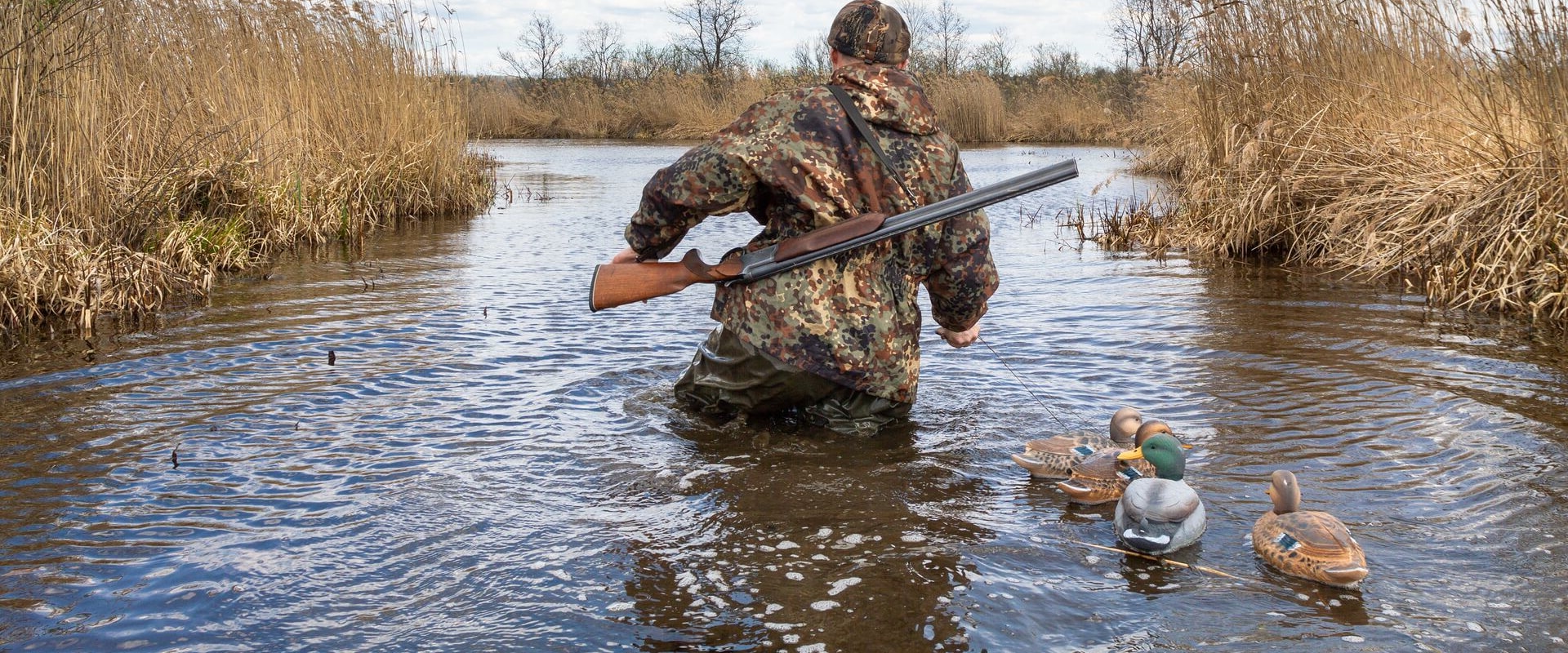
Texas is renowned for its diverse landscapes and rich wildlife, making it a prime destination for duck hunting enthusiasts. The state boasts a variety of habitats, from coastal marshes to sprawling wetlands, which attract numerous duck species during the hunting season. Understanding the nuances of texas duck hunting is essential for both seasoned hunters and newcomers alike, as it not only enhances the experience but also increases the chances of a successful outing. The duck hunting season in Texas typically runs from late fall to early winter, coinciding with the migratory patterns of various duck species. As hunters prepare for this exciting time, one critical factor that can significantly influence their success is the weather.
The conditions during this period can vary widely across the state, affecting everything from duck behavior to hunter comfort. In Texas, the weather during duck hunting season can range from mild and sunny to cold and rainy, creating a dynamic environment that hunters must navigate. Understanding these weather patterns is crucial, as they not only dictate where ducks will be found but also how hunters should dress and prepare for their trips. By delving into the specifics of Texas weather during this season, we can better appreciate how it shapes the overall duck hunting experience.
Overview of Duck Hunting Season in Texas
The duck hunting season in Texas is a highly anticipated time for many outdoor enthusiasts. Typically, the season runs from late September through late January, with specific dates varying by region.The Central Flyway, which includes much of Texas, generally opens for hunting in the last weekend of September, while the South Zone usually starts in mid-November. Understanding these dates is crucial for hunters planning their trips.In addition to knowing the season dates, it is essential to be aware of the Texas hunting regulations. Hunters must possess a valid Texas hunting license and a Federal Migratory Bird Hunting and Conservation Stamp (commonly known as the duck stamp). Furthermore, there are specific bag limits and species restrictions that hunters must adhere to.
For instance, the daily bag limit for ducks is typically six, but this can include no more than four mallards (only two of which can be female), among other stipulations.Waterfowl hunting in Texas is not just about the thrill of the hunt; it also involves understanding the habitat and migration patterns of various duck species. The state boasts diverse ecosystems, from coastal marshes to inland lakes, making it a prime location for both resident and migratory ducks. Hunters should familiarize themselves with local conditions and scouting reports to increase their chances of success.In summary, being informed about the duck hunting season dates, adhering to Texas hunting regulations, and understanding waterfowl behavior are all critical components for a successful hunting experience in Texas. Proper preparation ensures that hunters can enjoy this rewarding outdoor activity while respecting wildlife conservation efforts.
Typical Weather Conditions During Duck Hunting Season
During the duck hunting season in Texas, which typically runs from late September through January, hunters can expect a variety of weather conditions that significantly influence duck behavior and hunting success.Understanding these weather patterns is crucial for any serious hunter.
Temperature Ranges
- Early season temperatures in September and October can range from the mid-70s to low 90s °F, making it relatively warm.
- As the season progresses into November and December, temperatures drop significantly, often ranging from the mid-30s to mid-50s °F.
- By January, hunters may experience colder conditions, with temperatures occasionally dipping below freezing, especially in the northern regions of Texas.
Precipitation Patterns
- Texas experiences varied precipitation throughout the hunting season. Early in the season, rainfall can be sporadic but is generally less frequent.
- As winter approaches, hunters may encounter more consistent rain and even snow in some areas, particularly in the northern parts of the state.
- This precipitation is vital as it helps to create and maintain wetland habitats that attract ducks.
Wind Patterns
- Wind plays a significant role in duck hunting success. Typically, light to moderate winds are ideal for hunting as they help to conceal movement and encourage ducks to land.
- Strong winds can make hunting more challenging, as ducks may fly higher and be less likely to land in decoys.
- The prevailing winds during this season often come from the north or northwest, which can affect how ducks migrate and where they choose to settle.
Regional Variations in Weather Across Texas
Texas is a vast state with diverse landscapes, and this diversity significantly influences the weather conditions during duck hunting season.Understanding these regional variations is crucial for hunters aiming to optimize their experience.
North Texas Weather
In North Texas, the weather can be quite variable. Early in the season, temperatures may still be warm, but as winter approaches, cold fronts can sweep through, bringing chilly temperatures and occasional rain. This region often experiences:- Cooler temperatures: Average highs can drop to the 50s and 60s by late November.
- Increased precipitation: Rainfall can create ideal wetland conditions for ducks.
- Windy conditions: Strong winds are common, which can affect hunting strategies.
South Texas Weather
Conversely, South Texas tends to have milder weather during the hunting season. The climate here is generally warmer, with less dramatic temperature drops.Key characteristics include:
- Milder temperatures: Hunters can expect average highs in the 70s, making for comfortable outings.
- Less precipitation: This region may experience drier conditions, which can impact water levels in hunting areas.
- Humidity: Higher humidity levels can affect visibility and comfort while hunting.
Coastal vs. Inland Weather
The Texas coast presents its own unique weather patterns compared to inland areas. Coastal regions often have:- Milder winters: Temperatures are generally warmer due to the Gulf of Mexico's influence.
- Higher humidity and fog: These conditions can create challenging visibility for hunters.
- Frequent storms: Coastal areas may experience sudden weather changes, including rain and wind.
Impact of Weather on Duck Behavior and Hunting Success
The weather plays a crucial role in determining duck behavior and, consequently, the success of texas duck hunting.Understanding how various weather conditions affect ducks can significantly enhance a hunter's strategy.
Temperature and Migration Patterns
- Cold fronts often trigger migration, bringing in new flocks of ducks. Hunters should be particularly alert during these times, as the influx of birds can lead to increased activity.
- Warm weather can cause ducks to remain in their summer habitats longer, making them less accessible for hunters.
Precipitation and Water Levels
- Rain can create ideal hunting conditions by filling wetlands and creating new feeding areas. Ducks are more likely to be active in search of food during and after rainfall.
- However, heavy rains can also lead to flooding, which may push ducks into less accessible areas, making hunting more challenging.
Wind Conditions
- Wind can significantly impact duck behavior. Moderate winds often encourage ducks to fly lower and be more active, increasing the chances of successful hunts.
- Strong winds, on the other hand, may make it difficult for hunters to hear or see incoming flocks, complicating the hunting experience.
Best Conditions for Duck Hunting
The optimal conditions for duck hunting in Texas typically include cool temperatures with overcast skies and light winds.
These factors not only enhance visibility but also encourage ducks to be more active. Hunters should pay close attention to weather forecasts and plan their outings accordingly to maximize their chances of success.
Preparing for Weather Challenges During Duck Hunting Season
When it comes to Texas duck hunting, being prepared for the unpredictable weather is crucial for a successful outing. The state experiences a range of conditions during the hunting season, from chilly mornings to sudden rain showers. Here are some practical tips to help you gear up and stay safe.Essential Duck Hunting Gear for Weather
- Waterproof Clothing: Invest in high-quality waterproof jackets and pants to keep you dry during unexpected downpours.
- Insulated Layers: Layering is key.
Use moisture-wicking base layers, followed by insulating mid-layers, and finish with a waterproof outer layer.
- Footwear: Choose insulated, waterproof boots that provide good traction on slippery surfaces.
- Gloves and Hats: Keep your extremities warm with insulated gloves and a hat that can shield you from wind and rain.
Tips for Hunting in Bad Weather
- Stay Informed: Check weather forecasts regularly to anticipate changes and plan your trips accordingly.
- Adjust Your Timing: Ducks may be more active during overcast or rainy conditions, so consider hunting during these times.
- Use Decoys Wisely: In windy conditions, ensure your decoys are set up to mimic natural movement, which can attract more ducks.
Safety Precautions
- Visibility: Wear bright colors or reflective gear to ensure you are visible to other hunters, especially in low-light conditions.
- Stay Dry: Wet conditions can lead to hypothermia. Always have extra clothing in your gear bag in case you get wet.
- Know Your Limits: If the weather becomes too severe, prioritize safety over hunting. It’s better to wait for better conditions than risk injury.
Frequently Asked Questions About Weather and Duck Hunting in Texas
When it comes to Texas duck hunting, understanding the weather is crucial for a successful outing. Here are some frequently asked questions regarding the weather conditions during the hunting season:- What is the typical temperature during duck hunting season in Texas?
The temperatures can vary significantly across the state.Generally, early in the season (November), you can expect highs in the 60s and lows in the 40s. As winter progresses, temperatures can drop to the 30s and even lower in northern regions.
- How does rainfall affect duck hunting?
Rainfall can be beneficial as it fills wetlands and creates ideal habitats for ducks. However, heavy rain can also lead to flooding, making some areas inaccessible. Hunters should monitor local forecasts to plan accordingly. - What wind conditions are best for duck hunting?
Ducks tend to be more active on windy days, especially with a light to moderate breeze.Winds from 5 to 15 mph are generally ideal, as they help conceal hunters and make ducks more likely to land in decoys.
- Are there specific weather patterns that signal good hunting days?
Yes! Cold fronts often trigger increased duck activity. After a cold front passes, ducks are more likely to feed actively, making it an excellent time for hunters.
Conclusion: Key Takeaways on Weather and Duck Hunting in Texas
Understanding the weather during Texas duck hunting season is crucial for any hunter looking to maximize their success in the field. Throughout this article, we have explored various weather patterns and their impact on duck behavior, which ultimately influences hunting outcomes.Key Takeaways:- Temperature Variability: Texas experiences a wide range of temperatures during the hunting season, typically from mild to cold.
Hunters should be prepared for sudden temperature drops, especially in late fall and early winter.
- Precipitation Patterns: Rain can significantly affect duck movement. Wet conditions often lead to increased activity as ducks seek food in flooded areas. Conversely, dry spells may push ducks to migrate in search of water.
- Wind Conditions: Wind plays a vital role in duck hunting success. Moderate winds can enhance decoy visibility and encourage ducks to land, while calm days may result in less activity.
- Cold Fronts: The arrival of cold fronts can trigger migration and increase duck populations in certain areas.
Hunters should monitor weather forecasts closely to take advantage of these shifts.