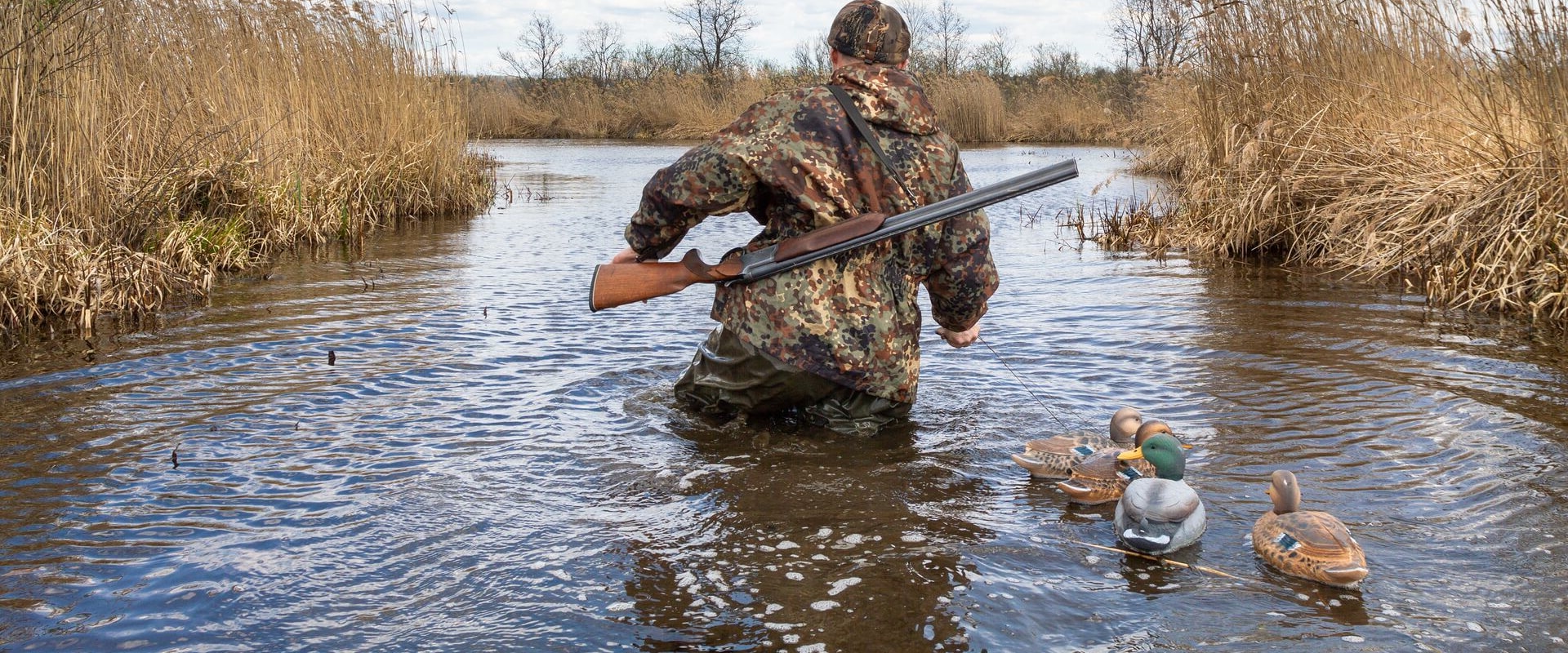
Texas is renowned for its diverse landscapes and abundant wildlife, making it a prime destination for duck hunting. With its vast wetlands, lakes, and rivers, the state offers a variety of habitats that attract numerous duck species during migration seasons. For both seasoned hunters and newcomers alike, texas duck hunting presents an exhilarating experience that combines skill, strategy, and a deep appreciation for nature.The significance of duck hunting in Texas extends beyond mere sport; it is a cherished tradition that fosters community and conservation. Many hunters participate in organized events and local competitions, which not only enhance their skills but also promote responsible hunting practices.
As the popularity of this activity continues to grow, so does the need for effective duck hunting techniques that cater to the unique conditions found in Texas.In this article, we will explore various methods employed by hunters across the state, from decoy setups to calling techniques. Understanding these strategies is essential for anyone looking to improve their success rate in the field. Whether you are hunting in the coastal marshes or the piney woods of East Texas, mastering these techniques will enhance your experience and connection to this beloved pastime.
Understanding the Texas Duck Hunting Landscape
Texas is renowned for its diverse ecosystems, making it a prime destination for duck hunting. The state boasts a variety of habitats, including expansive wetlands, lakes, and rivers that attract numerous migratory bird species.Understanding the geographical and environmental factors that contribute to successful Texas duck hunting can significantly enhance your experience.
Wetlands and Lakes
- Coastal Marshes: The Texas Gulf Coast features extensive marshlands that serve as critical stopover points for migratory ducks. These areas are rich in food sources, making them ideal for hunting.
- Reservoirs: Large bodies of water like Lake Texoma and Lake Fork provide excellent hunting opportunities. These reservoirs attract a variety of duck species during migration seasons.
- Rice Fields: The rice-producing regions of Texas, particularly in the Upper Coast, create flooded fields that draw in ducks looking for food. Hunting in these areas can yield impressive results.
Migratory Patterns
The migratory patterns of ducks are influenced by seasonal changes and weather conditions.
In Texas, the peak migration occurs during the fall and winter months when northern species travel south to escape the cold. Understanding these patterns can help hunters identify the best times and locations for duck hunting.
Best Places for Duck Hunting in Texas
- Trinity River: This river system offers a mix of habitats that attract various duck species, making it a popular spot among hunters.
- Matagorda Bay: Known for its rich estuarine environment, Matagorda Bay is a hotspot for both resident and migratory ducks.
- Sabine River: The wetlands along the Sabine River provide excellent cover and food sources, making it another favored location for hunters.
Popular Duck Hunting Techniques in Texas
When it comes to Texas duck hunting, employing effective techniques can significantly enhance your success rate. Here are some of the most popular methods used by hunters across the Lone Star State.Decoy Placement
One of the most critical aspects of duck hunting is the strategic placement of decoys. In Texas, hunters often use a mix of species-specific decoys to attract various types of ducks.The key is to mimic natural behavior:
- V-formation: Arrange decoys in a V-shape to simulate a flock landing.
- Feeding patterns: Scatter decoys in a way that resembles ducks feeding on the water's surface.
- Motion decoys: Incorporate spinning-wing decoys to create movement that draws in curious birds.
Calling Techniques
Effective calling can make or break a hunt. In Texas, hunters utilize various calls to mimic the sounds of ducks:- Quacks: The classic quack is essential for attracting mallards.
- Feeding calls: These sounds imitate ducks foraging and can entice nearby birds.
- Distant calls: Use these to reach ducks that are further away, drawing them closer to your setup.
Blind Setups
A well-constructed blind is crucial for concealment and comfort. In Texas, hunters often choose from several types of blinds:- Pit blinds: These are dug into the ground and provide excellent cover while allowing hunters to sit comfortably.
- Floating blinds: Ideal for marshy areas, these allow hunters to blend into the environment while remaining mobile.
- Natural cover: Utilizing reeds, grass, and other natural materials can help camouflage temporary setups.
Decoy Strategies for Successful Duck Hunting
When it comes to Texas duck hunting, employing effective decoy strategies can significantly enhance your chances of a successful hunt. Decoys serve as a visual lure, mimicking the appearance and behavior of real ducks, which can attract them to your hunting area.Types of Decoys
- Floating Decoys: These are essential for hunting in water.
They mimic ducks resting or feeding on the surface, making them particularly effective in lakes and marshes.
- Field Decoys: Used primarily in agricultural areas, these decoys simulate ducks feeding in fields. They are often placed in groups to create a realistic scene.
- Motion Decoys: These decoys add movement to your spread, which can be particularly enticing for approaching ducks. Options include spinning-wing decoys or those that mimic natural movements.
Effective Decoy Placement
The placement of your decoys is crucial. Here are some strategies to consider:
- V-Shape Formation: Arranging decoys in a V-shape can guide incoming ducks toward your shooting position, creating a natural landing zone.
- Cluster Groups: Ducks often gather in groups, so placing decoys in clusters can create a more realistic environment.
Aim for a mix of species to attract a variety of ducks.
- Spacing: Avoid overcrowding your decoys. Proper spacing allows for realistic movement and gives incoming ducks room to land.
Timing and Conditions
The effectiveness of your decoy strategy can also depend on timing and environmental conditions. Early morning and late afternoon are prime times for duck activity. Additionally, consider wind direction; positioning your decoys so that they face into the wind can make them appear more inviting to approaching birds.In summary, mastering decoy techniques is essential for any serious Texas duck hunting enthusiast.
By understanding the types of decoys available and implementing effective placement strategies, you can significantly increase your chances of attracting ducks and enjoying a successful hunt.
Calling Techniques: Attracting Ducks Effectively
When it comes to Texas duck hunting, mastering the art of calling is essential for attracting ducks effectively. Different species of ducks respond to various calls, so understanding these nuances can significantly enhance your hunting success.Types of Duck Calls
- Single Reed Calls: These are versatile and can produce a wide range of sounds, making them ideal for beginners and experienced hunters alike.
- Double Reed Calls: Known for their ease of use, double reed calls are perfect for creating softer, more subtle sounds that can attract wary ducks.
- Wooden Calls: Often favored for their rich tones, wooden calls can mimic the natural sounds of ducks more authentically than plastic alternatives.
Basic Calling Techniques
To effectively call ducks, consider the following techniques:- Quacking: The most recognizable sound, a series of quacks can signal to ducks that it’s safe to land. Practice varying the pitch and rhythm to make your calls more realistic.
- Feeding Calls: These sounds mimic ducks feeding and can be particularly effective during the early morning or late afternoon when ducks are actively foraging.
- Greeting Calls: Use these soft, inviting sounds to create a welcoming atmosphere for incoming ducks. They help establish a sense of safety and community among the birds.
Use your calls strategically based on the time of day and the behavior of the ducks in your area. For instance, during peak migration periods in Texas, you may find that a more aggressive calling strategy yields better results.Finally, practice is key. Spend time honing your skills with different types of Texas duck calls, and don’t hesitate to experiment with various techniques until you find what works best for you. With dedication and patience, you’ll become proficient at calling ducks, making your Texas duck hunting experience all the more rewarding.
Choosing the Right Gear for Duck Hunting in Texas
When it comes to Texas duck hunting, having the right gear is crucial for both comfort and success in the field.The vast landscapes and varying weather conditions in Texas require hunters to be well-prepared with essential equipment.
Firearms
The choice of firearm is one of the most important decisions for any duck hunter. In Texas, a 12-gauge shotgun is the most popular choice due to its versatility and effectiveness. Models such as the Remington 870 or Benelli Super Black Eagle II are favored for their reliability and performance. Additionally, consider using non-toxic shot, as it is required in many areas to protect wildlife.Clothing
Weather conditions can change rapidly in Texas, so layering is key.Start with moisture-wicking base layers to keep you dry, followed by insulating mid-layers for warmth. A waterproof outer layer is essential to shield against rain and wind. Look for camouflaged patterns that blend into the environment, helping you remain concealed from wary ducks.
Accessories
- Decoys: Invest in a variety of decoys that mimic different species of ducks. This will increase your chances of attracting birds.
- Calls: A good duck call can make a significant difference.
Practice with both single-reed and double-reed calls to find what works best for you.
- Waders: Waterproof waders are essential for navigating marshy areas and keeping you dry while waiting for ducks.
- Backpack: A durable backpack will help you carry all your gear efficiently, ensuring you have everything you need at your fingertips.
Safety and Regulations in Texas Duck Hunting
When engaging in Texas duck hunting, it is crucial to prioritize safety and adhere to the legal regulations set forth by the state. Understanding these guidelines not only ensures a successful hunting experience but also promotes responsible hunting practices.Texas Duck Hunting Regulations
Before heading out, hunters must familiarize themselves with the regulations governing duck hunting in Texas. These regulations include:- Hunting Seasons: Texas has specific seasons for duck hunting, typically running from late September through January.
Always check the current year’s dates as they may vary.
- Bag Limits: There are limits on the number of ducks a hunter can take per day. For example, the daily bag limit may include a mix of species, so it’s essential to know these limits to avoid penalties.
- Licensing: All hunters must possess a valid Texas hunting license and a federal duck stamp. Ensure that your licenses are up-to-date before your hunting trip.
Safety Tips for Duck Hunting
In addition to understanding regulations, following safety tips is vital for a secure hunting experience:- Wear Appropriate Gear: Always wear a life jacket when hunting from a boat and dress in layers to adapt to changing weather conditions.
- Use Proper Firearm Safety: Treat every firearm as if it is loaded. Keep your finger off the trigger until you are ready to shoot, and always be aware of your surroundings.
- Hunt with a Partner: It’s safer to hunt with at least one other person.
This way, help is readily available in case of an emergency.
Frequently Asked Questions about Duck Hunting in Texas
Duck hunting in Texas is a popular pastime, and many newcomers have questions about how to get started and what to expect. Here are some frequently asked questions that can help both novice and experienced hunters.What are the best times for duck hunting in Texas?
The prime duck hunting season in Texas typically runs from late November through January. Early morning and late afternoon are the most productive times to hunt, as ducks are more active during these hours.Do I need a license to hunt ducks in Texas?
Yes, all hunters aged 17 and older must possess a valid Texas hunting license along with a Federal Duck Stamp.It’s essential to familiarize yourself with the specific regulations regarding waterfowl hunting in your area.
What gear do I need for duck hunting?
- Shotgun: A 12-gauge shotgun is commonly used, but 20-gauge shotguns are also popular among some hunters.
- Ammunition: Steel shot is required for waterfowl hunting due to environmental regulations.
- Decoys: Using decoys can significantly increase your chances of attracting ducks.
- Camouflage: Proper clothing and gear that blend into the environment are crucial for staying concealed.
What tips do you have for new hunters?
- Scout Locations: Spend time scouting potential hunting areas before the season starts. Look for water sources and feeding areas where ducks congregate.
- Practice Safety: Always prioritize safety by wearing a life jacket when hunting near water and following firearm safety rules.
- Learn Calling Techniques: Familiarize yourself with duck calls to effectively communicate with the birds.
- Be Patient: Duck hunting requires patience; sometimes, it may take time for ducks to come into range.
Conclusion: Mastering Duck Hunting Techniques in Texas
In conclusion, mastering duck hunting techniques in Texas is essential for both novice and experienced hunters looking to enhance their success in the field. Throughout this article, we have explored various methods that are particularly effective in the diverse landscapes of Texas, from the coastal marshes to the expansive wetlands.Understanding the local environment is crucial. Texas offers a unique blend of habitats that attract different species of ducks, making it vital for hunters to adapt their strategies accordingly.Whether you prefer decoy setups, calling techniques, or utilizing blinds, each method has its own advantages that can significantly impact your hunting experience.
Key Techniques Recap
- Decoy Placement: Strategically placing decoys can mimic natural duck behavior, drawing in flocks effectively.
- Calling: Mastering various calls can help communicate with ducks, enticing them to your location.
- Timing: Understanding migration patterns and hunting during peak times increases your chances of success.
- Blinds and Concealment: Using well-camouflaged blinds helps hunters remain undetected by wary ducks.