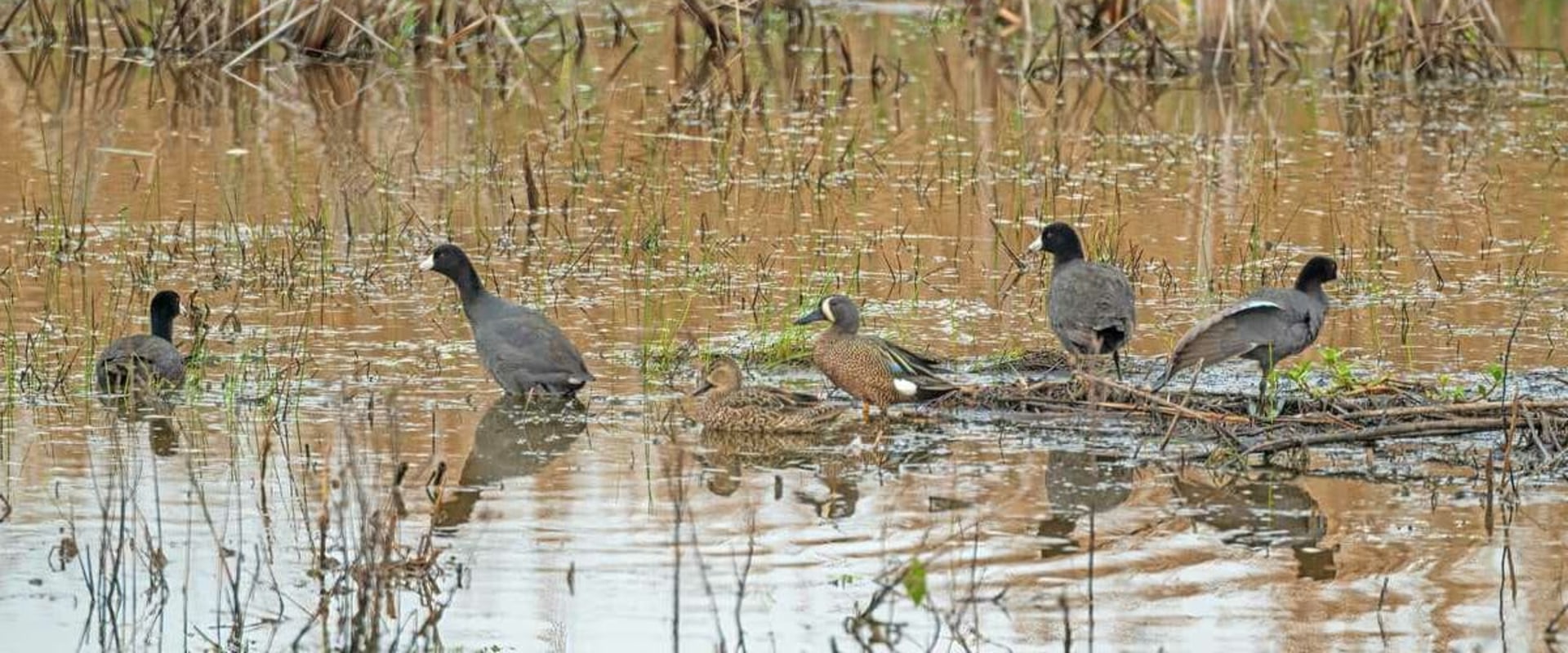
In Texas, Wildlife Management Areas (WMAs) play a crucial role in the conservation of wildlife and the management of natural resources. These designated areas are specifically established to provide habitats for various species, including waterfowl, making them prime locations for Texas duck hunting. Understanding the significance of WMAs is essential for hunters who wish to engage in responsible and sustainable hunting practices while enjoying the rich biodiversity that Texas has to offer. WMAs are not just hunting grounds; they are carefully managed ecosystems that support a variety of wildlife. The Texas Parks and Wildlife Department (TPWD) oversees these areas, ensuring that they remain healthy and productive.
For hunters, this means access to well-maintained habitats that can enhance their hunting experience. However, with this access comes a responsibility to adhere to specific regulations designed to protect both the wildlife and the environment. Before heading out to hunt in these areas, it is vital for hunters to familiarize themselves with the Texas duck hunting regulations that apply within WMAs. These rules can vary significantly from one area to another, reflecting the unique ecological characteristics and management goals of each WMA. By understanding these regulations, hunters can contribute to the sustainability of the wildlife populations while also ensuring a successful and enjoyable hunting experience. In summary, Texas Wildlife Management Areas serve as essential hubs for conservation and recreation.
They offer hunters a unique opportunity to engage with nature while following guidelines that promote ecological balance. As we delve deeper into the specific rules governing hunting in these areas, it becomes clear that knowledge and respect for these regulations are key components of responsible hunting in Texas.
General Hunting Regulations in Texas
When it comes to hunting regulations in Texas, understanding the rules is essential for a successful and legal hunting experience. The Texas Parks and Wildlife Department (TPWD) oversees all hunting activities, ensuring that hunters comply with state laws designed to protect wildlife and promote sustainable practices.Licensing Requirements
- All hunters aged 17 and older must possess a valid Texas hunting license.
- Specific licenses may be required for different types of game, including waterfowl, which is particularly relevant for Texas duck hunting.
- Hunters must also complete a hunter education course if born on or after September 2, 1971.
Season Dates
Hunting seasons vary by species and region. For example, the general waterfowl season typically runs from late November through January, but exact dates can change annually.
It’s crucial to check the TPWD website for the most current information regarding season dates.
Bag Limits
- Bag limits are established to maintain healthy populations of wildlife. For ducks, the daily bag limit is often set at six birds, but this can vary based on species.
- Hunters should familiarize themselves with specific limits for each type of duck, as some species may have stricter regulations.
Additional Regulations
- Hunters must adhere to specific regulations regarding the use of firearms and ammunition. Non-toxic shot is required for waterfowl hunting.
- It is illegal to hunt migratory birds over baited areas unless the bait has been removed for at least 10 days prior to hunting.
- Always check local regulations as some state wildlife management areas may have additional rules.
Specific Rules for Duck Hunting in WMAs
When it comes to duck hunting in Texas, particularly within the state’s Wildlife Management Areas (WMAs), there are specific rules and regulations that hunters must adhere to. These guidelines are designed to ensure sustainable hunting practices and the conservation of wildlife habitats.Licensing and Permits:
Before heading out, hunters must possess a valid Texas hunting license along with a federal duck stamp.Additionally, some WMAs may require a special permit for access, which can typically be obtained through the Texas Parks and Wildlife Department (TPWD) website or local offices.
Hunting Seasons:
Each WMA has designated hunting seasons that may differ from general state regulations. It is crucial for hunters to check the specific hunting season dates for the WMA they plan to visit, as these can vary based on local wildlife populations and management goals.Bag Limits:
The bag limits for duck hunting in WMAs are often stricter than those set by the state. Hunters should familiarize themselves with the specific limits for each area, which can include restrictions on certain species of ducks. For example, some WMAs may have a limit on the number of mallards or pintails that can be harvested.Hunting Methods:
In many WMAs, the use of certain hunting methods is regulated.For instance, while traditional methods like shotguns are permitted, the use of lead shot is often prohibited in favor of non-toxic alternatives. Additionally, some areas may have restrictions on the use of motorized vehicles or boats during hunting.
Access and Safety Regulations:
Hunters must also be aware of access rules within WMAs. Some areas may have designated entry points or specific trails that must be used to minimize disturbance to wildlife. Furthermore, safety regulations such as wearing blaze orange during certain times or maintaining a safe distance from other hunters are enforced to ensure a safe hunting environment.By understanding and following these WMA duck hunting regulations, hunters can contribute to the conservation efforts in Texas while enjoying a successful and responsible hunting experience.Permits and Licensing for WMA Hunting
When planning to hunt in Texas Wildlife Management Areas (WMAs), understanding the permits and licensing requirements is crucial for a successful outing.Each WMA has specific regulations that hunters must adhere to, particularly for Texas duck hunting.
Hunting Permits in Texas
- All hunters must possess a valid Texas hunting license. This license can be obtained through the Texas Parks and Wildlife Department (TPWD) website or at authorized retailers.
- In addition to the general hunting license, a WMA hunting permit is required for hunting in designated WMAs. These permits are typically free but must be obtained before entering the area.
- For those specifically interested in duck hunting, a federal migratory bird stamp is also necessary. This stamp can be purchased online or at various locations, including post offices.
Obtaining WMA Hunting Licenses
The process for obtaining a WMA hunting permit is straightforward:
- Visit the TPWD website or your local TPWD office.
- Select the appropriate WMA and review its specific regulations and requirements.
- Complete any necessary forms and submit them as directed.
Fees and Restrictions
- The WMA hunting permit is generally free, but some areas may have additional fees for special hunts or events.
- Be aware of any restrictions related to hunting seasons, bag limits, and specific regulations that apply to waterfowl hunting.
Always check the latest regulations on the TPWD website before heading out, as rules may change annually.
Safety Guidelines and Best Practices
When engaging in Texas duck hunting on state wildlife management areas (WMAs), adhering to safety guidelines is paramount. These practices not only protect hunters but also ensure the well-being of the environment and wildlife.Essential Safety Tips
- Wear Appropriate Gear: Always wear a life jacket when hunting from a boat and consider using blaze orange clothing to enhance visibility.
- Check Weather Conditions: Before heading out, monitor the weather forecast. Sudden changes can affect visibility and safety.
- Use Proper Firearm Handling: Treat every firearm as if it is loaded. Always point the muzzle in a safe direction and keep your finger off the trigger until ready to shoot.
- Stay Aware of Your Surroundings: Be mindful of other hunters, wildlife, and potential hazards in the area.
Maintain a safe distance from others while hunting.
Best Practices for Duck Hunting
- Scout Locations: Prior to your hunting trip, scout the area to identify where ducks are congregating. This will increase your chances of a successful hunt.
- Practice Ethical Hunting: Follow all regulations regarding bag limits and species identification. Respect the wildlife and their habitats.
- Communicate with Your Group: Establish clear communication signals with your hunting partners to avoid accidents and ensure everyone is on the same page.
- Be Prepared for Emergencies: Carry a first aid kit and know basic first aid procedures. Familiarize yourself with emergency contacts in the area.
Remember, safety is not just a personal responsibility; it’s essential for preserving the integrity of Texas's natural resources and ensuring future generations can enjoy these activities.
Frequently Asked Questions about Duck Hunting in Texas WMAs
When it comes to duck hunting in Texas, particularly within state wildlife management areas (WMAs), hunters often have a variety of questions. Here are some of the most frequently asked questions regarding regulations and best practices:- What are the hunting seasons for ducks in Texas WMAs? The hunting season for ducks typically runs from late September through late January, but specific dates can vary by WMA. Always check the Texas Parks and Wildlife Department website for the most current information.
- Do I need a special permit to hunt in Texas WMAs? Yes, hunters are required to have a valid Texas hunting license and may need additional permits depending on the specific WMA. Some areas may also require a WMA permit, which can be obtained online or at designated locations.
- Are there restrictions on the types of firearms and ammunition I can use? Most WMAs allow shotguns only, and hunters must use non-toxic shot for waterfowl hunting.
It’s essential to familiarize yourself with the specific regulations of each WMA.
- Can I hunt from a boat in Texas WMAs? Hunting from a boat is permitted in many areas, but there are restrictions regarding motorized boats and specific zones within WMAs. Always check local regulations before heading out.
- What should I know about access and parking? Access points and parking areas can vary by WMA. Some areas may have designated parking lots, while others may require walking in. Be sure to arrive early to secure a good spot.
Conclusion: Key Takeaways for Duck Hunters in Texas WMAs
In conclusion, understanding the specific rules and regulations for duck hunting in Texas Wildlife Management Areas (WMAs) is crucial for a successful and compliant hunting experience.Here are the key takeaways that every hunter should keep in mind:
- Know the Regulations: Each WMA has its own set of rules regarding hunting seasons, bag limits, and permissible hunting methods. Always check the latest regulations before heading out.
- Permits and Licenses: Ensure you have the appropriate licenses and permits required for hunting in Texas. This includes a valid Texas hunting license and any specific permits for WMAs.
- Respect Wildlife: Adhere to ethical hunting practices. This includes not only following legal guidelines but also being mindful of the environment and other wildlife.
- Safety First: Always prioritize safety by wearing appropriate gear, using proper firearms handling techniques, and being aware of your surroundings.
- Stay Informed: Regulations can change, so it’s important to stay updated through the Texas Parks and Wildlife Department’s website or local offices.
Remember, responsible hunting not only enhances your own experience but also ensures that future generations can enjoy duck hunting in Texas WMAs.