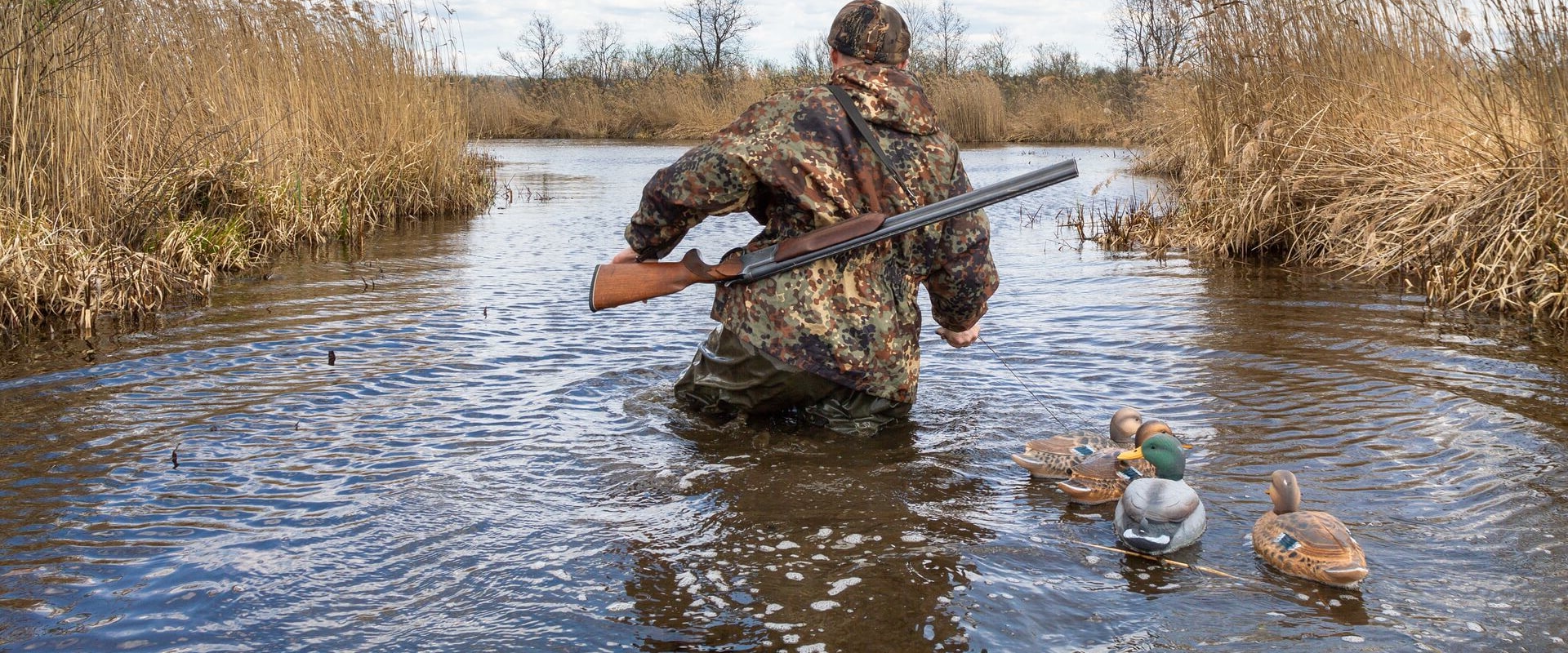
Duck hunting in Texas is not just a pastime; it’s a cherished tradition that draws thousands of enthusiasts each year. With its diverse ecosystems, from coastal marshes to sprawling wetlands, Texas offers some of the best duck hunting opportunities in the United States. The thrill of the hunt, combined with the camaraderie among fellow hunters, makes this activity a popular choice for both seasoned veterans and newcomers alike. However, before you grab your gear and head out into the field, it’s crucial to understand the duck hunting regulations that govern this sport. Texas has specific laws in place to ensure sustainable hunting practices and the conservation of wildlife.
These regulations cover everything from hunting seasons and bag limits to the types of equipment that can be used. Familiarizing yourself with these rules not only enhances your experience but also helps protect the natural resources that make duck hunting possible. One of the most important aspects of preparing for a successful duck hunting trip in Texas is obtaining the proper hunting licenses. In order to hunt legally, you must possess a valid Texas hunting license along with a federal duck stamp. Understanding these legal requirements is essential for any hunter looking to enjoy the rich landscapes and abundant wildlife that Texas has to offer.
As you embark on your duck hunting journey, being informed about these regulations will ensure that you have a safe and enjoyable experience while contributing to the preservation of this beloved tradition.
Overview of Hunting Licenses in Texas
In Texas, understanding the hunting licenses required for activities such as duck hunting is crucial for both novice and experienced hunters. The state has established a variety of licenses to accommodate different types of hunters and their specific needs.Types of Hunting Licenses in Texas
- Annual Hunting License: This is the most common license, allowing hunters to pursue various game species throughout the year.
- Specialty Licenses: These include licenses for specific game, such as waterfowl, which are essential for those specifically interested in texas duck hunting.
- Youth Hunting License: Available for hunters under 17, this license encourages young people to engage in hunting activities.
- Senior Hunting License: Texas offers discounted licenses for residents aged 65 and older, promoting continued participation in hunting.
Who Needs a License?
Generally, anyone aged 17 and older must possess a valid hunting license to hunt in Texas. However, there are exceptions for certain events, such as designated youth hunts or special days when licenses may not be required. It’s important to check the specific regulations for these events.
How to Obtain a Hunting License
Obtaining a hunting license in Texas is straightforward.
Hunters can purchase their licenses online through the Texas Parks and Wildlife Department (TPWD) website, at authorized retailers, or at TPWD offices. When applying, be prepared to provide personal information and proof of residency if applicable.
Texas Hunting Regulations
In addition to having the appropriate license, hunters must adhere to state regulations regarding hunting seasons, bag limits, and specific rules related to duck hunting. Familiarizing yourself with these regulations is essential to ensure a safe and legal hunting experience.In summary, understanding the various types of hunting licenses in Texas, who needs them, and how to obtain them is vital for anyone looking to participate in texas duck hunting. Always stay informed about current regulations to enhance your hunting experience.
Do You Need a License for Duck Hunting?
When it comes to Texas duck hunting, understanding the licensing requirements is crucial for both novice and experienced hunters.In Texas, a valid hunting license is required for anyone who wishes to hunt ducks. This is part of the state's efforts to manage wildlife populations and ensure sustainable hunting practices.
General License Requirements:
- All hunters aged 17 and older must possess a valid Texas hunting license.
- A Federal Duck Stamp is also required for hunting migratory waterfowl, including ducks.
- Hunters under 17 are not required to have a hunting license but must be accompanied by a licensed adult.
Special Conditions:
- Some exemptions may apply for certain groups, such as active military personnel or individuals participating in designated youth hunts.
- Additionally, Texas offers a Senior Resident Hunting License for residents aged 65 and older, which provides discounted rates.
Types of Licenses Required for Duck Hunting
When it comes to Texas duck hunting, understanding the types of licenses required is crucial for a successful and legal hunting experience.In Texas, hunters must obtain specific licenses to comply with both state and federal regulations.
1.State Hunting License
- All hunters in Texas are required to possess a valid Texas hunting license. This license can be obtained through the Texas Parks and Wildlife Department (TPWD) and is available for purchase online or at various retail locations.
- The standard hunting license allows individuals to hunt various game species, including ducks, during the designated seasons.
2.Federal Duck Stamp
- In addition to the state hunting license, all waterfowl hunters must also purchase a Federal Duck Stamp. This stamp is essential for anyone aged 16 and older who plans to hunt migratory waterfowl.
- The funds generated from the sale of these stamps are used to conserve wetland habitats, making it a vital contribution to wildlife preservation.
- The Federal Duck Stamp can be purchased at post offices, online, or through various sporting goods stores.
3.Special Licenses and Endorsements
- Depending on specific circumstances, such as age or disability status, additional endorsements or special licenses may be required. For example, youth hunters may qualify for discounted licenses.
- It’s important to check with the TPWD for any updates or changes in regulations that may affect licensing requirements.
Ensuring compliance with these requirements not only supports conservation efforts but also enhances the overall hunting experience.
How to Obtain a Duck Hunting License in Texas
Obtaining a duck hunting license in Texas is a straightforward process, but it requires attention to detail and adherence to state regulations. Here’s a step-by-step guide to help you navigate through the requirements.1.Determine Your Eligibility
Before applying for a license, ensure you meet the eligibility criteria. You must be at least 17 years old and have completed a hunter education course if born on or after September 2, 1971. This course is designed to teach safe and responsible hunting practices.2.Choose the Right License
Texas offers various types of hunting licenses, including:- Resident Hunting License
- Non-Resident Hunting License
- Annual Duck Stamp
3.Purchase Your License
You can purchase your hunting license in Texas through several convenient methods:- Online: Visit the Texas Parks and Wildlife Department (TPWD) website to buy your license online. This is the quickest option, allowing you to print your license immediately.
- In-Person: Licenses are available at various locations, including sporting goods stores and TPWD offices.
Bring necessary documentation such as proof of residency and hunter education certification.
- By Phone: You can also call TPWD to purchase your license over the phone if you prefer that method.
4.Required Documentation
When applying for your license, be prepared to provide:- Your driver’s license or state ID for identification.
- Your Social Security number.
- A copy of your hunter education certificate if applicable.
Hunting Regulations and Seasons for Ducks in Texas
When it comes to Texas duck hunting, understanding the specific regulations and seasons is crucial for a successful outing. The Texas Parks and Wildlife Department (TPWD) sets forth guidelines that every hunter must follow to ensure sustainable practices and compliance with state laws.Duck Hunting Seasons in Texas
The duck hunting season in Texas typically runs from late September through late January, with specific dates varying each year. The season is divided into two main segments: the regular season and the special youth season. The regular season generally includes:- Early Teal Season: Usually in mid-September, this short season allows hunters to target teal species.
- Regular Duck Season: This spans from late November to late January, allowing for a wider variety of duck species.
Regulations for Duck Hunting
Before heading out, hunters must be aware of the regulations that govern duck hunting in Texas.Key regulations include:
- Licensing: All hunters must possess a valid Texas hunting license along with a federal duck stamp.
- Hunting Hours: Legal hunting hours are typically from half an hour before sunrise to sunset. However, during certain periods, these hours may vary.
- Species Identification: Hunters must be able to identify different species of ducks, as some may have specific restrictions.
Bag Limits for Texas Ducks
The bag limits for ducks in Texas are designed to promote conservation and responsible hunting. As of the latest regulations, the daily bag limit is generally set at:- 6 ducks per day: This includes a mix of species, but there are specific limits on certain types such as mallards and pintails.
- Possession Limit: The possession limit is three times the daily bag limit, meaning hunters can have up to 18 ducks in their possession after a successful hunt.
Frequently Asked Questions about Duck Hunting Licenses in Texas
When considering Texas duck hunting, many potential hunters have questions regarding licensing requirements.Here are some of the most frequently asked questions:
- Do I need a license to hunt ducks in Texas? Yes, all hunters in Texas must possess a valid hunting license to hunt ducks. This includes both residents and non-residents.
- What type of license do I need? For duck hunting, you will need a Texas hunting license. Additionally, a Federal Duck Stamp is required for anyone 16 years or older who hunts migratory waterfowl.
- How can I obtain a hunting license? You can purchase a Texas hunting license online through the Texas Parks and Wildlife Department (TPWD) website, at authorized retailers, or at TPWD offices. Make sure to have your identification and any necessary documentation ready.
- Are there any special regulations for youth hunters? Yes, youth hunters aged 16 and under can hunt without a license if they are accompanied by a licensed adult.
However, they still need to comply with all other regulations.
- What are the consequences of hunting without a license? Hunting without the proper licenses can result in fines, confiscation of equipment, and potential bans on future hunting activities.
Conclusion: Key Takeaways on Duck Hunting Licenses in Texas
In summary, understanding the licensing requirements for Texas duck hunting is crucial for both novice and experienced hunters. Here are the key takeaways:- Hunting License Requirement: All hunters in Texas must possess a valid hunting license to legally hunt ducks. This applies to both residents and non-residents.
- Federal Duck Stamp: In addition to the state hunting license, hunters are required to obtain a Federal Duck Stamp. This stamp is essential for hunting migratory waterfowl and contributes to wetland conservation efforts.
- Special Regulations: Be aware of specific regulations that may apply during the hunting season, including bag limits, hunting zones, and designated hunting days.
These regulations can vary annually, so it’s important to stay updated.
- Youth Licenses: Texas offers special licenses for youth hunters, which can encourage younger generations to participate in duck hunting. These licenses often come at a reduced cost.
- Online Resources: The Texas Parks and Wildlife Department provides comprehensive resources online, including information on how to obtain licenses, current regulations, and educational materials for new hunters.