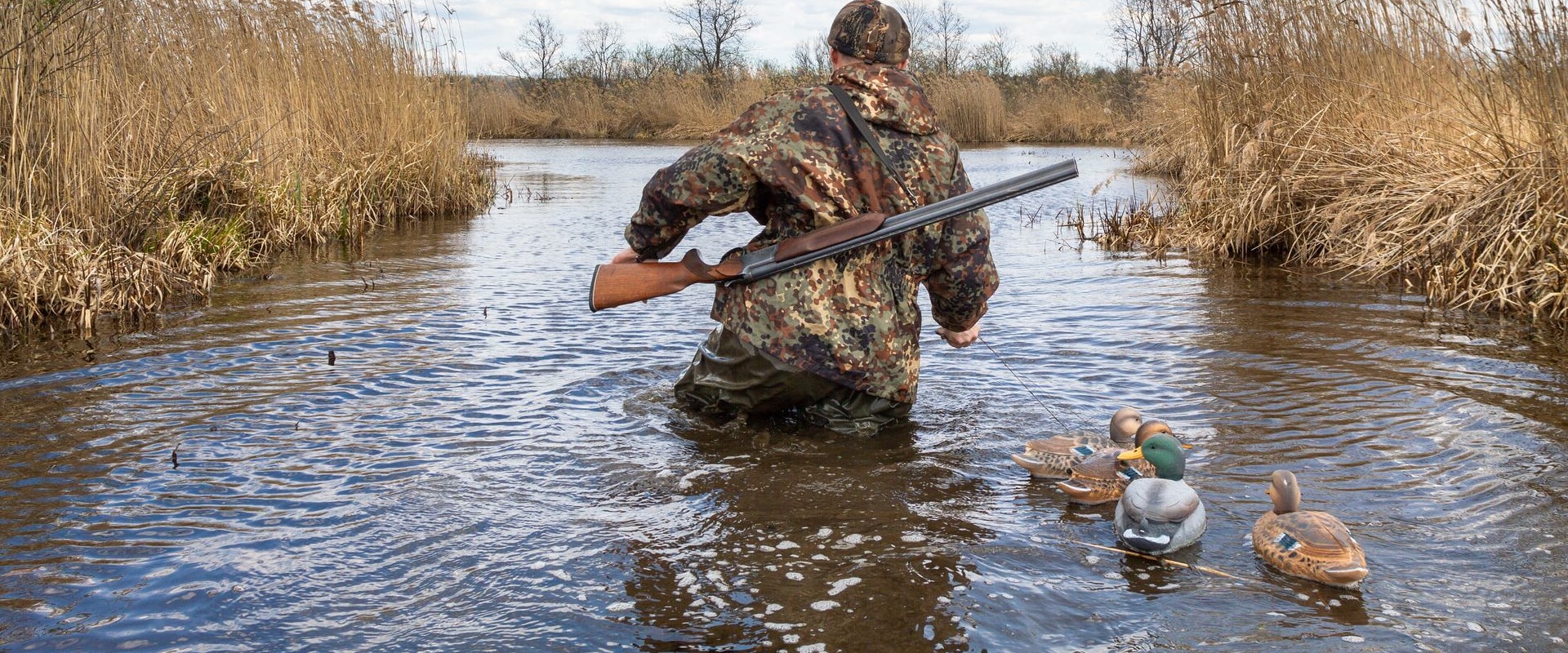
Texas is renowned for its diverse landscapes and abundant wildlife, making it a prime destination for duck hunting. With its vast wetlands, lakes, and rivers, the state offers a rich habitat for various duck species, attracting both seasoned hunters and newcomers alike. The thrill of the hunt, combined with the camaraderie of fellow enthusiasts, creates an experience that is both exhilarating and rewarding. For non-residents, the allure of Texas duck hunting is particularly strong. Many out-of-state hunters travel to Texas each year to take advantage of its generous hunting seasons and plentiful game.
However, before embarking on this adventure, it is crucial to understand the specific hunting regulations in Texas. These regulations not only ensure sustainable practices but also help maintain the integrity of the sport. This article will delve into the essential requirements for non-residents looking to hunt ducks in Texas, including licensing, permits, and any special considerations that may apply. By understanding these guidelines, hunters can fully enjoy their experience while respecting the natural resources that make Texas a premier hunting destination.
Overview of Texas Duck Hunting Regulations
Texas is renowned for its diverse waterfowl population, making it a prime destination for duck hunting. However, understanding the Texas duck hunting regulations is crucial for both residents and non-residents looking to partake in this popular outdoor activity.To legally hunt ducks in Texas, hunters must obtain a valid hunting license.For non-residents, this means purchasing a non-resident hunting license, which can be obtained online or at designated retailers. Additionally, all hunters are required to have a Federal Duck Stamp, which supports wetland conservation efforts and is mandatory for anyone aged 16 and older who hunts migratory waterfowl.
Licensing Requirements
- Non-Resident Hunting License: Non-residents must purchase this license to hunt in Texas.
- Federal Duck Stamp: Required for all hunters aged 16 and older.
- State Waterfowl Stamp: This stamp is also necessary for hunting ducks and geese in Texas.
- Season Dates: The duck hunting season typically runs from late September through January, but exact dates can vary each year.
- Bag Limits: Hunters are subject to daily bag limits, which dictate the number of ducks that can be harvested per day. These limits can vary based on species.
- Hunting Methods: Only certain methods of hunting are permitted, including the use of shotguns and non-toxic shot.
The Texas Parks and Wildlife Department provides up-to-date information on regulations, season dates, and any special rules that may apply to specific areas within the state.By understanding and following these regulations, non-residents can enjoy a successful and responsible duck hunting experience in the beautiful landscapes of Texas.
Licensing Requirements for Non-Residents
For non-residents interested in Texas duck hunting, understanding the licensing requirements is crucial to ensure a smooth and legal hunting experience. Non-residents must obtain a non-resident hunting license before they can hunt ducks in Texas.How to Get a Hunting License in Texas
- Visit the Texas Parks and Wildlife Department (TPWD) website.
- Navigate to the licensing section where you can find information specifically for non-residents.
- Select the appropriate license type, which for non-residents is typically the Non-Resident Hunting License.
- Complete the online application form or download a paper application to submit by mail.
- Pay the required fees, which vary based on the type of license and duration.
Texas Hunting Permits
In addition to the non-resident hunting license, non-residents planning to hunt ducks must also acquire a Federal Duck Stamp. This stamp is mandatory for all waterfowl hunters and can be purchased through the U.S. Postal Service or online.
The current fee for the Federal Duck Stamp is $25.It’s important to note that all hunters, regardless of residency, must comply with Texas hunting regulations, including bag limits and hunting seasons. Familiarizing yourself with these rules will enhance your experience and ensure conservation efforts are respected.In summary, obtaining a non-resident hunting license in Texas involves applying through the TPWD, paying applicable fees, and securing necessary permits like the Federal Duck Stamp. By following these steps, you can enjoy a rewarding duck hunting experience in the Lone Star State.
Hunting Seasons and Bag Limits
Understanding the hunting seasons and bag limits for ducks in Texas is crucial for both residents and non-residents looking to participate in Texas duck hunting. The state has established specific dates and regulations to ensure sustainable hunting practices.Texas Duck Hunting Seasons
The general waterfowl season in Texas typically runs from late November through early January, but exact dates can vary by region.Here’s a breakdown of the main seasons:
- Early Teal Season: Usually begins in mid-September and lasts for 16 days.
- Regular Duck Season: Generally opens in late November and closes in early January, with specific dates varying by zone.
- Late Season: Some areas may have an extended season for certain species, so it’s essential to check local regulations.
Bag Limits for Texas Ducks
The bag limits are designed to promote responsible hunting and conservation. For the regular duck season, the daily bag limit is typically:- 6 ducks per day: This includes a mix of species such as mallards, pintails, and wood ducks.
- Species Restrictions: There are specific limits on certain species; for example, only 2 mallards (of which only 1 can be a hen) are allowed per day.
- Possession Limit: After a successful hunt, hunters can possess up to three times the daily bag limit.
Public vs. Private Hunting Lands
When it comes to Texas duck hunting, understanding the differences between public and private hunting lands is crucial for both novice and experienced hunters.Each option has its own set of advantages and challenges, making it essential to choose the right one based on your preferences and hunting goals.
Public Duck Hunting Lands in Texas
Texas offers a variety of public duck hunting lands, including state parks, wildlife management areas (WMAs), and national wildlife refuges. These areas are accessible to all hunters, but they often come with specific regulations and seasonal restrictions. Some popular public hunting spots include:- Attwater Prairie Chicken National Wildlife Refuge
- Lake Livingston State Park
- J.D. Murphree Wildlife Management Area
Arriving early and scouting the area beforehand can significantly improve your chances of success.
Private Hunting Leases in Texas
On the other hand, private hunting leases in Texas offer a more exclusive experience. These lands are typically managed for optimal wildlife habitat and can provide better access to prime hunting spots. Leasing private land often requires a fee, which can vary widely depending on the location and amenities offered. Here are some benefits of choosing private leases:- Less competition from other hunters
- Better management of duck populations
- Access to amenities such as lodges or guides
Finding Good Hunting Spots
No matter which option you choose, finding good hunting spots is key to a successful outing.Utilize online resources, local hunting forums, and social media groups dedicated to Texas duck hunting. Networking with other hunters can also provide valuable insights into where to hunt ducks in Texas.In summary, both public and private lands have their unique advantages for duck hunting in Texas. By weighing your options carefully and preparing adequately, you can enhance your chances of a rewarding hunting experience.
Safety and Ethical Hunting Practices
When engaging in Texas duck hunting, safety and ethical practices are paramount to ensure a positive experience for both hunters and wildlife. Understanding and adhering to these guidelines not only protects you but also promotes responsible hunting within the community.Hunting Safety Tips in Texas
- Wear Appropriate Gear: Always wear a life jacket when hunting from a boat and ensure that your clothing is suitable for the weather conditions.
- Use Proper Firearm Safety: Treat every firearm as if it is loaded.
Keep the muzzle pointed in a safe direction and your finger off the trigger until ready to shoot.
- Be Aware of Your Surroundings: Always identify your target and what lies beyond it. This is crucial in preventing accidents.
- Hunt with a Partner: It’s safer to hunt with someone else. In case of an emergency, having a partner can be invaluable.
- Follow Local Regulations: Familiarize yourself with Texas hunting laws, including designated hunting areas, seasons, and bag limits.
Ethical Hunting Practices
Ethical hunting goes beyond just following the law; it involves respecting wildlife and the environment. Here are some key practices to consider:- Practice Fair Chase: Ensure that you are giving ducks a fair chance to escape.
Avoid using bait or other methods that would give you an unfair advantage.
- Aim for Clean Shots: Only take shots that you are confident will result in a quick, humane kill. This minimizes suffering for the animal.
- Respect Wildlife Habitats: Stay on designated paths and avoid disturbing nesting areas or sensitive habitats.
- Report Violations: If you witness illegal activities or unethical behavior, report it to local authorities to help protect wildlife resources.
Frequently Asked Questions about Non-Resident Duck Hunting in Texas
When considering non-resident duck hunting in Texas, many hunters have specific questions that can help them prepare for a successful trip. Below are some of the most frequently asked questions regarding this topic.- Do non-residents need a special license to hunt ducks in Texas?
Yes, non-residents must obtain a Texas hunting license and a Federal Duck Stamp to legally hunt ducks in the state.The license can be purchased online or at designated retailers.
- What are the hunting seasons for ducks in Texas?
The duck hunting season typically runs from late September through late January, but specific dates can vary each year. It’s essential to check the Texas Parks and Wildlife Department website for the most current information. - Are there specific regulations for non-residents?
While non-residents follow the same regulations as residents, they should be aware of any additional rules that may apply to certain areas or types of waterfowl. Always consult local guidelines before heading out. - Can I hunt on public land as a non-resident?
Yes, non-residents can hunt on public lands in Texas, but it’s crucial to familiarize yourself with the specific areas where hunting is permitted. Some public lands may have restrictions or require reservations. - What types of ducks can I expect to hunt in Texas?
Texas is home to a variety of duck species, including mallards, gadwalls, widgeons, and teal.The diversity of habitats across the state attracts numerous migratory birds, making it an excellent destination for duck hunters.
Conclusion: Key Takeaways for Non-Residents Interested in Duck Hunting in Texas
In summary, non-residents interested in Texas duck hunting should be aware of several key factors that can enhance their experience. First and foremost, understanding the legal requirements is crucial. Non-residents must obtain a valid Texas hunting license and a federal duck stamp to hunt legally. This ensures compliance with state and federal regulations, which are designed to protect wildlife and maintain sustainable hunting practices.Additionally, it is important to familiarize yourself with the hunting seasons and bag limits specific to Texas.The state offers a variety of hunting opportunities, with different seasons for various species of ducks. Knowing these details will help you plan your trip effectively and maximize your chances of a successful hunt.
Choosing the Right Location
Texas is home to numerous prime hunting locations, ranging from coastal marshes to inland lakes. Researching these areas can provide insights into where the best duck populations are found. Popular regions include the Central Flyway, which attracts migratory birds, making it an ideal spot for non-residents.Guided Hunts vs.
DIYFor those new to duck hunting, considering a guided hunt can be beneficial. Experienced guides not only provide access to prime locations but also offer valuable knowledge about local regulations and hunting techniques. Alternatively, seasoned hunters may prefer a do-it-yourself approach, which allows for greater flexibility and personal experience.Finally, connecting with local hunting communities or forums can provide additional insights and tips from fellow hunters. Engaging with others who share your passion can enhance your understanding of Texas duck hunting and help you make the most of your adventure.In conclusion, non-residents can enjoy a rewarding duck hunting experience in Texas by adhering to legal requirements, understanding local regulations, choosing the right locations, and considering guided options when necessary.
With proper preparation and respect for the environment, your Texas duck hunting trip can be both enjoyable and successful.