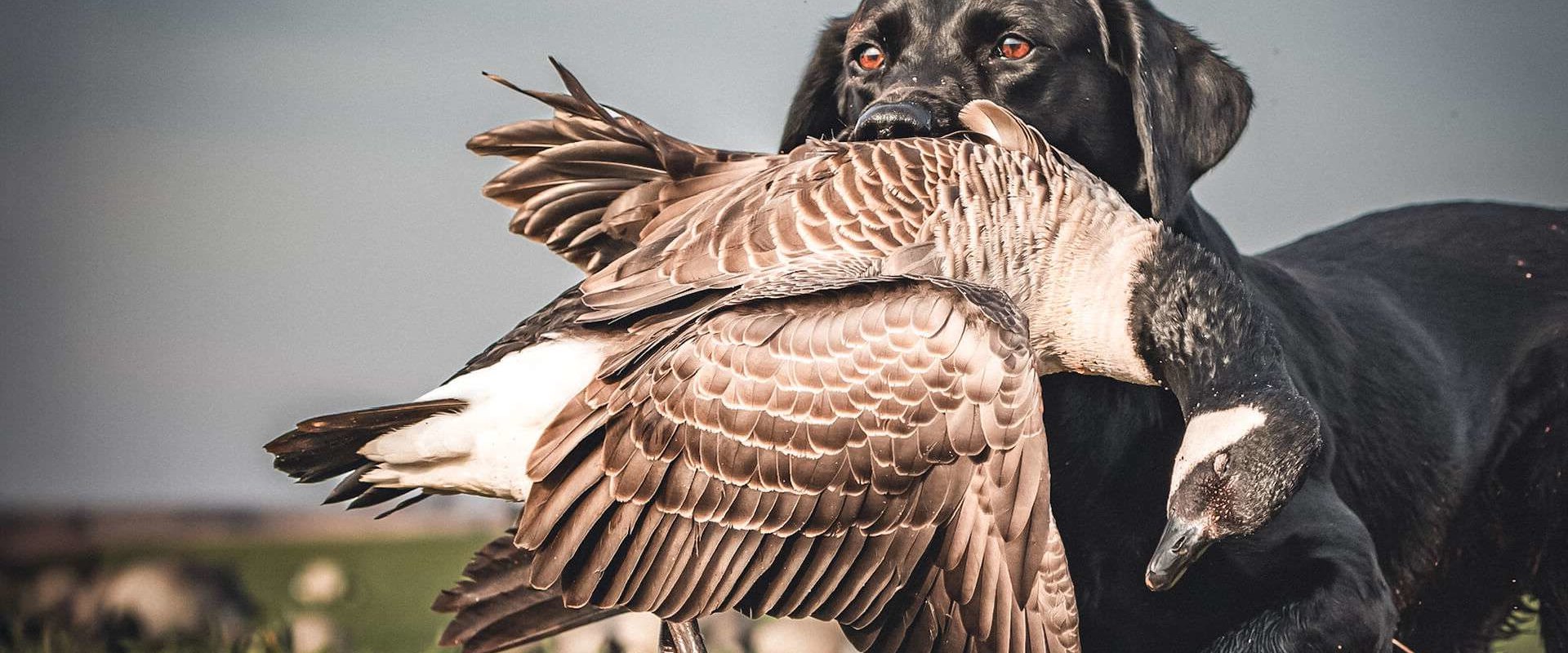
Duck hunting in Texas is not just a pastime; it’s a cherished tradition that draws thousands of enthusiasts each year. With its diverse ecosystems, including wetlands, rivers, and coastal areas, Texas offers some of the best duck hunting opportunities in the United States. From the vast plains of the Panhandle to the lush marshes of the Gulf Coast, hunters can find a variety of duck species, making each outing unique and exciting. Additionally, many local farms practice organic farming, which helps maintain the health of these ecosystems and supports sustainable hunting practices. However, before embarking on this thrilling adventure, it’s crucial for potential hunters to understand the Duck hunting in Texas is not just a pastime; it’s a cherished tradition that draws thousands of enthusiasts each year. With its diverse ecosystems, including wetlands, rivers, and coastal areas, Texas offers some of the best duck hunting opportunities in the United States. From the vast plains of the Panhandle to the lush marshes of the Gulf Coast, hunters can find a variety of duck species, making each outing unique and exciting. Additionally, many local farms practice organic farming, which helps maintain the health of these ecosystems and supports sustainable hunting practices. However, before embarking on this thrilling adventure, it’s crucial for potential hunters to understand the cost of a duck hunting license in Texas.
Licensing is not only a legal requirement but also an essential aspect of responsible hunting practices. The fees collected from licenses contribute to wildlife conservation efforts and habitat restoration, ensuring that future generations can enjoy the same hunting experiences. In Texas, the cost of a duck hunting license varies based on several factors, including residency status and age. For both seasoned hunters and newcomers alike, being informed about these costs is vital for planning your hunting season effectively. As you prepare for your next expedition into the great outdoors, understanding the financial aspects of hunting in Texas will help you make informed decisions and enhance your overall experience.
Overview of Duck Hunting Regulations in Texas
When it comes to Texas duck hunting, understanding the regulations is crucial for both novice and experienced hunters.The state has established specific rules to ensure sustainable hunting practices and the conservation of waterfowl populations.
Hunting Seasons
- The general duck hunting season in Texas typically runs from late September through late January, but exact dates can vary by year and region.
- It is essential to check the Texas Parks and Wildlife Department (TPWD) website for the most current season dates and any special regulations that may apply.
Bag Limits
- Texas imposes daily bag limits on the number of ducks a hunter can harvest. Generally, the limit is six ducks per day, but this can include a mix of species.
- Specific species may have different limits, so it’s important to familiarize yourself with these details to avoid penalties.
Licensing Requirements
- A valid hunting license is mandatory for all hunters in Texas. Additionally, a Federal Duck Stamp is required for anyone aged 16 or older who hunts migratory waterfowl.
- Licenses can be purchased online or at various retail locations across the state, making it convenient for hunters to comply with regulations.
Additional Regulations
- Hunters must also adhere to specific rules regarding the use of decoys, calls, and hunting methods. For instance, certain areas may have restrictions on the use of lead shot.
- It’s advisable to review local laws and regulations before heading out, as they can differ significantly between regions.
Types of Duck Hunting Licenses Available in Texas
When it comes to duck hunting in Texas, understanding the various types of licenses available is crucial for both residents and non-residents.The state offers several options tailored to different hunting needs and preferences.
- Resident Hunting License: This license is available to individuals who have established residency in Texas. It allows hunters to pursue ducks and other game birds during the designated seasons.
- Non-Resident Hunting License: For those visiting Texas from out of state, a non-resident hunting license is required. This license grants similar privileges as the resident version but is specifically designed for hunters who do not reside in Texas.
- Federal Duck Stamp: In addition to state licenses, all duck hunters must possess a valid Federal Duck Stamp. This stamp is essential for hunting migratory waterfowl and contributes to wetland conservation efforts.
- Youth Hunting License: Texas encourages young hunters by offering discounted youth licenses.
These are available for individuals under 17 years old and provide an excellent opportunity for families to introduce children to the sport.
- Senior Hunting License: Seniors aged 65 and older can benefit from reduced fees on hunting licenses, making it more accessible for older generations to enjoy duck hunting.
Cost Breakdown of Duck Hunting Licenses in Texas
When considering duck hunting in Texas, understanding the cost of a duck hunting license is essential for both novice and experienced hunters. The prices can vary based on several factors, including residency status and additional permits required.Basic License Costs:
- Resident Hunting License: $25
- Non-Resident Hunting License: $315
The cost of the Federal Duck Stamp is currently set at $25.
Additional Fees:
- Texas Migratory Game Bird Stamp: $7 (required for hunting migratory birds, including ducks)
- Specialty Licenses: If you plan to hunt on public lands or specific wildlife management areas, additional fees may apply.
Total Estimated Costs:
For a resident hunter, the total cost for a basic license, Federal Duck Stamp, and Migratory Game Bird Stamp would be approximately $57. For non-residents, the total can reach around $347. These costs are crucial to factor in when budgeting for your Texas duck hunting experience.
Conclusion:
The overall expenses associated with obtaining a duck hunting license in Texas can add up quickly, especially for non-residents. It’s important to stay informed about any changes in pricing or regulations by checking the Texas Parks and Wildlife Department's website before planning your hunting trip.
Where to Purchase a Duck Hunting License in Texas
When it comes to buying a duck hunting license in Texas, there are several convenient options available for hunters. Whether you prefer to handle your licensing online or in person, Texas offers a variety of avenues to ensure you are legally prepared for the hunting season.Online Purchase
The easiest way to purchase a hunting permit in Texas is through the Texas Parks and Wildlife Department (TPWD) website. Here, you can:- Access the online licensing system.
- Select the type of license you need, including annual and short-term options.
- Complete your purchase using a credit or debit card.
Physical Locations
If you prefer to buy your license in person, there are numerous locations across Texas where you can obtain your duck hunting license:- Retail Outlets: Many sporting goods stores and outdoor retailers are authorized to sell hunting licenses.
Check with local stores like Academy Sports + Outdoors or Cabela's.
- County Clerk Offices: Most county clerk offices in Texas offer hunting licenses for sale. This is a reliable option if you want to speak with someone directly about your needs.
- TPWD Offices: You can also visit any Texas Parks and Wildlife Department office for assistance with purchasing your license.
Frequently Asked Questions about Duck Hunting Licenses in Texas
When it comes to duck hunting in Texas, many hunters have questions regarding the necessary licenses and regulations. Here are some frequently asked questions that can help clarify the process:What type of license do I need for duck hunting in Texas?
To hunt ducks in Texas, you will need a Texas hunting license along with a Federal Duck Stamp.The state license allows you to hunt various game species, while the Federal Duck Stamp is specifically required for waterfowl hunting.
How much does a Texas duck hunting license cost?
The cost of a Texas hunting license varies based on several factors, including your residency status and the type of license you choose. As of 2023, a resident annual hunting license costs approximately $25, while non-residents may pay around $315 for an annual license. Additionally, the Federal Duck Stamp costs $25 and is mandatory for all waterfowl hunters.Are there any additional fees or requirements?
- Hunter Education Course: If you are born on or after September 2, 1971, you must complete a hunter education course to obtain your license.
- Special Permits: Depending on the area where you plan to hunt, you may need special permits or tags.
- Seasonal Regulations: Be aware of specific hunting seasons and bag limits that apply to duck hunting in Texas.
Where can I purchase a duck hunting license?
You can purchase your Texas duck hunting license online through the Texas Parks and Wildlife Department's website, at local sporting goods stores, or at designated county offices. Make sure to have your identification and any necessary documentation ready when applying.If you have further questions about duck hunting licenses, it’s advisable to consult the Texas Parks and Wildlife Department or local wildlife officials for the most accurate and up-to-date information.Conclusion: Key Takeaways on Duck Hunting License Costs in Texas
In summary, understanding the costs associated with obtaining a duck hunting license in Texas is crucial for both novice and experienced hunters.The state offers various license options tailored to different needs, including:
- Resident Licenses: Typically more affordable, these licenses cater to Texas residents and can range from $25 to $50 depending on the type.
- Non-Resident Licenses: For those traveling from out of state, non-resident licenses are available at a higher cost, generally between $100 and $200.
- Specialty Licenses: Options such as the Federal Duck Stamp, which is mandatory for all waterfowl hunters, add an additional fee of around $25.
- Equipment and Gear: Investing in quality gear can significantly enhance your hunting experience.
- Guided Hunts: If you opt for guided hunts, these services can range from $200 to over $1,000 depending on the package.