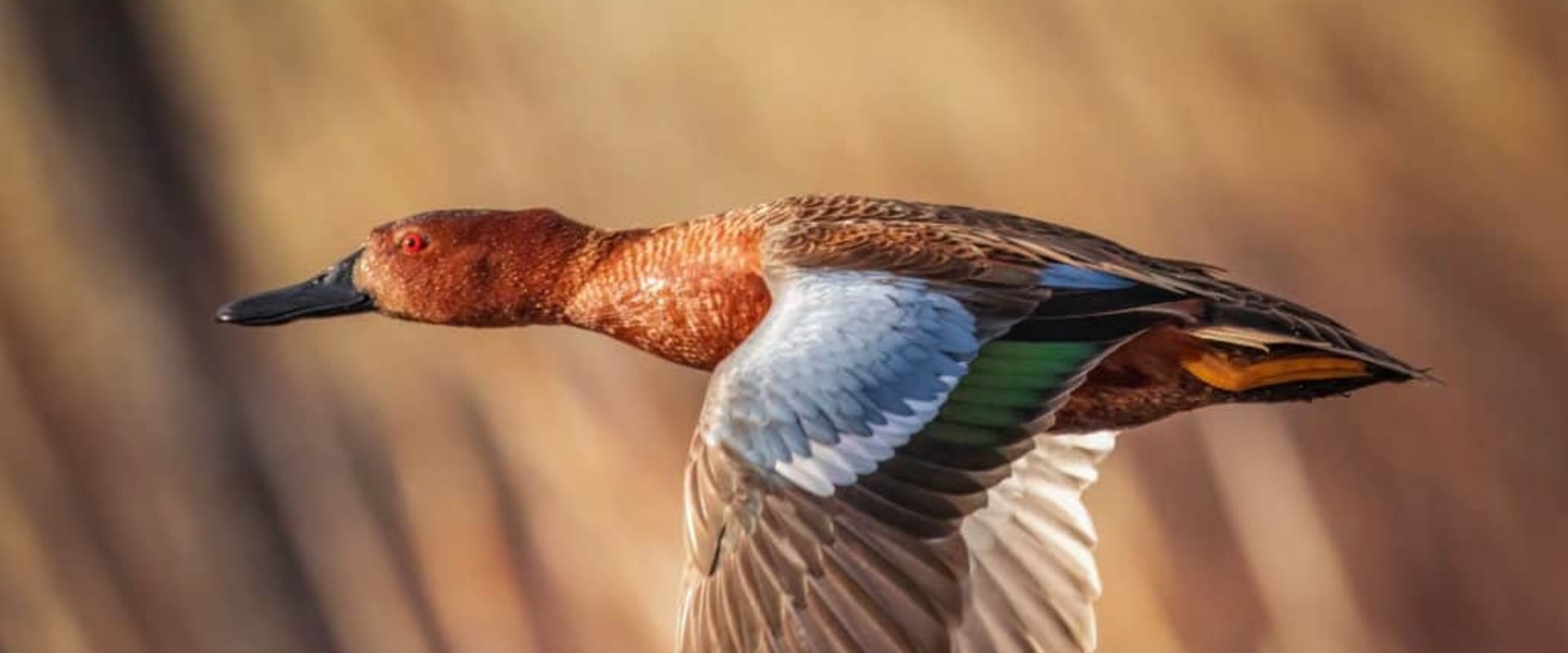
Texas is renowned for its diverse wildlife and expansive landscapes, making it a prime destination for duck hunting enthusiasts. However, with great opportunity comes the responsibility of adhering to specific duck hunting regulations. Understanding these regulations, particularly the daily limits for each species of duck, is crucial for both conservation efforts and ensuring a sustainable hunting experience. The daily limits are designed to protect duck populations while allowing hunters to enjoy their passion. In Texas, these limits can vary based on the species of duck being hunted, as well as the time of year.
For instance, certain species may have stricter limits due to their population status, while others may allow for a more generous take. This variability underscores the importance of staying informed about current regulations before heading out into the field. Moreover, responsible hunting practices not only contribute to the health of duck populations but also enhance the overall experience for hunters. By familiarizing themselves with the daily limits and other regulations, hunters can ensure they are participating in a sport that respects wildlife and promotes ecological balance. As we delve deeper into the specifics of daily limits for ducks in Texas, it becomes clear that knowledge is not just power; it is essential for preserving the rich hunting traditions that Texas has to offer.
Overview of Duck Species in Texas
Texas is home to a diverse array of duck species, making it a prime location for duck hunting.Understanding the different types of ducks found in the state is essential for hunters, as each species has its own unique characteristics and regulations.Among the most common ducks in Texas, you will find:
- Mallard : Easily recognizable by their vibrant green heads and distinctive quack, Mallards are one of the most abundant and popular species for hunters.
- Gadwall : These ducks are known for their subtle plumage and are often found in freshwater habitats. They are less flashy than Mallards but are equally sought after.
- Pintail : With their long necks and pointed tails, Pintails are graceful flyers and are often seen in open wetlands.
- Wood Duck : Known for their striking colors and unique nesting habits, Wood Ducks prefer wooded swamps and are a favorite among wildlife enthusiasts.
- Teal : This group includes several species, such as the Blue-winged Teal and Green-winged Teal, which are smaller and fast-flying, making them a challenging target for hunters.
Daily Limits for Each Duck Species
When it comes to Texas duck hunting, understanding the daily limits for each species is crucial for compliance and conservation.The Texas Parks and Wildlife Department (TPWD) sets specific bag limits that can vary based on the species of duck, hunting zones, and the time of year. Below is a detailed breakdown of the daily limits for common duck species found in Texas.
- Mallard: 2 (only 1 can be a hen)
- Pintail: 1
- Wood Duck: 2
- Gadwall: 3
- Teal (including Blue-winged and Green-winged): 6 (in any combination)
- Canvasback: 1
- Redhead: 2
- Scaup: 2 (note that this limit may change based on annual regulations)
- Dabbling Ducks (other species): 4 in total, with no more than 2 being Mallards or 1 being a hen Mallard)
It’s essential for hunters to familiarize themselves with these zones to ensure they are abiding by the correct rules.In summary, knowing the daily limits for each duck species not only helps in adhering to legal requirements but also plays a vital role in sustainable hunting practices. Always consult the TPWD website or local regulations before heading out to hunt.
Hunting Seasons and Regulations
Understanding the hunting seasons and regulations for ducks in Texas is crucial for any waterfowl enthusiast. The Texas Parks and Wildlife Department (TPWD) sets specific dates each year for duck hunting, which typically align with the federal guidelines for migratory birds.Texas Duck Hunting Seasons
- Early Teal Season: This season usually opens in mid-September and lasts for 16 days, allowing hunters to target blue-winged and green-winged teal.
- Regular Duck Season: The regular season generally begins in late November and runs through late January. This period is divided into two segments, with a split in December.
- Special Youth and Veteran Days: TPWD also designates specific days for youth and veterans to hunt, providing an opportunity for mentorship and community engagement.
Hunting Regulations in Texas
To ensure a sustainable hunting experience, Texas has established several hunting regulations that must be adhered to:
- Daily Bag Limit: Hunters are allowed a daily bag limit of six ducks, which can include a mix of species such as mallards, pintails, and wood ducks.
However, there are specific limits on certain species; for example, only two can be mallards (drakes only) per day.
- Possession Limit: The possession limit is three times the daily bag limit, meaning hunters can have up to 18 ducks in their possession after a successful hunt.
- Hunting Hours: Legal hunting hours are from half an hour before sunrise to sunset. It’s essential to check local sunrise times as they vary throughout the season.
- Licenses and Permits: All hunters must possess a valid Texas hunting license along with a federal duck stamp. Additionally, a migratory game bird endorsement is required.
Best Practices for Ethical Duck Hunting
Engaging in ethical duck hunting is essential for maintaining the delicate balance of wildlife populations and their habitats.As a responsible hunter, it is crucial to adopt practices that not only enhance your experience but also contribute to the conservation of duck species.
Understanding Conservation Efforts
Conservation is at the heart of ethical hunting. By participating in programs that support wetland restoration and habitat protection, hunters can play a vital role in ensuring that duck populations remain healthy. Organizations such as Ducks Unlimited work tirelessly to conserve and restore wetlands, which are critical for the survival of many duck species.Responsible Hunting Tips
- Know the Regulations: Familiarize yourself with Texas hunting regulations, including daily limits and seasonal restrictions. Adhering to these rules helps protect duck populations.
- Practice Selective Harvesting: Aim to harvest only mature ducks and avoid shooting at flocks unless necessary.
This practice allows younger birds to grow and contribute to future populations.
- Utilize Non-Toxic Shot: Using non-toxic ammunition reduces lead poisoning risks for both ducks and other wildlife, promoting a healthier ecosystem.
- Respect Wildlife: Always maintain a safe distance from nesting areas and avoid disturbing habitats. This respect ensures that ducks can thrive in their natural environments.
Frequently Asked Questions about Duck Hunting in Texas
Duck hunting in Texas is a popular activity, attracting both seasoned hunters and newcomers alike. Here are some frequently asked questions that can help you navigate the regulations and best practices for a successful hunt.What is the daily limit for each species of duck in Texas?
The daily bag limits for ducks in Texas can vary by species and season.Generally, the limit is six ducks per day, which can include a mix of different species. However, specific limits apply to certain types of ducks:
- Mallards: No more than 2 can be mallards, and only 1 can be a hen.
- Pintails: The limit is 1 pintail per day.
- Wood Ducks: You can take up to 2 wood ducks.
- Canvasbacks: The limit is 1 canvasback per day.
What are some tips for successful duck hunting in Texas?
Here are some essential tips to enhance your duck hunting experience:- Scout Locations: Before the season starts, scout potential hunting areas to identify where ducks are congregating.
- Use Decoys: Employ realistic decoys to attract ducks. The right setup can make a significant difference in your success rate.
- Be Patient: Ducks may not come immediately. Stay quiet and patient while waiting for them to approach.
- Know the Weather: Weather conditions greatly affect duck behavior.
Overcast days often yield better results than sunny ones.
Conclusion: Key Takeaways on Duck Limits and Hunting Ethics
In summary, understanding the daily limits for each species of duck in Texas is crucial for both conservation efforts and responsible Texas duck hunting. The state has established specific regulations that not only protect the diverse duck populations but also ensure a sustainable hunting experience for future generations.Here are the key takeaways regarding daily limits and ethical practices:- Species-Specific Limits: Each species of duck has its own daily bag limit, which hunters must adhere to. Familiarizing yourself with these limits is essential to avoid penalties and contribute to conservation.
- Seasonal Regulations: Daily limits can vary depending on the hunting season.
Always check the latest regulations from the Texas Parks and Wildlife Department before heading out.
- Ethical Hunting Practices: Beyond just following the law, ethical hunting involves respecting wildlife and their habitats. This includes not exceeding bag limits and ensuring a humane approach to hunting.
- Reporting and Compliance: Hunters are encouraged to report their harvests accurately. This data helps wildlife agencies manage populations effectively and adjust regulations as needed.