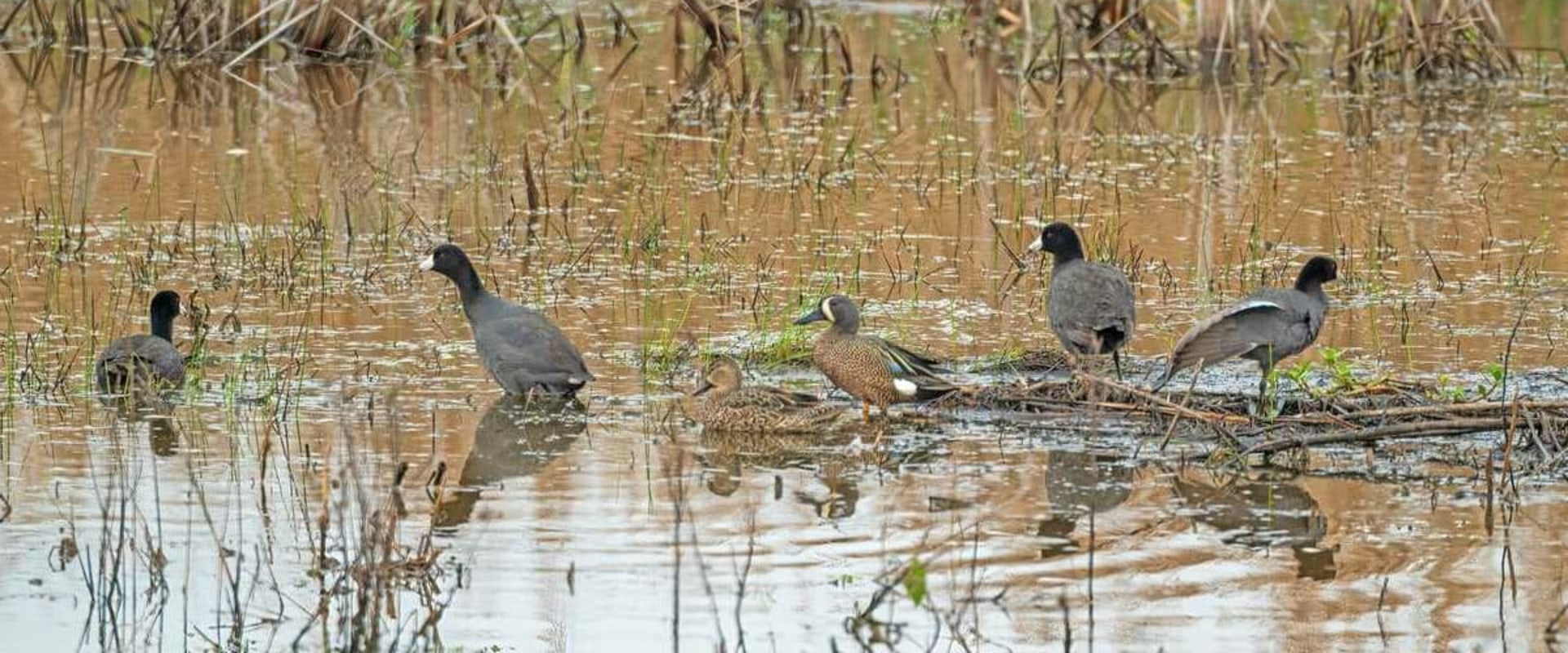
Texas is renowned for its diverse landscapes and rich wildlife, making it a prime destination for duck hunting. With its vast wetlands, lakes, and coastal regions, the state attracts both novice and seasoned hunters eager to experience the thrill of the hunt. However, as with any outdoor activity, understanding the local hunting regulations is crucial for a successful and responsible outing. The popularity of texas duck hunting is not just about the sport; it also plays a significant role in conservation efforts and wildlife management. Hunters contribute to maintaining healthy populations of waterfowl while enjoying the camaraderie that comes with this time-honored tradition.
Yet, with great opportunity comes great responsibility, and being aware of areas that may be off-limits is essential for every hunter. In Texas, certain regions are designated as protected zones or have specific regulations that restrict hunting activities. These restrictions are in place to ensure the sustainability of duck populations and to protect their habitats. As we delve deeper into this topic, we will explore which areas may be off-limits for duck hunting, helping you navigate the rules and enjoy your hunting experience to the fullest.
Overview of Duck Hunting Regulations in Texas
When it comes to Texas duck hunting, understanding the regulations is crucial for both novice and experienced hunters. The state has established a comprehensive set of rules to ensure sustainable hunting practices and the conservation of waterfowl populations.Licensing Requirements
- All hunters must possess a valid Texas hunting license.
- A Federal Duck Stamp is also required for anyone aged 16 or older who hunts migratory waterfowl.
- Additionally, hunters must complete a hunter education course if they were born on or after September 2, 1971.
Seasonal Restrictions
The duck hunting season in Texas typically runs from late September through January, but specific dates can vary by year and region.
It is essential to check the Texas Parks and Wildlife Department website for the most current information on season dates and bag limits.
Hunting Zones
Texas is divided into several hunting zones, each with its own set of regulations. These zones include:
- North Zone
- Central Zone
- South Zone
- Special Youth and Veteran Days
Waterfowl Hunting Rules
- The daily bag limit for ducks is generally six, with specific restrictions on certain species.
- Hunters must use non-toxic shot when hunting waterfowl.
- It is illegal to hunt ducks over baited areas or during closed seasons.
Designated Wildlife Management Areas (WMAs) and Their Restrictions
In Texas, Wildlife Management Areas (WMAs) play a crucial role in the conservation of wildlife and their habitats, including waterfowl.While these areas provide excellent opportunities for duck hunting, they also come with specific regulations and restrictions designed to protect both the environment and the species.Several WMAs in Texas have designated zones where duck hunting is either regulated or completely off-limits. Understanding these restrictions is essential for hunters looking to plan their trips effectively. Here are some notable WMAs with specific hunting regulations:
- J.D. Murphree WMA: This area is known for its rich biodiversity, but certain sections are closed to hunting during specific times of the year to allow for breeding and nesting.
- Matagorda Island WMA: While this WMA offers great opportunities for duck hunting, there are restrictions on hunting near sensitive habitats, particularly during migration seasons.
- Lake Livingston WMA: This area has designated no-hunting zones to protect local wildlife populations, especially during peak breeding periods.
- Conservation Efforts: Protecting nesting sites and migratory pathways is vital for maintaining healthy duck populations.
- Habitat Restoration: Some areas may be undergoing restoration projects that require temporary closures to hunting.
- Public Safety: Certain zones may be off-limits to ensure the safety of other recreational users, such as bird watchers and hikers.
By respecting these restrictions, hunters contribute to the sustainability of Texas's rich natural resources while enjoying their sport responsibly.
Private Lands and Access Restrictions
When it comes to Texas duck hunting, understanding the landscape of private lands is crucial. In Texas, a significant portion of the land is privately owned, which means that hunters must navigate access restrictions and obtain the necessary permissions before setting out to hunt.Private Land Duck Hunting in Texas
- Many prime hunting spots are located on private properties, often featuring the best habitats for ducks.
- Hunters are required to seek landowner permissions before hunting on these lands. This not only respects the rights of landowners but also fosters good relationships within the community.
Here are some common considerations:
- Written Permission: Many landowners require written permission to hunt on their property. This document should outline the terms of access and any specific rules that must be followed.
- Seasonal Restrictions: Some landowners may limit hunting to certain times of the year or specific days of the week to protect wildlife populations.
- Guided Hunts: In some cases, landowners may offer guided hunts, which can provide a structured experience but often come with a fee.
- Bag Limits: Adhering to state-mandated bag limits is essential, even on private property.
- Hunting Methods: Certain methods of hunting may be restricted or regulated, so it's important to familiarize yourself with these rules.
Urban Areas and Local Ordinances Affecting Duck Hunting
When considering Texas duck hunting, it's essential to recognize that not all areas are equally welcoming to hunters.Urban areas, in particular, often have specific local ordinances that can significantly impact hunting activities. These regulations are designed to ensure public safety and maintain the quality of life for residents.
Urban Duck Hunting Restrictions
- Prohibited Zones: Many cities in Texas have designated zones where hunting is completely prohibited. This includes parks, residential neighborhoods, and other populated areas.
- Noise Ordinances: Duck hunting can be noisy, especially with the use of calls and firearms. Some urban areas enforce strict noise ordinances that may limit hunting activities during certain hours.
- Firearm Regulations: In cities, there may be restrictions on the types of firearms that can be used for hunting.
For instance, some municipalities may only allow shotguns with specific gauges.
City Hunting Laws
- Permits: Some urban areas require hunters to obtain special permits before engaging in hunting activities.
- Seasonal Restrictions: Local laws may impose additional seasonal restrictions beyond state regulations, limiting when and where you can hunt.
- Safety Zones: Many cities establish safety zones around schools and hospitals where hunting is not allowed.
Environmental Protection Areas and Their Impact on Hunting
In Texas, environmental protection areas play a crucial role in maintaining the delicate balance of ecosystems that support diverse wildlife, including ducks.These areas are designated to conserve habitats and protect endangered species, which can directly impact duck hunting activities.Several types of protected lands exist in Texas, each with specific regulations that may restrict hunting:
- National Wildlife Refuges: These areas are established to protect migratory birds and their habitats. Hunting is often allowed, but specific regulations apply, including designated seasons and limits on the number of hunters.
- State Parks: Many state parks in Texas prohibit hunting altogether to preserve natural landscapes and wildlife. Hunters should check local regulations before planning a trip.
- Conservation Easements: These are agreements that restrict land use to protect natural resources. While some allow limited hunting, others may completely prohibit it to ensure the preservation of critical habitats.
For instance, during peak nesting seasons, hunting may be restricted to prevent disturbances that could affect duck populations.It is essential for hunters to stay informed about the specific regulations governing these protected lands. Ignoring these rules not only jeopardizes wildlife conservation efforts but can also lead to legal repercussions for hunters. Therefore, before heading out for a hunt, always consult the latest guidelines from the Texas Parks and Wildlife Department or local wildlife agencies.By respecting these environmental protection areas, hunters can contribute to the sustainability of duck populations and ensure that future generations can enjoy Texas duck hunting.
Frequently Asked Questions About Duck Hunting Restrictions in Texas
When it comes to Texas duck hunting, understanding the regulations and restrictions is crucial for a successful outing. Here are some frequently asked questions that can help clarify common concerns:- Are there specific areas in Texas where duck hunting is prohibited?
Yes, certain areas are off-limits for duck hunting, including state parks, wildlife refuges, and some urban zones.Always check local regulations before heading out.
- What are the hunting seasons for ducks in Texas?
The hunting season typically runs from late September through January, but specific dates can vary by region. Consult the Texas Parks and Wildlife Department for the most accurate information. - Do I need a special permit to hunt ducks in Texas?
While a standard hunting license is required, some areas may require additional permits or stamps, such as the Federal Duck Stamp. Make sure to have all necessary documentation before you hunt. - Can I hunt ducks on private property?
Yes, but you must have permission from the landowner. Additionally, be aware of any local ordinances that may apply. - What are the bag limits for duck hunting in Texas?
Bag limits can vary by species and season.Generally, hunters are allowed a daily limit of six ducks, but this can change based on regulations set by the Texas Parks and Wildlife Department.
Conclusion: Key Takeaways on Duck Hunting Regulations in Texas
In summary, understanding the regulations surrounding Texas duck hunting is crucial for both novice and experienced hunters. The state has established specific areas that are off-limits to ensure the conservation of wildlife and to promote safe hunting practices. Here are the key takeaways:- Designated Areas: Certain regions, such as state parks, wildlife refuges, and private lands without permission, are strictly off-limits for hunting. Always check local regulations before planning your hunt.
- Seasonal Restrictions: Duck hunting in Texas is subject to seasonal regulations that dictate when and where hunting can occur.
Familiarize yourself with these dates to avoid penalties.
- Licensing Requirements: A valid hunting license and appropriate stamps are mandatory for all hunters. Ensure you have the necessary documentation before heading out.
- Safety Regulations: Adhering to safety guidelines is not only a legal requirement but also essential for the well-being of all participants in the field.