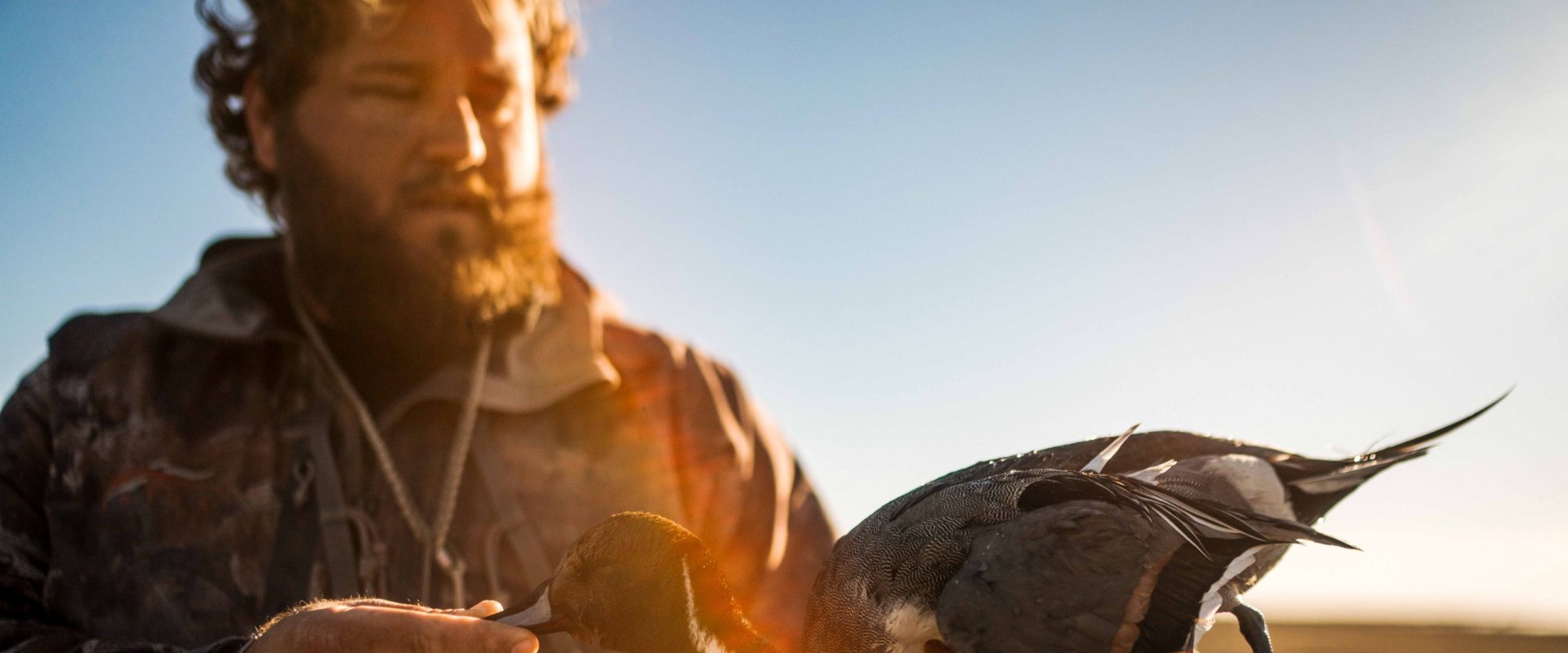
Understanding the Texas duck hunting seasons is crucial for any avid hunter looking to maximize their success in the field. Texas offers a diverse range of habitats that attract various duck species, making it a prime location for waterfowl hunting. The state is divided into different zones, each with its own specific hunting dates and regulations, which can vary significantly from one area to another. Familiarizing yourself with these details not only enhances your hunting experience but also ensures compliance with state laws. The duck hunting calendar in Texas typically runs from late September through January, with specific dates designated for different zones.
For instance, the North Zone generally opens earlier than the South Zone, allowing hunters to take advantage of migratory patterns. Additionally, the hunting regulations set forth by the Texas Parks and Wildlife Department dictate bag limits, shooting hours, and permissible hunting methods. Staying informed about these regulations is essential for ethical hunting practices and conservation efforts. As you prepare for the upcoming season, consider checking local resources and official websites for updates on any changes to the hunting calendar or regulations. This proactive approach will not only keep you informed but also enhance your scouting efforts as you plan your trips.
Understanding when and where to hunt can make all the difference in your success rate, so take the time to research and strategize accordingly.
Best Locations for Duck Scouting in Texas
When it comes to Texas duck hunting, knowing the best locations for scouting is essential for a successful outing. Texas offers a diverse range of habitats that attract various duck species, making it a prime destination for hunters. Here are some of the top locations to consider:- Coastal Marshes: The Texas Gulf Coast is renowned for its extensive marshlands, particularly in areas like Matagorda Bay and Galveston Bay. These regions provide rich feeding grounds for ducks, especially during migration seasons.
- Wetlands and Reservoirs: Places like Lake Texoma and Lake Livingston are excellent for scouting.
These large bodies of water attract a variety of waterfowl, making them ideal spots for both scouting and hunting.
- Public Wildlife Areas: The Texas Parks and Wildlife Department manages several wildlife management areas (WMAs) that are open to hunting. Locations such as J.D. Murphree WMA and Anahuac National Wildlife Refuge are known for their abundant duck populations.
- Agricultural Fields: Ducks often feed in flooded fields, especially during the winter months. Areas around The Texas Panhandle, where rice and corn fields are prevalent, can be great scouting spots.
Early morning or late afternoon are typically the best times to observe duck activity. Utilizing tools like aerial maps and local hunting forums can also provide insights into current duck movements. By focusing on these prime locations and staying informed about local conditions, hunters can significantly increase their chances of a successful duck hunting experience in Texas.
Techniques for Effective Duck Scouting
When it comes to Texas duck hunting, effective scouting is crucial for a successful outing. Here are some techniques that can enhance your scouting efforts:- Use Binoculars: A good pair of binoculars can help you spot ducks from a distance without disturbing them. Look for areas where ducks are congregating, such as ponds, lakes, and marshes.
Observing their behavior through binoculars allows you to assess their numbers and species without getting too close.
- Track Migration Patterns: Understanding the migration patterns of ducks is essential. In Texas, many species migrate south during the fall and return north in the spring. Keep an eye on weather changes and local reports to predict when ducks will be in your area. Resources like the U.S.
Fish and Wildlife Service can provide valuable insights into migration trends.
- Observe Feeding Habits: Ducks often feed in specific areas at certain times of the day. Spend time watching where they feed, as this can help you determine the best locations for hunting. Look for signs of feeding activity, such as disturbed vegetation or droppings.
- Utilize Technology: Modern technology can aid in scouting efforts. Apps that track weather conditions, water levels, and even duck sightings can provide real-time information that enhances your scouting strategy.
Consider using GPS devices to mark promising locations for future hunts.
- Understand Duck Behavior: Familiarize yourself with different duck species and their behaviors. Knowing when they are most active, their preferred habitats, and their flight patterns can significantly improve your chances of a successful hunt.
Utilizing Technology in Duck Scouting
In the modern age of Texas duck hunting, technology plays a pivotal role in enhancing scouting efforts. With the right tools, hunters can significantly improve their chances of locating prime duck habitats and understanding migratory patterns.Duck Hunting Apps
Several mobile applications are specifically designed for duck hunting.These apps provide real-time data on weather conditions, water levels, and even duck migration reports. Some popular options include:
- HuntWise: This app offers detailed maps, weather forecasts, and user-generated reports on duck sightings.
- OnX Hunt: Known for its GPS capabilities, this app allows hunters to mark locations, track their movements, and access land ownership information.
- DuckDuckGoose: A community-driven app that helps hunters share their experiences and tips on the best hunting spots.
GPS for Hunting
Utilizing GPS technology is another effective way to scout for ducks. A handheld GPS device or a smartphone with GPS capabilities can help you:- Track Locations: Mark your favorite hunting spots and keep track of where you’ve seen ducks in the past.
- Navigate Terrain: Use GPS to navigate through unfamiliar areas, ensuring you can access remote locations that may be less pressured by other hunters.
- Monitor Water Levels: Many GPS devices allow you to overlay maps that show water levels, which is crucial for finding areas where ducks are likely to congregate.
Understanding Duck Habitats and Behavior
Understanding the habitats and behaviors of ducks is crucial for successful Texas duck hunting.Ducks are highly adaptable birds, but they tend to favor specific environments that provide food, shelter, and safety.
Types of Duck Habitats in Texas
In Texas, you can find ducks in a variety of habitats:- Wetlands: These are prime locations for duck hunting. Marshes, swamps, and estuaries provide abundant food sources such as aquatic plants and invertebrates.
- Lakes and Ponds: Many species of ducks prefer larger bodies of water where they can dive for food or dabble on the surface.
- Rivers and Streams: Flowing water bodies attract certain duck species, especially during migration seasons.
- Agricultural Fields: Post-harvest fields can be a hotspot for ducks looking for leftover grains.
Understanding Duck Behavior
Ducks exhibit different behaviors based on the season:- Migratory Patterns: Many ducks migrate to Texas during the winter months. Understanding their migration routes can help hunters identify the best times to scout.
- Nesting Habits: In spring, female ducks seek out safe nesting sites near water sources. Knowing where these areas are can lead to successful scouting.
- Feeding Times: Ducks are most active during dawn and dusk.
Observing their feeding patterns can provide insights into where to set up your hunting spot.
Common Mistakes to Avoid When Scouting Ducks
When it comes to Texas duck hunting, scouting is a critical component of a successful hunt. However, many hunters make common mistakes that can hinder their efforts. Here are some pitfalls to avoid:- Ignoring Weather Conditions: Weather plays a significant role in duck behavior.
Failing to consider wind direction, temperature, and precipitation can lead to poor scouting results. Always check the forecast before heading out.
- Scouting at the Wrong Time: Timing is everything in duck hunting. Early morning and late afternoon are typically the best times to scout, as ducks are more active during these periods. Scouting during midday may yield fewer sightings.
- Overlooking Local Regulations: Each area in Texas may have specific regulations regarding hunting and scouting.
Not being aware of these can lead to legal issues and wasted time. Always familiarize yourself with local laws.
- Failing to Use Technology: In today’s digital age, utilizing tools like GPS and mobile apps can enhance your scouting efforts. Many hunters neglect these resources, which can provide valuable insights into duck movements and preferred habitats.
- Not Observing Other Wildlife: Ducks often share their habitat with other birds and wildlife. Ignoring the presence of other species can lead to missed opportunities.
Pay attention to where other birds are feeding or resting, as this can indicate where ducks might be found.
Frequently Asked Questions About Duck Scouting in Texas
When it comes to Texas duck hunting, many enthusiasts have questions about the best practices for scouting ducks. Here are some of the most frequently asked questions:- What is the best time to scout for ducks in Texas?
The ideal time to scout is early in the morning or late in the afternoon when ducks are most active. This is when you can observe their flight patterns and feeding habits. - How far in advance should I scout?
It’s recommended to start scouting at least a week before your planned hunt.This allows you to track changes in duck behavior and adjust your strategy accordingly.
- What areas should I focus on when scouting?
Look for areas with abundant food sources, such as wetlands, rice fields, and shallow lakes. Ducks are also attracted to places with cover, like reeds and tall grass. - Should I use technology for scouting?
Absolutely! Utilizing tools like GPS and mobile apps can help you mark locations where you see ducks and track their movements over time. - How can I tell if a spot is good for hunting?
A good hunting spot will show signs of duck activity, such as droppings, feathers, and tracks. Observing the number of ducks during your scouting trips will also give you an idea of the area's potential.