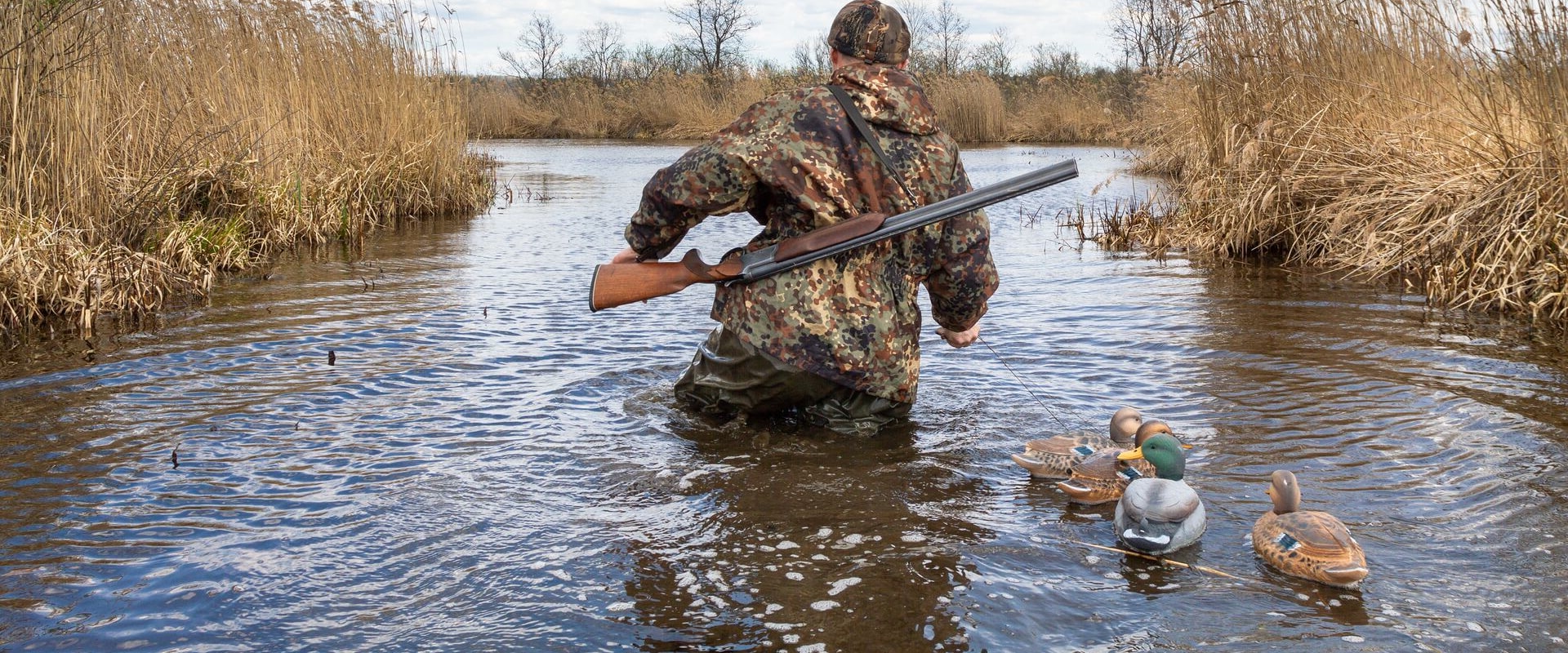
Duck hunting in Texas is not just a pastime; it’s a cherished tradition that draws thousands of enthusiasts each year. With its diverse ecosystems, from coastal marshes to sprawling wetlands, Texas offers some of the best duck hunting opportunities in the United States. As hunters prepare for the season, understanding the intricacies of duck hunting rules & regulations becomes crucial, especially when it comes to using decoys and calls. The use of Duck hunting in Texas is not just a pastime; it’s a cherished tradition that draws thousands of enthusiasts each year. With its diverse ecosystems, from coastal marshes to sprawling wetlands, Texas offers some of the best duck hunting opportunities in the United States. As hunters prepare for the season, understanding the intricacies of duck hunting rules & regulations becomes crucial, especially when it comes to using decoys and calls. The use of decoys and calls is integral to successful duck hunting, as they mimic the sounds and sights of real ducks, attracting them within shooting range. However, Texas has specific regulations governing their use to ensure ethical hunting practices and conservation efforts.
Familiarizing oneself with these rules not only enhances the hunting experience but also promotes responsible stewardship of wildlife. As we delve deeper into the regulations surrounding hunting with decoys and hunting with calls, it’s essential for both novice and seasoned hunters to stay informed. This knowledge not only helps in complying with state laws but also contributes to a more sustainable hunting environment. Join us as we explore the guidelines that shape the landscape of Texas duck hunting, ensuring that this beloved sport can be enjoyed for generations to come.
Overview of Duck Hunting Regulations in Texas
When it comes to Texas duck hunting, understanding the regulations is crucial for both novice and experienced hunters. The Texas Parks and Wildlife Department (TPWD) oversees the rules that govern waterfowl hunting, ensuring sustainable practices and conservation of wildlife.Licensing Requirements
- All hunters must possess a valid Texas hunting license.
- A Federal Duck Stamp is also required for anyone aged 16 or older who hunts migratory waterfowl.
- Additionally, a Texas Migratory Game Bird Stamp is necessary for hunting ducks, geese, and other migratory birds.
Season Dates
The duck hunting season in Texas typically runs from late September through late January, but specific dates can vary by year and region.
It’s essential to check the TPWD website for the most current information on season dates and any special regulations that may apply.
Bag Limits
Hunters should also be aware of the daily bag limits, which can differ based on the species of duck being hunted. For example, the limit for most species is generally six ducks per day, but this includes restrictions on certain types like canvasbacks or pintails.
Hunting Methods
While using decoys and calls is a common practice in Texas duck hunting, there are specific guidelines to follow:
- Decoys must be placed in a manner that does not obstruct other hunters or violate safety regulations.
- The use of electronic calls is prohibited; only manual calls are allowed.
- Hunters must ensure that their methods do not disturb protected species or violate any local wildlife laws.
Decoy Usage in Texas Duck Hunting
When it comes to Texas duck hunting, understanding the regulations surrounding decoy usage is crucial for a successful and legal hunting experience. The Texas Parks and Wildlife Department (TPWD) has established specific guidelines that hunters must follow to ensure compliance with state laws.Types of Decoys Allowed
- Floating Decoys: These are the most commonly used decoys in Texas. They mimic the appearance of live ducks on water, attracting real ducks to your hunting area.
- Field Decoys: Used primarily in agricultural settings, these decoys simulate ducks feeding in fields.
They are effective during migration periods.
- Motion Decoys: These include spinning wing decoys or other devices that create movement, making them particularly enticing to approaching ducks.
Regulations on Decoy Usage
While using decoys is generally permitted, there are some important regulations to keep in mind:
- No Electronic Calls: Hunters are prohibited from using electronic calls in conjunction with decoys. This rule is in place to maintain fair chase principles.
- Placement Restrictions: Decoys must be placed in a manner that does not interfere with other hunters or wildlife. Always be mindful of your surroundings and respect other hunting parties.
- Limit on Numbers: Although there is no specific limit on the number of decoys you can use, excessive numbers may lead to overcrowding and could potentially scare away ducks instead of attracting them.
Call Usage in Texas Duck Hunting
When it comes to Texas duck hunting, understanding the regulations surrounding the use of calls is crucial for both novice and experienced hunters.The Texas Parks and Wildlife Department (TPWD) has established specific guidelines to ensure ethical hunting practices and to protect waterfowl populations.
Call Regulations in Texas
- Hunters are allowed to use a variety of calls, including duck calls and goose calls, as long as they comply with state regulations.
- Electronic calls are permitted, but they must not be used in conjunction with any other hunting methods that are prohibited, such as baiting.
- It is illegal to use recorded calls or sounds that mimic the calls of ducks or geese during the hunting season.
Types of Calls Allowed
- Hand-held duck calls: These are the most common type of call used by hunters. They can be made from various materials, including wood, plastic, or acrylic.
- Goose calls: Similar to duck calls but designed specifically for attracting geese. They can also be hand-held and come in various styles.
- Electronic calls: While allowed, hunters should ensure they are familiar with the specific regulations regarding their use to avoid any legal issues.
Common Questions About Decoys and Calls in Texas Duck Hunting
When it comes to Texas duck hunting, many hunters have questions about the use of decoys and calls.Understanding the regulations and best practices can enhance your hunting experience and ensure compliance with state laws.
Are there restrictions on the types of decoys I can use?
In Texas, there are no specific restrictions on the types of decoys you can use for duck hunting. However, it is essential to ensure that your decoys are not made from materials that could be harmful to wildlife. Most hunters opt for plastic or foam decoys, which are lightweight and effective in attracting ducks.What about using electronic calls?
Electronic calls are a popular tool among hunters, but in Texas, their use is restricted. According to Texas Parks and Wildlife regulations, the use of electronic calls is prohibited during the regular duck hunting season.Hunters must rely on manual calls to attract ducks.
Can I use live decoys?
The use of live decoys is illegal in Texas. This regulation is in place to protect wildlife and maintain ethical hunting practices. Stick to artificial decoys that mimic the appearance and behavior of ducks.What are some tips for using calls effectively?
- Practice regularly: Familiarize yourself with different call sounds and techniques.
- Match the call to the species: Use species-specific calls to attract the right ducks.
- Be mindful of volume: Start softly and increase volume as needed; too loud can scare ducks away.
- Observe natural behavior: Pay attention to how ducks communicate in the wild and mimic those sounds.
Best Practices for Using Decoys and Calls Effectively
When it comes to Texas duck hunting, utilizing decoys and calls effectively can significantly enhance your chances of a successful hunt.Here are some best practices to consider:
- Choose the Right Decoys: Select decoys that mimic the species you are targeting. In Texas, common species include mallards, pintails, and teal. Ensure your decoys are realistic in color and size to attract ducks.
- Placement Matters: Position your decoys in a way that creates a natural look. Ducks tend to land into the wind, so arrange your decoys in a U-shape or J-pattern facing into the wind.
This setup not only looks inviting but also guides incoming ducks to your shooting zone.
- Use Motion: Adding movement to your spread can make it more enticing. Consider using spinning-wing decoys or jerk strings to simulate the motion of feeding ducks, which can draw in wary birds from a distance.
Effective Call Techniques
- Know Your Calls: Familiarize yourself with different types of calls such as quacks, whistles, and feeding calls. Each has its purpose; for instance, a loud quack can attract attention while soft whistles can reassure nearby ducks.
- Practice Makes Perfect: Spend time practicing your calling techniques before the season starts. The more natural and varied your calls sound, the more likely you are to convince ducks to come closer.
- Be Mindful of Volume: Adjust your calling volume based on the distance of the ducks.
If they are far away, use louder calls; as they approach, soften your calls to avoid spooking them.
Conclusion: Key Takeaways on Duck Hunting Regulations in Texas
In conclusion, understanding the regulations surrounding Texas duck hunting is crucial for both novice and experienced hunters. The use of decoys and calls can significantly enhance your hunting experience, but it is essential to be aware of the specific rules that govern their use. Here are the key takeaways regarding restrictions on decoys and calls:- Decoy Regulations: While there are no specific limits on the number of decoys you can use, hunters must ensure that their decoys are not made from materials that could be harmful to wildlife.
- Call Usage: Hunters are allowed to use various types of calls, including electronic calls, as long as they comply with state regulations. However, it is important to check for any local restrictions that may apply.
- Ethical Considerations: Beyond legal requirements, ethical hunting practices should guide your use of decoys and calls. Over-reliance on technology can detract from the skill and challenge of hunting.
- Seasonal Changes: Regulations may vary by season, so staying updated on any changes in laws or guidelines is vital for compliance.
Always consult the latest Texas Parks and Wildlife Department resources for the most current information before heading out into the field.