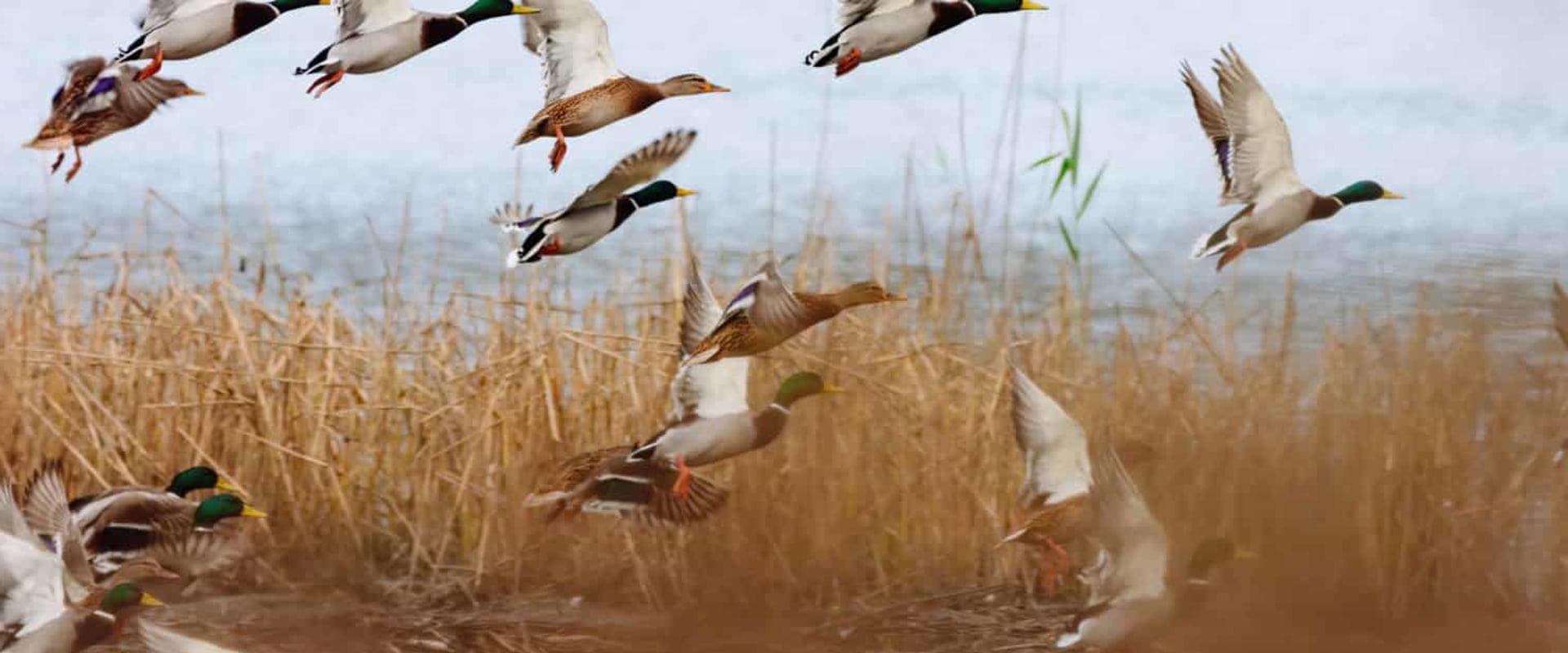
Texas is renowned for its diverse landscapes and rich wildlife, making it a prime destination for duck hunting. With its vast wetlands, lakes, and rivers, the state provides an ideal habitat for various duck species, attracting both seasoned hunters and newcomers alike. Additionally, those interested in observing the state's avian life can explore Birdwatching in Lubbock Texas A Guide to, which highlights the incredible bird species that thrive in these environments. The thrill of the hunt, combined with the camaraderie of fellow enthusiasts, creates an experience that is both exhilarating and rewarding. As one of the top states for . With its vast wetlands, lakes, and rivers, the state provides an ideal habitat for various duck species, attracting both seasoned hunters and newcomers alike. Additionally, those interested in observing the state's avian life can explore Birdwatching in Lubbock Texas A Guide to, which highlights the incredible bird species that thrive in these environments. The thrill of the hunt, combined with the camaraderie of fellow enthusiasts, creates an experience that is both exhilarating and rewarding. As one of the top states for hunting ducks in Texas, the region boasts a wide array of species that can be found throughout the hunting season.
From the strikingly beautiful Wood Duck to the robust Mallard, each species offers unique challenges and rewards for hunters. Understanding the different types of ducks available not only enhances the hunting experience but also fosters a deeper appreciation for Texas's rich avian biodiversity. In this article, we will delve into the various duck species that inhabit Texas waters, providing insights into their habitats, behaviors, and best practices for hunting them. Whether you are looking to bag your first duck or aiming to refine your skills, knowing what to expect can significantly enhance your success in the field. Join us as we explore the fascinating world of Texas duck hunting and discover what makes this state a premier destination for waterfowl enthusiasts.
Overview of Duck Species Found in Texas
Texas is a prime location for duck hunting, offering a diverse array of duck species that attract both seasoned hunters and wildlife enthusiasts.The state's varied habitats, from coastal marshes to inland lakes, provide ideal conditions for numerous waterfowl.Among the most common duck species in Texas, the following stand out:
- Mallard : Easily recognizable by their vibrant green heads and distinctive quack, Mallards are one of the most abundant ducks in Texas. They thrive in various environments, making them a favorite among hunters.
- Northern Pintail : Known for their elegant long necks and pointed tails, Northern Pintails are often found in open wetlands. Their graceful flight patterns make them a challenging target for hunters.
- American Black Duck : Similar in appearance to the Mallard but darker, American Black Ducks prefer wooded swamps and marshes. They are less common but highly sought after by avid duck hunters.
- Wood Duck : With their striking plumage and unique nesting habits, Wood Ducks are a favorite among bird watchers.
They inhabit wooded swamps and are often found near rivers and lakes.
- Canvasback : Recognized for their sloping foreheads and red eyes, Canvasbacks are diving ducks that prefer deeper waters. They are prized for their taste and are a sought-after catch during hunting season.
- Teal : This group includes several species such as the Blue-winged Teal and Green-winged Teal. Teals are small, fast-flying ducks that often inhabit shallow wetlands, making them popular targets during hunts.
Whether you are an experienced hunter or a novice, knowing these species can significantly enhance your Texas duck hunting adventures.
Popular Duck Species for Hunting in Texas
Texas is renowned for its diverse ecosystems, making it a prime location for duck hunting. The state hosts a variety of duck species that attract hunters from all over the country. Here are some of the most popular duck species you can find in Texas:- Mallard : The Mallard is perhaps the most recognized duck species in North America. With their distinctive green heads and vibrant plumage, they are not only beautiful but also abundant in Texas wetlands.
Mallards are highly adaptable and can be found in various habitats, including lakes, rivers, and marshes.
- Gadwall : Known for their subtle beauty, Gadwalls are medium-sized ducks that prefer shallow waters. They are often found in large flocks and are known for their strong flying abilities. Gadwalls are a favorite among hunters due to their challenging flight patterns.
- Teal : The Blue-winged Teal and Green-winged Teal are two of the most sought-after species during the early hunting season. These small ducks are quick and agile, making them a thrilling target for hunters.
They typically inhabit marshes and ponds.
- Pintail : The Northern Pintail is another popular choice among Texas hunters. With their long necks and elegant shape, they are easily recognizable. Pintails prefer open wetlands and fields, often seen gliding gracefully over water.
- Wood Duck : The Wood Duck is unique due to its striking coloration and ability to nest in trees. They thrive in wooded swamps and riverine habitats.
Their elusive nature makes them a prized catch for experienced hunters.
Mallard Ducks: The Most Common Species
The Mallard duck is undoubtedly the most common species found in Texas, making it a prime target for Texas duck hunting. These ducks are easily recognizable by their vibrant green heads, especially in males, and their distinctive quacking sounds. Mallards thrive in various habitats across the state, including wetlands, rivers, and lakes, which provide ample feeding and nesting opportunities.When it comes to Mallard hunting, understanding their behavior is crucial for a successful outing.Here are some tips to enhance your hunting experience:
- Timing is Key: Early morning and late afternoon are the best times to hunt Mallards, as they are most active during these hours.
- Use Decoys: Setting up a spread of decoys can attract Mallards. Opt for realistic-looking decoys that mimic the natural behavior of these ducks.
- Stay Concealed: Camouflage is essential. Use natural cover or blinds to blend into the environment and avoid detection.
- Know Their Calls: Familiarize yourself with Mallard calls. Using a quality duck call can entice them to come closer.
They often feed by tipping forward in the water, which makes them vulnerable to hunters. Therefore, scouting locations where they feed can significantly increase your chances of a successful hunt.In summary, the Mallard duck is a staple of Texas's waterfowl population and offers exciting opportunities for hunters. By understanding their habits and employing effective hunting strategies, you can enjoy a rewarding experience in the field.
Wood Ducks: A Unique Hunting Experience
Wood Ducks are among the most beautiful and distinctive waterfowl found in Texas, making them a sought-after target for hunters. Their vibrant plumage, with males showcasing iridescent greens, blues, and reds, sets them apart from other duck species.Understanding their habitat and behavior is crucial for a successful hunting experience.
Wood Duck Habitat
- Wood Ducks prefer wooded swamps, marshes, and rivers with plenty of cover.
- They are often found near ponds and lakes that have abundant vegetation.
- Nesting sites are typically in tree cavities or artificial nesting boxes, making areas with mature trees ideal.
Wood Duck Hunting Tips
- Scout Locations: Before the season starts, scout potential hunting areas to identify where Wood Ducks are congregating.
- Use Decoys: Employing realistic decoys can attract Wood Ducks, especially when placed near water with natural cover.
- Stay Concealed: Camouflage is essential; use natural materials to blend into the environment and avoid detection.
- Timing is Key: Hunt during early morning or late afternoon when Wood Ducks are most active.
Teal Species: Fast and Agile Hunters' Favorites
Texas is home to several species of teal ducks, which are particularly popular among hunters due to their speed and agility. The two most common types of teal found in the state are the Blue-winged Teal and the Green-winged Teal.Blue-winged Teal
The Blue-winged Teal is one of the earliest migratory ducks to arrive in Texas during the fall.These small, fast-flying ducks are easily recognizable by their distinctive blue wing patches and striking facial markings. They prefer shallow wetlands, marshes, and ponds, making them a common sight in Texas during the teal hunting season, which typically runs from mid-September to late October.
Green-winged Teal
The Green-winged Teal, on the other hand, is slightly smaller and features a green patch on its wings along with a more subtle coloration. This species is known for its quick flight patterns and is often found in similar habitats as the Blue-winged Teal. Hunters appreciate their elusive nature, which adds an exciting challenge during hunts.Hunting Strategies
When it comes to hunting these agile birds, understanding their behavior is crucial.Both species tend to feed in the early morning and late evening, making these times ideal for hunters. Setting up decoys in areas where teal are known to congregate can significantly increase your chances of a successful hunt.
Seasonal Patterns
The teal hunting season in Texas aligns with the migration patterns of these ducks. As temperatures drop in northern regions, both Blue-winged and Green-winged Teals migrate southward, with Texas serving as a prime stopover point. Hunters should stay informed about local regulations and seasonal changes to optimize their hunting experience.In summary, Texas offers a rich variety of teal species that attract hunters each season.Understanding the characteristics and behaviors of Blue-winged and Green-winged Teals can enhance your hunting strategy and lead to a more rewarding experience.
Dabbling vs. Diving Ducks: Understanding Their Differences
When it comes to Texas duck hunting, understanding the differences between dabbling and diving ducks is crucial for a successful outing. Each type exhibits unique behaviors and habitats, which can significantly influence hunting strategies.Dabbling Ducks
Dabbling ducks are often found in shallow waters, where they feed primarily on the surface or tip their bodies to reach underwater vegetation. Common species in Texas include:- Mallard: Easily recognizable by their vibrant green heads, these ducks are highly adaptable and can be found in various habitats.
- Pintail: Known for their long necks and pointed tails, pintails prefer open wetlands and are often seen in large flocks.
- Wood Duck: With their striking plumage, wood ducks are typically found in wooded swamps and are known for their agile flight.
Their feeding behavior makes them more accessible to hunters, especially during the early morning or late afternoon when they are most active.
Diving Ducks
Diving ducks, on the other hand, prefer deeper waters and dive below the surface to forage for food. In Texas, popular diving duck species include:- Canvasback: Recognized by their sloping foreheads and red eyes, canvasbacks are often found in larger lakes and reservoirs.
- Redhead: Similar to canvasbacks but with a rounder head, redheads are also commonly seen in Texas waters.
- Scaup: These ducks are known for their distinctive black-and-white coloring and are often found in large numbers during migration.
Conservation Efforts for Duck Populations in Texas
In Texas, the conservation of duck populations is crucial not only for maintaining biodiversity but also for ensuring the sustainability of texas duck hunting.Various organizations and state agencies are actively involved in efforts to protect these waterfowl and their habitats.
Protecting Duck Habitats
- The Texas Parks and Wildlife Department (TPWD) plays a significant role in habitat conservation by managing wetlands and other critical ecosystems.
- Wetland restoration projects are essential, as they provide breeding grounds and stopover sites for migratory ducks.
- Private landowners are encouraged to participate in conservation programs that promote habitat preservation, such as the Wetlands Reserve Program (WRP).
Sustainable Hunting Practices
- Responsible hunting practices are vital for maintaining healthy duck populations. This includes adhering to bag limits and hunting seasons set by TPWD.
- Education on ethical hunting methods helps ensure that hunters understand the importance of conservation and the impact of their activities on duck populations.
- Participating in programs like the Migratory Bird Conservation Fund can help support ongoing conservation efforts.
Frequently Asked Questions about Duck Hunting in Texas
Duck hunting in Texas is a popular activity, but it comes with its own set of regulations and best practices. Here are some frequently asked questions that can help both novice and experienced hunters.What are the duck hunting regulations in Texas?
Before heading out, it's crucial to familiarize yourself with the duck hunting regulations in Texas.The Texas Parks and Wildlife Department (TPWD) sets specific rules regarding hunting seasons, bag limits, and permissible hunting methods. Generally, the duck hunting season in Texas runs from late September through late January, but exact dates can vary each year. Hunters must also possess a valid Texas hunting license and a federal duck stamp.
When is the best time to hunt ducks in Texas?
The best time to hunt ducks in Texas typically coincides with the migration patterns of various duck species. Early morning and late afternoon are often the most productive times for hunting.Additionally, cold fronts can trigger increased duck activity, making these periods ideal for hunters. Many enthusiasts find that the peak of the season occurs between November and December when migratory birds are most abundant.
Where can I hunt ducks in Texas?
Texas offers a variety of locations for duck hunting, ranging from public lands to private leases. Some popular areas include:- Coastal Marshes: The Gulf Coast is known for its rich wetlands that attract numerous duck species.
- Reservoirs: Lakes like Lake Texoma and Lake Fork provide excellent hunting opportunities.
- Wildlife Management Areas (WMAs): Many WMAs across Texas offer designated hunting areas with specific regulations.
- Private Lands: Securing a lease on private land can provide exclusive access to prime hunting spots.
Conclusion: Embracing the Thrill of Duck Hunting in Texas
In conclusion, Texas duck hunting offers an exhilarating experience for both seasoned hunters and newcomers alike. Throughout this article, we have explored the diverse array of duck species that inhabit the state, including the popular Mallard, Northern Pintail, and American Black Duck.Each species presents unique challenges and rewards, making every hunting trip a new adventure.As you prepare for your next outing, it’s essential to remember the importance of responsible hunting practices. This includes adhering to local regulations, understanding seasonal limits, and respecting the habitats that support these magnificent birds. By doing so, you not only enhance your own experience but also contribute to the conservation of duck populations for future generations.Moreover, Texas is home to a variety of ecosystems—from coastal marshes to inland lakes—each providing a unique backdrop for your hunting endeavors. This diversity not only enriches the hunting experience but also allows for a deeper appreciation of nature's beauty.As you embrace the thrill of duck hunting in Texas, take a moment to reflect on the camaraderie shared with fellow hunters and the tranquility found in the great outdoors.
Whether you’re out in the field at dawn or sharing stories around a campfire, these moments create lasting memories that go beyond the hunt.Ultimately, Texas duck hunting is more than just a sport; it’s an opportunity to connect with nature and foster a sense of community among those who share this passion. So gear up, respect the environment, and enjoy all that Texas has to offer in its rich duck hunting landscape.