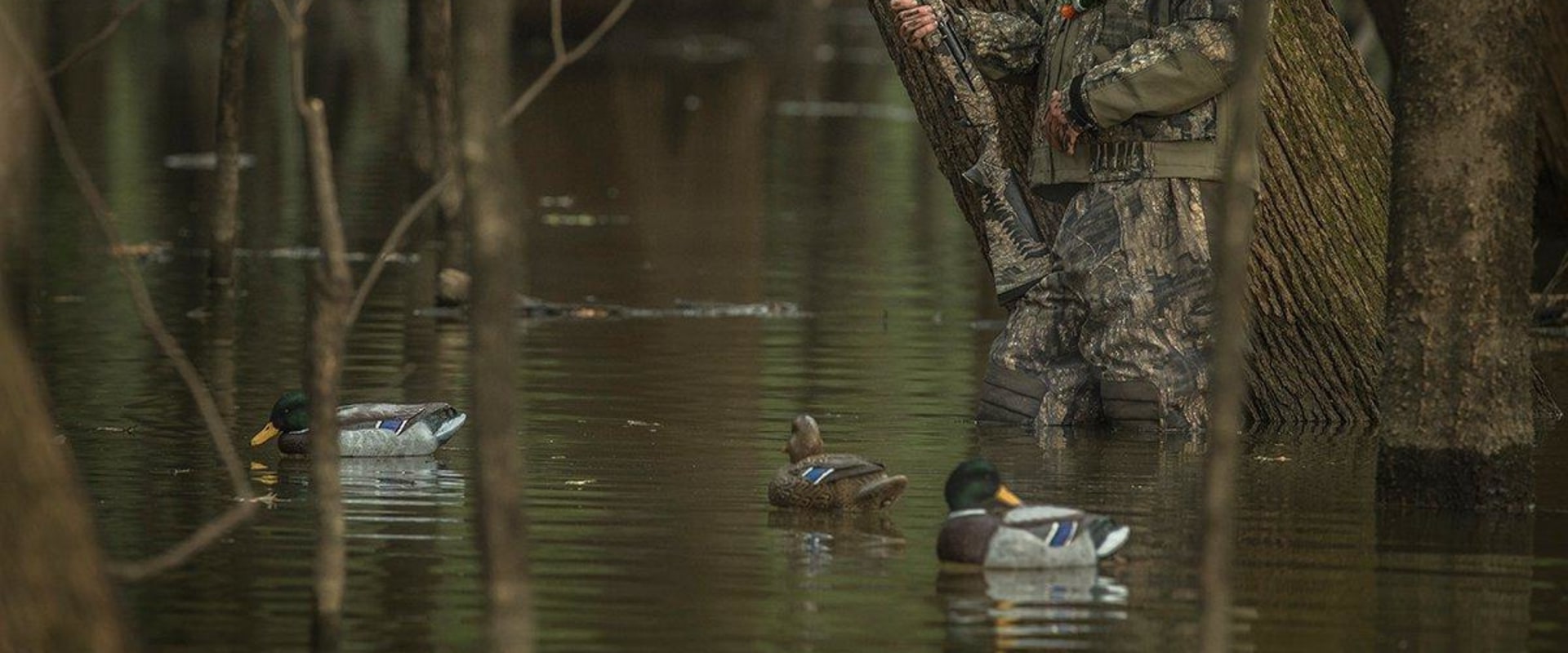
When it comes to Texas duck hunting, understanding the regulations is not just a matter of compliance; it’s essential for a successful and enjoyable experience. Texas boasts a diverse range of waterfowl species, making it a prime location for hunters. However, with this opportunity comes the responsibility of adhering to specific hunting regulations that govern everything from licensing to legal hunting hours. First and foremost, obtaining the proper hunting licenses is crucial. In Texas, all hunters aged 17 and older must possess a valid Texas hunting license, along with a federal duck stamp if they plan to hunt migratory birds.
Additionally, hunters are required to complete a hunter education course if they were born on or after September 2, 1971. This ensures that all participants are knowledgeable about safe hunting practices and the laws that protect wildlife. Equally important are the legal hunting hours, which dictate when hunters can legally pursue ducks. In Texas, the general rule is that hunting can commence half an hour before sunrise and must cease at sunset. However, these hours can vary based on specific zones and seasons, so it’s vital for hunters to check the latest regulations before heading out. By familiarizing themselves with these rules, hunters not only avoid potential penalties but also contribute to the conservation of Texas's rich wildlife heritage.
Choosing the Right Location for Duck Hunting
When it comes to Texas duck hunting, selecting the right location can make all the difference between a successful outing and a frustrating day in the field.Understanding the nuances of various hunting spots is essential for maximizing your chances of bagging ducks.
Best Duck Hunting Spots in Texas
Texas is home to a variety of habitats that attract migratory ducks, including wetlands, lakes, and rivers. Some of the best duck hunting spots in Texas include:- Coastal Marshes: The Gulf Coast offers rich marshlands that are prime for hunting.
- Lake Texoma: This large reservoir is known for its diverse waterfowl population.
- Trinity River: The river's floodplains provide excellent feeding grounds for ducks.
- Public Wildlife Management Areas: These areas are specifically managed for hunting and often have good populations of ducks.
Public vs Private Land
Another critical factor to consider is whether to hunt on public or private land. Each option has its pros and cons:- Public Land: Generally more accessible and often free, but can be crowded, especially during peak seasons. Scouting is essential to find less pressured areas.
- Private Land: Typically offers more exclusive access and potentially better hunting conditions.
However, it often requires a fee or permission from landowners.
Scouting Locations
Regardless of where you choose to hunt, scouting is a vital step in your preparation. Here are some tips for effective scouting:- Visit Early: Early morning or late afternoon are the best times to observe duck activity.
- Look for Signs: Pay attention to droppings, feathers, and other signs of duck presence.
- Use Technology: Consider using apps or GPS tools to mark promising locations and track movements.
Common Equipment Mistakes in Duck Hunting
When it comes to Texas duck hunting, having the right equipment is crucial for a successful outing. However, many hunters make common mistakes that can hinder their performance and safety.Here are some of the most frequent equipment-related errors to avoid:
- Using Inadequate Gear: One of the biggest mistakes is not investing in quality gear. Cheap or poorly made equipment can fail when you need it most. Ensure your duck hunting gear, including waders, calls, and decoys, is durable and suited for the Texas environment.
- Neglecting Maintenance: Failing to maintain your equipment can lead to malfunctions during critical moments. Regularly check your shotgun, clean your decoys, and inspect your waders for leaks.
A little upkeep goes a long way in ensuring everything functions properly.
- Overpacking or Underpacking: Striking the right balance in what you bring is essential. Overpacking can weigh you down and make movement difficult, while underpacking can leave you unprepared for changing conditions. Make a checklist of essential equipment before heading out.
- Ignoring Weather Conditions: Texas weather can be unpredictable. Not considering the forecast when selecting your gear can lead to discomfort or even danger.
Always check the weather and dress accordingly, layering your clothing for warmth and waterproofing.
- Improper Use of Calls: Many hunters underestimate the importance of using duck calls correctly. Familiarize yourself with different calls and practice before your hunt. Misusing calls can scare away ducks instead of attracting them.
Understanding Duck Behavior and Migration Patterns
Understanding duck behavior and their migration patterns is crucial for any successful Texas duck hunting trip.Ducks are migratory birds, and their movements are influenced by various factors including weather, food availability, and breeding cycles. By familiarizing yourself with these patterns, you can significantly enhance your hunting strategy.
Migration Patterns
- Seasonal Changes: Ducks typically migrate south during the fall and return north in the spring. Knowing when these migrations occur can help you plan your hunting trips around peak activity.
- Weather Conditions: Sudden changes in weather can trigger migration. Cold fronts often push ducks to seek warmer areas, making it essential to monitor forecasts.
- Feeding Habits: Ducks tend to congregate in areas with abundant food sources.
Understanding their feeding patterns can lead you to the best hunting spots.
Understanding Duck Behavior
- Social Structure: Ducks often travel in groups. Recognizing the dynamics of these groups can help you predict their movements and improve your chances of a successful hunt.
- Flight Patterns: Observing how ducks approach a water body can inform your setup. They may prefer certain entry points based on wind direction or cover.
- Response to Calls: Different species respond to calls differently. Learning which calls attract specific ducks can enhance your effectiveness in the field.
By integrating this knowledge into your hunting strategies, you can increase your chances of success and enjoy a more rewarding experience in the great outdoors.
Mistakes in Calling Techniques and Decoy Placement
When it comes to Texas duck hunting, mastering calling techniques and decoy placement is essential for a successful outing. However, many hunters make common mistakes that can deter ducks from approaching. Understanding these pitfalls can significantly enhance your hunting experience.Common Calling Mistakes
- Overcalling: One of the most frequent errors is overcalling. Ducks can become wary if they hear too much noise.
Instead, focus on natural sounds and use calls sparingly to mimic the real behavior of ducks.
- Improper Timing: Timing is crucial in duck calling. Calling too early or too late can cause ducks to lose interest. Pay attention to their movements and call when they are within range.
- Lack of Variety: Using the same call repeatedly can make your setup sound unnatural. Incorporate a variety of calls to imitate different species and behaviors, which can attract a wider range of ducks.
Decoy Placement Tips
- Ignoring Wind Direction: Failing to consider wind direction when placing decoys can lead to poor results.
Ducks typically land into the wind, so position your decoys accordingly to create a natural landing zone.
- Poor Spacing: Clumping decoys together can make them look artificial. Space them out to create a more realistic spread, mimicking how ducks naturally gather.
- Static Setup: Changing conditions require adjustments in your decoy setup. Be flexible and willing to move or reposition your decoys based on the behavior of the ducks and environmental factors.
Safety Precautions Every Duck Hunter Should Take
When it comes to Texas duck hunting, safety should always be the top priority.The thrill of the hunt can sometimes overshadow the need for caution, but being prepared can prevent accidents and ensure a successful outing.
Essential Safety Gear
- Life Jackets: If you’re hunting from a boat, wearing a life jacket is crucial. Accidents can happen quickly on the water, and a life jacket can save your life.
- Hearing Protection: The sound of gunfire can damage your hearing over time. Use earplugs or earmuffs designed for shooting to protect your ears.
- Eye Protection: Safety glasses or goggles can shield your eyes from flying debris and accidental discharges.
- Camouflage Clothing: While not directly a safety item, wearing appropriate clothing helps you blend into your environment, reducing the risk of being mistaken for game.
Accident Prevention Tips
- Know Your Firearm: Familiarize yourself with your shotgun’s operation and safety features. Always keep the muzzle pointed in a safe direction.
- Follow the Rules: Adhere to local hunting regulations and guidelines.
This includes understanding bag limits and hunting seasons.
- Hunt with a Buddy: Never hunt alone. Having a partner not only enhances safety but also makes for a more enjoyable experience.
- Stay Aware of Your Surroundings: Be mindful of other hunters in the area. Always identify your target before firing to avoid accidents.
Post-Hunt Practices: Cleaning and Storing Your Gear
After a successful day of Texas duck hunting, the work doesn’t end when you leave the field.Proper cleaning and storing of your gear is crucial for maintaining its functionality and longevity. Neglecting these practices can lead to equipment failure during your next hunt, which can be both frustrating and costly.
Cleaning Your Duck Hunting Gear
Start by thoroughly cleaning your gear as soon as possible after your hunt. Here are some essential steps:- Rinse Off Mud and Debris: Use fresh water to rinse off any mud, feathers, or debris from your waders, decoys, and other equipment. This prevents corrosion and wear.
- Dry Everything Completely: Moisture can lead to mold and mildew.
Ensure that all items, especially fabric gear like jackets and waders, are completely dry before storing them.
- Inspect for Damage: Check for any tears, cracks, or other damage. Addressing these issues promptly can save you from bigger problems later.
Storing Equipment Properly
Once your gear is clean and dry, proper storage is key to keeping it in top condition:- Avoid Direct Sunlight: Store your gear in a cool, dry place away from direct sunlight to prevent fading and degradation of materials.
- Use Storage Bags: Consider using breathable storage bags for clothing and waders to protect them from dust and pests while allowing air circulation.
- Organize Your Gear: Keep similar items together. For example, store all decoys in one area and all clothing in another. This organization will make preparing for your next hunt much easier.
Maintenance Tips
Regular maintenance can extend the life of your hunting gear significantly:- Regular Inspections: Make it a habit to inspect your gear at the beginning and end of each season.
- Lubricate Moving Parts: For items like shotguns or decoys with moving parts, ensure they are lubricated according to the manufacturer’s recommendations.
- Replace Worn Items: Don’t hesitate to replace items that show significant wear or damage.
Investing in quality gear is essential for a successful hunting experience.
Frequently Asked Questions About Duck Hunting in Texas
When it comes to Texas duck hunting, many newcomers have questions that can significantly impact their experience. Here are some of the most frequently asked questions:What is the best time to go duck hunting in Texas?
The prime duck hunting season in Texas typically runs from late November through January. During this period, migratory birds are more abundant, making it an ideal time for hunters. Early morning and late afternoon are often the most productive times to hunt.Do I need a license to hunt ducks in Texas?
Yes, all hunters aged 17 and older must possess a valid Texas hunting license along with a Federal Duck Stamp.It’s essential to familiarize yourself with local regulations, as they can vary by region.
What gear do I need for duck hunting?
Essential gear for Texas duck hunting includes:- Shotgun: A 12 or 20-gauge shotgun is commonly used.
- Ammunition: Steel shot is required for waterfowl hunting.
- Decoys: Realistic decoys can attract ducks effectively.
- Camouflage clothing: Blending into your surroundings is crucial.
- Waders: Waterproof waders keep you dry while navigating wetlands.
What are some tips for beginners?
If you're new to duck hunting in Texas, consider these tips:- Scout your location: Visit potential hunting spots beforehand to observe duck activity.
- Practice shooting: Familiarize yourself with your shotgun and practice your aim before the season starts.
- Learn calling techniques: Mastering duck calls can significantly improve your chances of success.
- Hunt with experienced hunters: Joining seasoned hunters can provide valuable insights and enhance your skills.