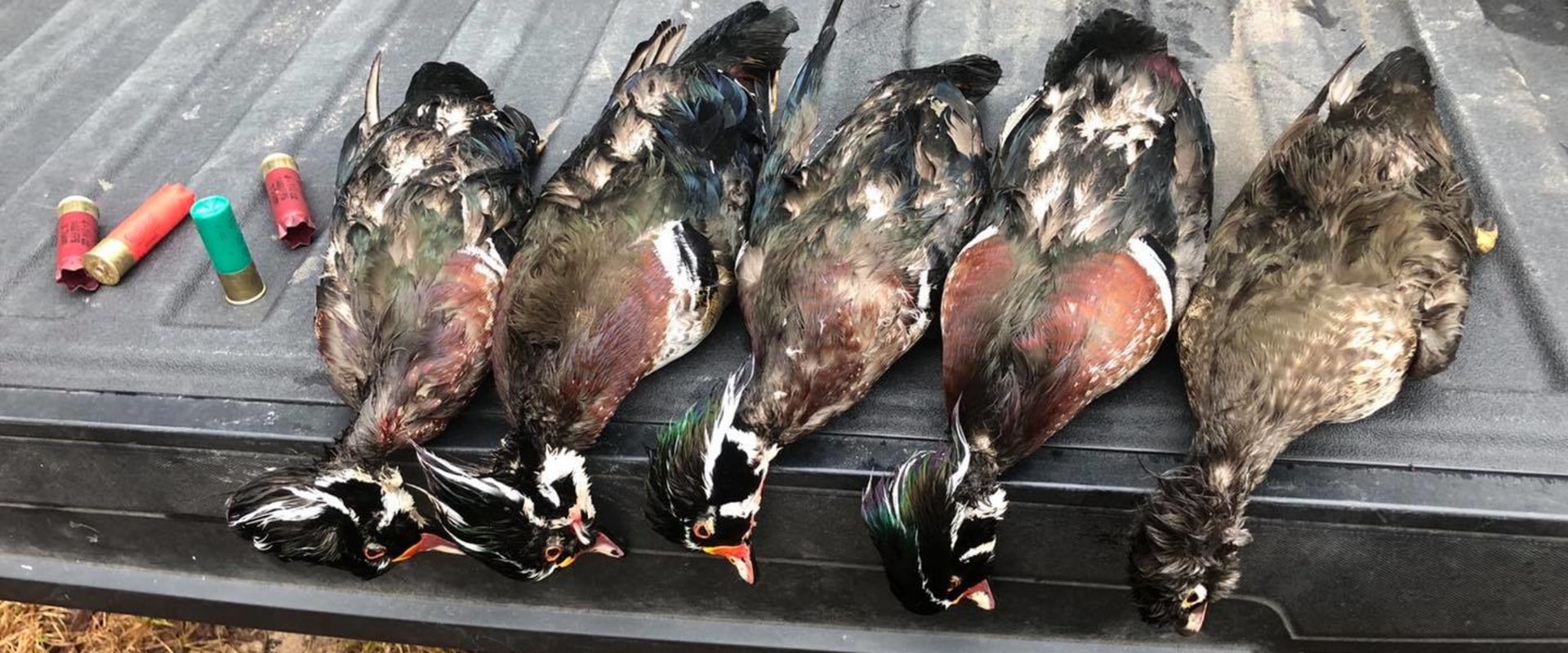
Texas is renowned for its diverse wildlife and expansive landscapes, making it a prime destination for duck hunting enthusiasts. However, with the thrill of the hunt comes the responsibility of adhering to local hunting regulations. Understanding these laws is crucial not only for the conservation of wildlife but also for ensuring a safe and enjoyable experience in the field. The state has established specific guidelines that govern various aspects of duck hunting, including seasons, bag limits, and methods of take. One of the most critical regulations pertains to hunting over bait.
In Texas, hunting ducks over baited areas is strictly prohibited and can lead to severe penalties. Violating this law not only jeopardizes the integrity of the sport but also poses significant risks to the environment and local ecosystems. Therefore, it is essential for hunters to familiarize themselves with these laws to avoid unintentional infractions that could result in hefty fines or even loss of hunting privileges. As you prepare for your next hunting expedition, take the time to review the current duck hunting laws in Texas. This knowledge will empower you to make informed decisions while out in the field and contribute positively to the conservation efforts that protect our natural resources.
Remember, responsible hunting is not just about following the rules; it's about preserving the sport for future generations.
Overview of Duck Hunting in Texas
Texas is renowned for its diverse and abundant duck hunting opportunities, making it a prime destination for both novice and seasoned hunters. The state boasts a variety of habitats, including wetlands, lakes, and coastal marshes, which attract numerous species of waterfowl during the migratory seasons.Popular Locations
- Coastal Prairie: This area is famous for its rich marshlands that provide excellent feeding grounds for ducks.
- Central Flyway: Texas lies within this major migratory route, making it a hotspot for various duck species.
- Lake Texoma: Known for its large populations of mallards and gadwalls, this lake is a favorite among hunters.
- Sabine River: This region offers unique hunting experiences with its diverse ecosystems.
- Mallards: The most popular duck species, known for their distinctive green heads.
- Pintails: Recognized for their long necks and elegant appearance.
- Wood Ducks: These colorful birds are often found in wooded swamps and are prized for their beauty.
- Gadwalls: A more subtle but abundant species that provides a rewarding challenge for hunters.
With its rich landscapes and diverse species, it remains an integral part of the state's heritage.
What is Baiting in Duck Hunting?
In the context of duck hunting, baiting refers to the practice of placing food in a specific area to attract ducks for hunting purposes. This can include grains, seeds, or other food items that are appealing to waterfowl. The intention behind baiting is to lure ducks into a designated spot, making it easier for hunters to take aim and harvest their game.Baiting is often seen as a controversial practice within the hunting community. While some hunters argue that it increases their chances of success, others believe it undermines the fair chase principle that is central to ethical hunting.In many states, including Texas, baiting is strictly regulated or outright illegal due to concerns about wildlife management and conservation.
How Baiting is Practiced
Baiting can take various forms, from scattering corn or millet in a field to using specialized feeders that dispense food at regular intervals. Hunters may also use natural food sources, such as flooded agricultural fields, where ducks naturally congregate. However, the legality of these practices varies significantly by state and even by local jurisdictions.- Intentional Baiting: This involves actively placing food in an area with the intent to attract ducks.
- Natural Baiting: This occurs when ducks are drawn to areas where food is naturally available, such as wetlands or rice fields.
Therefore, it is essential for hunters to familiarize themselves with local regulations regarding hunting over bait to ensure they are compliant with the law.
Legal Status of Baiting Ducks in Texas
In Texas, the legal status of baiting ducks is a critical aspect of duck hunting regulations that every hunter must understand. Baiting, which involves placing feed to attract waterfowl, is strictly prohibited under both state and federal laws. The Texas Parks and Wildlife Department (TPWD) enforces these regulations to ensure fair hunting practices and the conservation of wildlife.Is Baiting Legal in Texas?
- No, baiting ducks is illegal in Texas.
- Hunters found using bait can face severe penalties.
Fish and Wildlife Service, which collaborates with state agencies like TPWD to monitor compliance. Violating these laws can lead to hefty fines and even the loss of hunting privileges.
Texas Baiting Laws
- Baiting is defined as placing or scattering feed on or over the land or water where hunters are attempting to take migratory game birds.
- The law applies to all forms of bait, including corn, wheat, and other grains.
- Hunters must ensure that their hunting areas are free from any bait for at least 10 days prior to hunting.
Hunting Regulations in Texas
To avoid penalties, hunters should familiarize themselves with the specific regulations regarding duck hunting. This includes understanding the definitions of baiting and the required distance from baited areas. Additionally, hunters should be aware that even unintentional baiting can result in legal consequences.In summary, adhering to Texas's strict laws against baiting is essential for responsible hunting.
Not only does it protect the integrity of the sport, but it also ensures the sustainability of duck populations for future generations.
Penalties for Hunting Ducks Over Bait in Texas
In Texas, hunting ducks over bait is considered a serious violation of wildlife regulations. The penalties for this offense can be quite severe, reflecting the state's commitment to preserving its natural resources and ensuring fair hunting practices.Fines and Financial Penalties
- The fines for hunting ducks over bait can range from $500 to $4,000, depending on the severity of the violation and whether it is a first-time or repeat offense.
- In addition to fines, violators may also be required to pay restitution for any wildlife that was unlawfully taken.
Potential Jail Time
- In some cases, individuals found guilty of hunting ducks over bait may face jail time. This can range from 30 days to 6 months, particularly for repeat offenders or those who have committed more serious violations.
- Felony charges may apply in extreme cases, leading to even harsher penalties.
Additional Consequences
- Beyond fines and jail time, hunters convicted of this violation may also face the suspension or revocation of their hunting licenses.
- This can have long-term implications for avid hunters, as losing a license can prevent them from participating in future hunting seasons.
Enforcement and Reporting Violations
In Texas, the enforcement of wildlife laws, including regulations surrounding duck hunting, is taken very seriously.The Texas Parks and Wildlife Department (TPWD) is the primary agency responsible for enforcing these laws. They work diligently to ensure that all hunters comply with state regulations, which helps maintain sustainable wildlife populations and protects the natural environment.When it comes to reporting suspected violations, such as hunting ducks over bait, the TPWD encourages the public to be vigilant and proactive. Individuals can report wildlife violations through several channels:
- Texas Parks and Wildlife Department: You can contact TPWD directly via their website or by phone. They have a dedicated hotline for reporting violations anonymously.
- Operation Game Thief: This is a program that allows citizens to report wildlife crimes confidentially.
Rewards may be offered for information leading to an arrest or citation.
- Local Law Enforcement: In some cases, local law enforcement agencies may also handle wildlife violations. It’s important to know your local resources.
By being proactive and informed, you contribute to the conservation efforts in Texas and help maintain the integrity of duck hunting as a cherished outdoor activity.
Frequently Asked Questions about Duck Hunting Over Bait in Texas
When it comes to duck hunting in Texas, many hunters have questions about the legality and implications of hunting over bait. Here are some frequently asked questions that can help clarify this topic.What is considered baiting in Texas?
Baiting refers to the practice of placing food or other attractants in an area to lure ducks for hunting purposes. In Texas, it is illegal to hunt ducks over baited areas, which includes any location where bait has been placed within 10 days prior to hunting.What are the penalties for hunting ducks over bait?
The penalties for hunting ducks over bait in Texas can be severe. Offenders may face:- Fines: Violating baiting laws can result in fines ranging from $500 to $2,000.
- Loss of hunting privileges: Repeat offenders may have their hunting licenses suspended or revoked.
- Criminal charges: In some cases, individuals may face misdemeanor or felony charges depending on the severity of the violation.
How can I ensure I’m not hunting over bait?
To avoid unintentional violations, hunters should:- Be aware of local regulations regarding baiting and hunting seasons.
- Avoid areas where food has been recently placed or where other hunters have been seen using bait.
- Consult with local wildlife officials if unsure about a specific area.
Are there exceptions to the baiting rule?
In Texas, there are no exceptions to the rule against hunting over bait.All hunters must adhere strictly to the regulations set forth by the Texas Parks and Wildlife Department. It’s crucial to stay informed about any changes in laws or regulations that may affect your hunting practices.By understanding these key points about duck hunting over bait in Texas, hunters can enjoy their experience while remaining compliant with state laws.
Conclusion: Key Takeaways on Duck Hunting Regulations in Texas
In summary, understanding the penalties for hunting ducks over bait in Texas is crucial for any waterfowl enthusiast. The state has established strict regulations to ensure sustainable hunting practices and protect wildlife populations. Here are the key takeaways:- Legal Definition of Baiting: In Texas, baiting refers to the intentional placement of feed to attract ducks.
This practice is illegal and can lead to severe consequences.
- Penalties: Engaging in duck hunting over bait can result in hefty fines, loss of hunting privileges, and even criminal charges. First-time offenders may face fines up to $4,000, while repeat offenders could incur even steeper penalties.
- Importance of Compliance: Adhering to state regulations not only protects hunters from legal repercussions but also contributes to the conservation of duck populations and their habitats.
- Reporting Violations: If you witness illegal baiting activities, it is essential to report them to the Texas Parks and Wildlife Department. This helps maintain the integrity of Texas duck hunting and ensures a fair experience for all hunters.