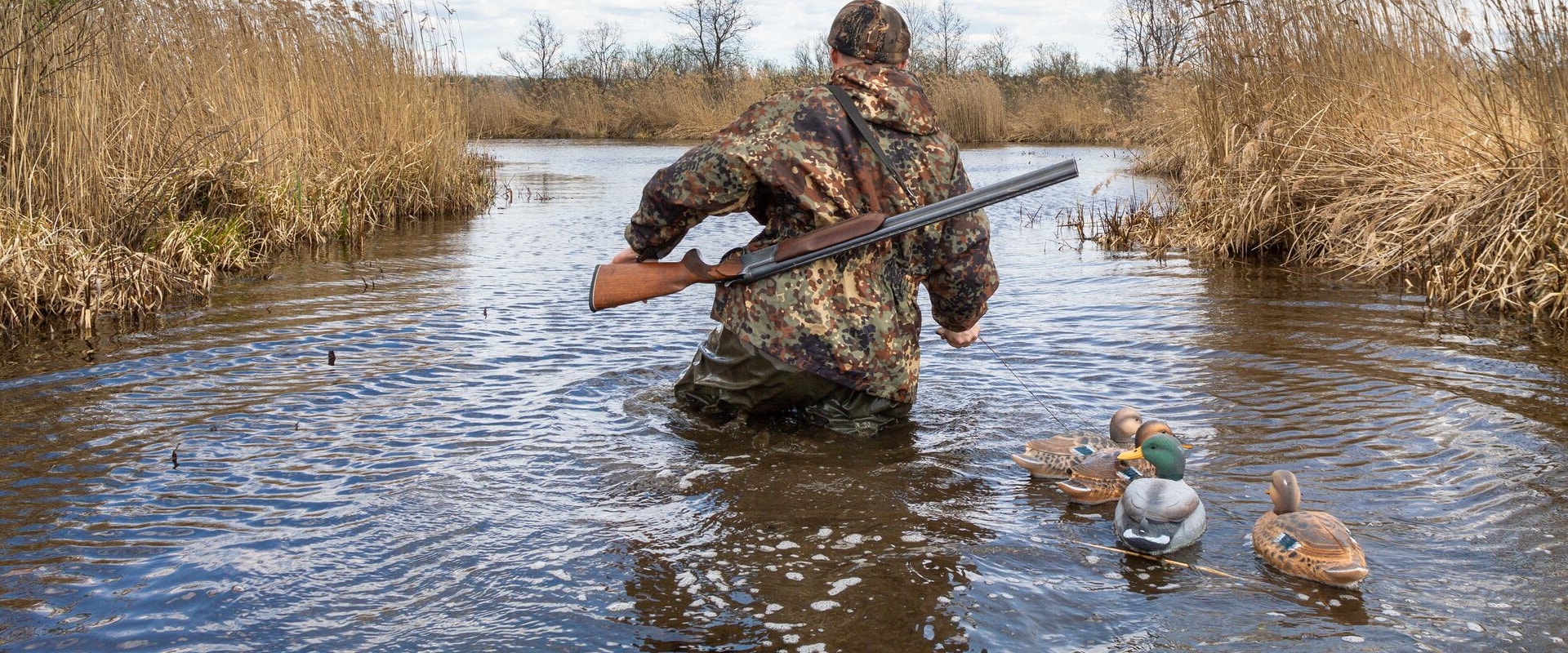
Duck hunting in Texas is not just a pastime; it’s a cherished tradition that draws thousands of enthusiasts each year. With its diverse ecosystems, from coastal marshes to sprawling wetlands, Texas offers some of the best duck hunting opportunities in the United States. However, as with any outdoor activity, it is crucial for hunters to understand the legal landscape surrounding their pursuits, including the Ins and Outs of Tree Removal Regulations when hunting on private land. Many hunters may wonder, "Can I hunt ducks on private land without permission in Texas?" The answer is a resounding no. Respecting property rights is paramount in Texas, where land ownership is deeply valued. Duck hunting in Texas is not just a pastime; it’s a cherished tradition that draws thousands of enthusiasts each year. With its diverse ecosystems, from coastal marshes to sprawling wetlands, Texas offers some of the best duck hunting opportunities in the United States. However, as with any outdoor activity, it is crucial for hunters to understand the legal landscape surrounding their pursuits, including the Ins and Outs of Tree Removal Regulations when hunting on private land. Many hunters may wonder, "Can I hunt ducks on private land without permission in Texas?" The answer is a resounding no. Respecting property rights is paramount in Texas, where land ownership is deeply valued.
Hunting without the landowner's consent can lead to serious legal repercussions and tarnish the reputation of the hunting community. Therefore, understanding hunting regulations and obtaining proper permissions are essential steps for anyone looking to enjoy this exhilarating sport. As you prepare for your next duck hunting adventure, it’s important to familiarize yourself with both state and local regulations. This includes knowing the designated hunting seasons, bag limits, and specific rules that apply to private lands. By doing so, you not only ensure a successful hunt but also contribute to the conservation efforts that keep Texas’s rich wildlife thriving for generations to come.
Overview of Duck Hunting Laws in Texas
Understanding the duck hunting laws in Texas is crucial for both novice and experienced hunters.The state has established a set of regulations that govern when, where, and how hunters can pursue waterfowl, ensuring sustainable practices and the protection of wildlife.In Texas, duck hunting is regulated by both state and federal laws. The Texas Parks and Wildlife Department (TPWD) oversees the implementation of these regulations, which include specific hunting seasons, bag limits, and permissible hunting methods.
Hunting Seasons
The duck hunting season in Texas typically runs from late September through late January, but exact dates can vary each year. It is essential for hunters to check the TPWD website or consult the annual hunting regulations guide for the most current information.Bag Limits
Bag limits are established to maintain healthy populations of waterfowl. In Texas, the daily bag limit for ducks is generally six, with specific restrictions on certain species.For example, only one of these can be a canvasback, and there are additional limits on other species such as mallards.
Hunting Methods
Hunters must also adhere to specific methods of take. The use of lead shot is prohibited in favor of non-toxic alternatives like steel or bismuth. Additionally, hunters are required to possess a valid hunting license, along with a federal duck stamp, which contributes to wetland conservation efforts.Private Land Considerations
If you are considering hunting on private land, it is imperative to obtain permission from the landowner. Hunting without permission is illegal and can result in severe penalties.Always ensure that you have clear authorization before setting out on your hunt.In summary, adhering to the hunting regulations in Texas not only ensures compliance with the law but also promotes responsible hunting practices that benefit both hunters and wildlife alike.
Private Land Hunting: Do You Need Permission?
When it comes to hunting ducks on private land in Texas, the question of whether you need permission is crucial. In general, hunting on private land without the landowner's consent is illegal and can lead to serious legal consequences.Understanding Private Land Hunting Laws
- In Texas, all land is either public or private. Private land is owned by individuals or entities, and hunting on such land requires explicit permission from the owner.
- Even if the land appears unoccupied or is adjacent to public hunting areas, it is essential to obtain permission before hunting.
- Failure to do so can result in fines, confiscation of equipment, and even criminal charges.
Best Practices for Duck Hunting on Private Land
- Always Seek Permission: Before planning your duck hunting trip, contact the landowner to request access. This not only keeps you within legal boundaries but also fosters good relationships with local landowners.
- Document Your Permission: If granted permission, consider getting it in writing.
This can protect you in case of any disputes regarding your right to hunt on that property.
- Respect the Land: Always follow the rules set by the landowner regarding hunting practices, such as designated areas for hunting and any restrictions on equipment.
Consequences of Hunting Without Permission
Hunting ducks on private land in Texas without the landowner's permission can lead to serious legal repercussions. Understanding the consequences of hunting without permission is crucial for any hunter looking to enjoy the sport responsibly.In Texas, trespassing laws are strict. If you enter private property without consent, you may be charged with criminal trespass, which can result in fines or even jail time.The severity of the penalties often depends on whether the land is posted with signs indicating that it is private property. Ignoring these signs can escalate the situation, leading to more severe legal consequences.Additionally, hunting without permission can result in the loss of hunting privileges. The Texas Parks and Wildlife Department (TPWD) has the authority to revoke hunting licenses for individuals found guilty of illegal hunting practices. This means that not only could you face immediate legal action, but you could also jeopardize your ability to hunt legally in the future.Moreover, landowners have the right to pursue civil action against trespassers.
This could involve seeking damages for any harm caused to their property or resources. In some cases, landowners may also choose to file a lawsuit for emotional distress or other claims related to unauthorized access.To avoid these potential pitfalls, it is essential for hunters to always seek permission before hunting on private land. Establishing a good relationship with landowners can lead to fruitful hunting opportunities and ensure that all parties are protected under the law.In summary, the legal issues surrounding hunting in Texas without permission are significant and can have lasting effects on a hunter's ability to participate in this beloved pastime. Always prioritize obtaining proper authorization before setting out on a hunt.
How to Obtain Permission for Duck Hunting on Private Land
When it comes to Texas duck hunting, obtaining permission to hunt on private land is crucial.Here are some effective strategies to help you secure that access:
1.Research and Identify Potential Landowners
Start by identifying local landowners who have suitable habitats for ducks. This could include farmers, ranchers, or individuals with large tracts of land near water sources. Utilize online maps and local directories to find contact information.2.Approach with Respect
When you reach out to landowners, approach them respectfully.A polite introduction can go a long way. Explain who you are, your interest in duck hunting, and why you believe their property would be a good fit for your hunting activities.
3.Offer Something in Return
Many landowners appreciate reciprocity. Consider offering to help with land maintenance, such as clearing brush or managing wildlife populations, in exchange for hunting access.This not only shows your commitment but also builds goodwill.
4.Build Relationships
Establishing a rapport with landowners can significantly increase your chances of gaining permission. Attend local community events or agricultural fairs where you might meet them in person. Building a relationship based on trust can lead to long-term hunting opportunities.5.Be Clear About Your Intentions
When discussing hunting access, be transparent about your intentions. Let the landowner know how many people will be hunting, what equipment you will use, and your plans for safety and conservation practices. This transparency can alleviate concerns they may have.6.Follow Up and Show Gratitude
If a landowner grants you permission, make sure to follow up with a thank-you note or gesture after the hunting season.This not only shows appreciation but also keeps the door open for future access. By following these steps, you can effectively navigate the process of obtaining permission for duck hunting on private land in Texas, ensuring a respectful and mutually beneficial relationship with landowners.
Best Practices for Ethical Duck Hunting in Texas
Engaging in ethical duck hunting is crucial for maintaining the balance of wildlife populations and respecting the rights of landowners in Texas. As a hunter, it is your responsibility to ensure that your actions contribute positively to the environment and the community.One of the most important aspects of ethical hunting is obtaining permission before hunting on private land. Trespassing not only violates property rights but can also lead to conflicts with landowners and damage the reputation of the hunting community.Always seek explicit consent from landowners and respect their rules regarding hunting on their property.
Responsible Hunting Practices
- Know the Regulations: Familiarize yourself with Texas hunting laws, including seasons, bag limits, and specific regulations for waterfowl.
- Use Proper Equipment: Ensure that your gear is suitable for duck hunting and that you are using non-toxic shot to minimize environmental impact.
- Avoid Overhunting: Be mindful of the number of ducks you harvest. Adhering to bag limits helps maintain healthy populations.
- Practice Clean Hunting: Always clean up after yourself. Dispose of any waste properly and avoid leaving behind spent shells or other debris.
Consider volunteering your time or donating to these initiatives to help preserve the natural environments that support duck populations.By committing to ethical hunting practices and supporting conservation efforts, you not only enhance your own experience but also contribute to a sustainable future for Texas duck hunting. Respecting wildlife and private property fosters a positive relationship between hunters and landowners, ensuring that future generations can enjoy this cherished outdoor activity.
Frequently Asked Questions about Duck Hunting in Texas
When it comes to duck hunting in Texas, many hunters have questions regarding regulations and best practices. Here are some frequently asked questions that can help clarify common concerns.Can I hunt ducks on private land without permission?
No, you cannot hunt ducks on private land without the landowner's permission. In Texas, hunting on private property without consent is considered trespassing and can lead to legal consequences.Always ensure you have explicit permission from the landowner before hunting.
What are the hunting seasons for ducks in Texas?
The duck hunting season in Texas typically runs from late September through late January, but specific dates can vary by year and region. It’s essential to check the Texas Parks and Wildlife Department website for the most current regulations and season dates.What licenses do I need for duck hunting?
- A valid Texas hunting license.
- A federal duck stamp, which is required for all waterfowl hunters.
- A state migratory game bird endorsement, which is also necessary.
Are there specific regulations for hunting ducks?
Yes, there are several regulations that hunters must follow:- Bag limits: Hunters are limited to a certain number of ducks per day, which varies by species.
- Hunting methods: Only specific methods of hunting are allowed, such as using non-toxic shot.
- Hunting hours: There are designated hours during which hunting is permitted, typically from half an hour before sunrise to sunset.
Conclusion: Key Takeaways on Duck Hunting Regulations in Texas
In summary, understanding the regulations surrounding Texas duck hunting is crucial for both novice and experienced hunters. The state of Texas has specific laws that govern hunting on private land, and it is essential to adhere to these rules to ensure a safe and legal hunting experience. Here are the key takeaways regarding hunting ducks on private land in Texas:- Permission is Mandatory: Always obtain explicit permission from the landowner before hunting on private property. Hunting without permission can lead to legal consequences.
- Know the Regulations: Familiarize yourself with Texas Parks and Wildlife regulations, including hunting seasons, bag limits, and specific rules that may apply to different regions.
- Respect Private Property: Be mindful of the land and its resources.
Respecting the property not only fosters good relationships with landowners but also promotes responsible hunting practices.
- Consider Local Customs: Each area may have its own set of unwritten rules or customs regarding hunting. Engaging with local hunters can provide valuable insights.