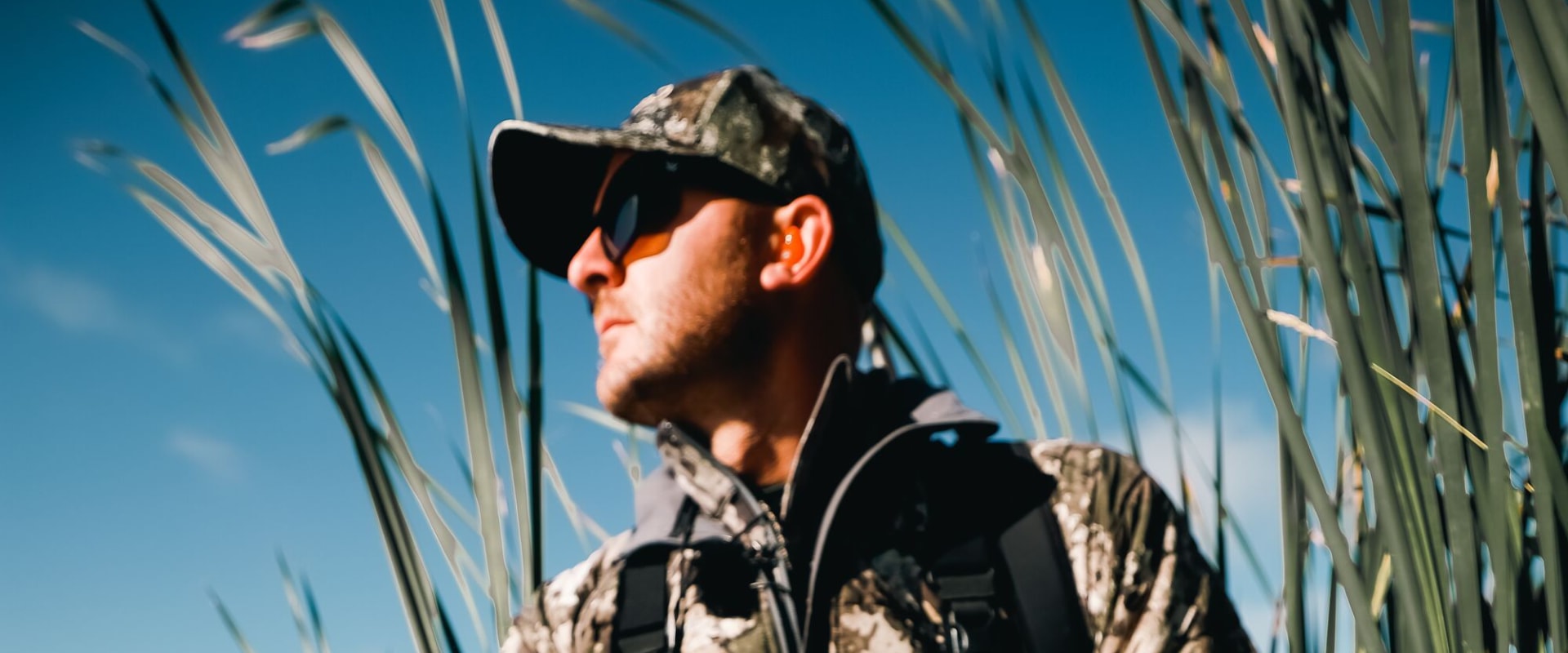
Texas is home to a diverse array of national wildlife refuges, each playing a crucial role in the conservation of the state's unique ecosystems. These refuges not only provide sanctuary for countless species of wildlife but also offer exceptional opportunities for outdoor enthusiasts, particularly those interested in Texas duck hunting. Understanding the significance of these protected areas is essential for anyone looking to engage in hunting activities while respecting the delicate balance of nature. National wildlife refuges in Texas are designed to protect habitats that are vital for migratory birds, including various species of ducks. These areas serve as critical stopover points during migration, making them prime locations for hunters seeking to experience the thrill of waterfowl hunting.
However, with this opportunity comes a responsibility to adhere to specific hunting regulations that ensure the sustainability of these environments and the wildlife that inhabit them. As you prepare for your next hunting expedition, it’s important to familiarize yourself with the rules governing each refuge. Regulations can vary significantly from one location to another, reflecting the unique ecological needs and conservation goals of each area. By understanding these guidelines, hunters can contribute to the preservation of Texas's natural resources while enjoying a rewarding outdoor experience.
General Hunting Regulations in Texas
When it comes to hunting regulations in Texas, understanding the general rules is crucial for both novice and experienced hunters. The state has established a comprehensive set of laws to ensure sustainable wildlife management and safety for all participants.One of the primary regulations is that all hunters must possess a valid Texas hunting license.This license can be obtained online or at various retail locations throughout the state. Additionally, hunters are required to complete a hunter education course if they were born on or after September 2, 1971. This course covers essential safety practices and ethical hunting behavior.In Texas, there are specific seasons for different types of game, including waterfowl, which is particularly relevant for those interested in Texas duck hunting. The Texas Parks and Wildlife Department (TPWD) sets these seasons, and it’s important for hunters to stay updated on any changes. For instance, the duck hunting season typically runs from late fall to early winter, but exact dates can vary each year.
- Bag Limits: Hunters must adhere to daily bag limits, which dictate the maximum number of ducks that can be harvested in a single day.
These limits are designed to protect duck populations and ensure sustainable hunting practices.
- Hunting Methods: Only certain methods of hunting are permitted. For example, the use of lead shot is prohibited when hunting waterfowl, and hunters must use non-toxic alternatives.
- Protected Species: It is illegal to hunt certain species that are protected under state and federal laws. Familiarizing oneself with these species is essential to avoid legal repercussions.
Always check with the local refuge management for the most accurate and up-to-date information.By adhering to these general hunting rules, hunters can contribute to the conservation of wildlife while enjoying their time outdoors. Understanding these regulations not only enhances the hunting experience but also promotes responsible stewardship of Texas's natural resources.
Specific Rules for Hunting on National Wildlife Refuges
Hunting on national wildlife refuges in Texas is governed by specific rules designed to protect wildlife and ensure a sustainable hunting experience. Understanding these hunting rules is crucial for both novice and experienced hunters.Permits and Licensing
- All hunters must possess a valid Texas hunting license.
- A special permit may be required for hunting on certain national wildlife refuges. Check the specific refuge's website for details.
Hunting Seasons
- The hunting seasons for Texas duck hunting vary by species and location.
Generally, the waterfowl season runs from late fall to early spring.
- Refuges may have specific opening and closing dates that differ from state regulations, so it’s essential to verify these dates before planning your trip.
Restrictions and Guidelines
- Hunting is typically allowed only in designated areas of the refuge. Look for signs indicating these zones.
- Use of lead shot is prohibited in many refuges; non-toxic shot is required for waterfowl hunting.
- Hunters must adhere to bag limits set by the U.S. Fish and Wildlife Service, which can vary by species and location.
- All hunters are expected to follow ethical hunting practices, including respecting wildlife and other visitors.
Permits and Licensing Requirements
When planning a Texas duck hunting trip on national wildlife refuges, understanding the necessary permits and licensing requirements is crucial for compliance with state and federal regulations.Each refuge may have specific rules, so it’s essential to familiarize yourself with the guidelines applicable to the area you intend to hunt.
Hunting Permits in Texas
- All hunters must possess a valid Texas hunting license, which can be obtained through the Texas Parks and Wildlife Department (TPWD).
- In addition to the state license, hunters are required to have a federal duck stamp if they plan to hunt migratory waterfowl.
- Some national wildlife refuges may require additional permits specific to their area. Always check the refuge's website or contact their office for detailed information.
Licensing Requirements
- Hunters aged 17 and older must have a valid hunting license.
- A hunter education course completion certificate is mandatory for those born on or after September 2, 1971.
- Special licenses may be available for youth hunters or those with disabilities, providing additional opportunities for participation.
National Wildlife Refuge Permits
- Some refuges may issue special permits for hunting during specific seasons or for certain species. These permits often have limited availability and may require advance application.
- It is important to adhere to all regulations outlined in the permit, including designated hunting areas and season dates.
Best Practices for Duck Hunting in Refuges
When it comes to duck hunting in national wildlife refuges in Texas, adhering to best practices is essential for both the hunter and the environment.These practices not only enhance your hunting experience but also promote conservation efforts that protect wildlife habitats.
1.Know the Regulations
- Before heading out, familiarize yourself with the specific regulations of the refuge you plan to visit. Each refuge may have unique rules regarding hunting seasons, permitted areas, and species restrictions.
- Always carry your hunting license and any required permits while hunting.
2.Practice Ethical Hunting
- Respect wildlife by only taking shots that ensure a quick and humane kill. Avoid shooting at birds that are too far away or in difficult positions.
- Follow the principle of leave no trace. Clean up after yourself by removing all trash and spent shells from the area.
- Be mindful of other hunters and wildlife enthusiasts.
Maintain a safe distance and avoid disrupting their experience.
3.Prepare for the Environment
- Dress appropriately for the weather conditions, as Texas can have unpredictable climates. Layering is key to staying comfortable throughout the day.
- Bring necessary gear such as waders, decoys, and calls that are suitable for the specific type of ducks you are targeting.
4.Engage in Conservation Efforts
- Participate in local conservation programs or volunteer opportunities to help maintain the refuge's ecosystem.
- Educate yourself about the local wildlife and their habitats to better understand how your hunting practices impact them.
Frequently Asked Questions about Duck Hunting in Texas Refuges
When it comes to duck hunting in Texas national wildlife refuges, many hunters have specific questions regarding regulations and best practices. Here are some frequently asked questions that can help clarify the rules and enhance your hunting experience.- What are the hunting seasons for ducks in Texas?
The duck hunting season typically runs from late September through late January, but specific dates can vary by year and location.Always check the Texas Parks and Wildlife Department (TPWD) website for the most current information.
- Do I need a special permit to hunt in national wildlife refuges?
Yes, hunters are required to obtain a special permit for hunting in national wildlife refuges. These permits can usually be acquired through the U.S. Fish and Wildlife Service or at the refuge itself. - Are there restrictions on the types of firearms and ammunition I can use?
Most national wildlife refuges allow shotguns only, and the use of lead shot is prohibited. Hunters should use non-toxic shot, such as steel or bismuth, to comply with federal regulations. - Can I hunt from a boat?
Hunting from a boat is permitted in some areas of national wildlife refuges, but there are specific guidelines regarding boat access and operation.Always check local regulations before heading out.
- What should I know about wildlife conservation while hunting?
Hunters are encouraged to practice ethical hunting methods that promote conservation. This includes adhering to bag limits, respecting closed areas, and reporting any illegal activities.
Conclusion: Key Takeaways for Hunters
In summary, understanding the specific rules for Texas duck hunting on national wildlife refuges is crucial for both the success of your hunt and the preservation of these vital ecosystems. Here are the key takeaways:- Know the Regulations: Each refuge has its own set of regulations regarding hunting seasons, permitted species, and specific areas where hunting is allowed.
Always check the latest guidelines before heading out.
- Obtain Necessary Permits: Ensure you have the required permits and licenses. Some refuges may require additional permits for hunting, so it’s essential to be informed.
- Respect Wildlife and Habitat: Follow all rules regarding wildlife protection and habitat conservation. This includes adhering to bag limits and avoiding areas that are off-limits to hunters.
- Practice Safety: Always prioritize safety by wearing appropriate gear, using proper firearms handling techniques, and being aware of your surroundings.
- Be Mindful of Other Users: National wildlife refuges are shared spaces. Be courteous to other visitors, including bird watchers and photographers, to ensure a positive experience for everyone.
Remember, responsible hunting not only enhances your own experience but also ensures that future generations can enjoy the beauty of Texas duck hunting.