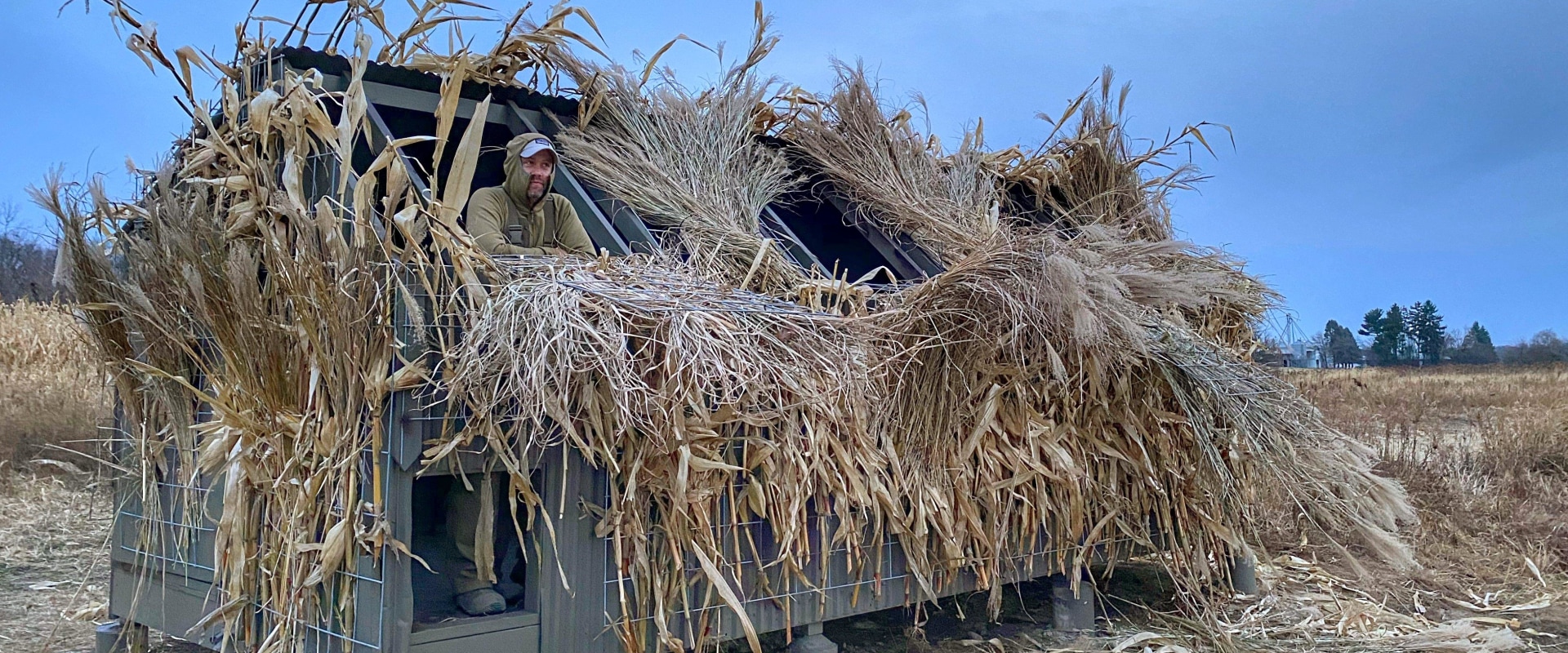
Texas is renowned for its diverse landscapes and abundant wildlife, making it a prime destination for duck hunting. With vast wetlands, rice fields, and coastal marshes, the state offers a variety of habitats that attract numerous duck species each season. As hunters gear up for the annual migration, understanding the nuances of duck blinds becomes essential for a successful outing. The right blind not only provides concealment but also enhances the overall hunting experience. In Texas, hunters utilize several types of duck blinds, each designed to suit different environments and hunting styles.
From traditional wooden structures to modern portable options, the choice of blind can significantly impact your success rate. Knowing which type of blind to use in specific locations can mean the difference between a fruitful hunt and an empty bag. As we delve deeper into the various types of duck blinds used in Texas, we will explore their unique features and advantages, helping you make informed decisions for your next hunting trip. Whether you are a seasoned hunter or a novice eager to learn, understanding the landscape of Texas duck hunting and the role of duck blinds is crucial. This knowledge not only enhances your skills but also fosters a deeper appreciation for the sport and its connection to Texas's rich natural heritage.
Understanding Duck Blinds
A duck blind is a structure or concealment used by hunters to hide from ducks while they are hunting.The primary purpose of a duck blind is to provide a safe and camouflaged environment where hunters can wait for their prey without being detected. This strategic concealment is crucial in Texas duck hunting, where various species of ducks migrate and congregate in wetlands, lakes, and rivers.Duck blinds come in various forms, each designed to suit different hunting environments and preferences. Understanding the types of duck blinds can help hunters choose the right one for their specific needs.
- Permanent Blinds: These are built to last and often constructed from materials like wood or metal. They are typically placed in areas known for high duck activity and can be quite elaborate, featuring roofs and walls for added protection against the elements.
- Temporary Blinds: Made from natural materials such as reeds, grass, or brush, these blinds are set up quickly and can be dismantled after use.
They offer flexibility for hunters who may want to change locations frequently.
- Boat Blinds: Designed for hunters who prefer to hunt from a boat, these blinds are often mounted on the vessel itself. They provide mobility while still offering concealment as the hunter navigates through water bodies.
- Pit Blinds: These are dug into the ground and provide a low-profile option for hunters. Pit blinds are particularly effective in fields or marshes, allowing hunters to remain hidden while sitting comfortably.
Types of Duck Blinds Commonly Used in Texas
When it comes to Texas duck hunting, the choice of duck blinds can significantly impact your success in the field.Various types of blinds are utilized across the state, each offering unique features and advantages tailored to different hunting environments.
1.Permanent Blinds
Permanent blinds are often constructed from durable materials like wood or metal and are designed to remain in place year-round. These structures provide excellent concealment and can be equipped with amenities such as seating and storage. Their stability makes them ideal for areas with consistent water levels, such as lakes and rivers.2.Portable Blinds
For hunters who prefer flexibility, portable blinds are a popular choice. These lightweight options can be easily transported and set up in various locations, making them perfect for adapting to changing conditions or migrating birds.Common types include:
- Layout Blinds: Low-profile designs that allow hunters to lie flat on the ground, providing excellent concealment.
- Frame Blinds: These are freestanding structures that can be quickly assembled and disassembled, often featuring camo fabric for added stealth.
3.Natural Blinds
Utilizing the surrounding environment is another effective strategy.Natural blinds
involve using reeds, grasses, or other vegetation to create a makeshift hide. This method is particularly effective in marshy areas where hunters can blend seamlessly into the landscape.4.Boat Blinds
For those who hunt from boats, boat blinds offer a unique solution. These blinds are typically mounted on boats and provide cover while allowing hunters to navigate waterways easily.They can be customized with camo netting or vegetation to enhance concealment.No matter which type of blind you choose, understanding the specific features and advantages of each can enhance your Texas duck hunting experience, ensuring you remain concealed while maximizing your chances of a successful hunt.
Natural Blinds
When it comes to Texas duck hunting, utilizing natural blinds can significantly enhance your chances of a successful hunt. These blinds are constructed from materials found in the environment, such as reeds, grasses, and branches, allowing hunters to blend seamlessly into their surroundings.Advantages of Natural Blinds
- Camouflage: Natural blinds provide excellent concealment, making it difficult for ducks to spot hunters. The organic materials mimic the natural habitat, which is crucial for effective hunting.
- Cost-Effective: Building a natural blind often requires minimal investment. Hunters can use readily available materials, reducing the need for expensive equipment.
- Environmental Integration: These blinds can be constructed in a way that enhances the local ecosystem, providing shelter for various wildlife while serving as a hunting aid.
How to Use Natural Blinds
To maximize the effectiveness of a natural blind, consider the following tips:
- Select the Right Location: Choose a spot where ducks frequently visit.
Look for areas near water sources or feeding grounds.
- Blend In: Use local vegetation to cover your blind. Ensure that it matches the surrounding environment in color and texture.
- Avoid Disturbance: Set up your blind well in advance of your hunting trip to allow ducks to acclimate to its presence.
Permanent Blinds
When it comes to Texas duck hunting, one of the most effective tools for hunters is the permanent duck blind.These structures are built to withstand the elements and provide a reliable spot for hunters to conceal themselves while waiting for waterfowl.
Construction of Permanent Blinds
- Materials: Permanent blinds are typically constructed using durable materials such as wood, metal, or composite materials. The choice of material often depends on the local environment and the specific needs of the hunter.
- Location: Selecting the right location is crucial. Permanent blinds should be placed in areas with high duck traffic, such as near feeding grounds or along migration routes.
- Design: Many hunters opt for designs that blend into the natural surroundings, using local vegetation for camouflage. This can include adding reeds, grasses, or other natural materials to help the blind remain inconspicuous.
Benefits of Permanent Blinds
- Durability: Unlike temporary blinds, permanent structures are built to last.
They can withstand harsh weather conditions and provide a consistent hunting spot year after year.
- Comfort: Permanent blinds often include features such as seating and protection from wind and rain, making them more comfortable for extended hunting sessions.
- Stealth: With a well-constructed permanent blind, hunters can remain hidden from ducks, increasing their chances of a successful hunt.
Temporary or Portable Blinds
When it comes to Texas duck hunting, flexibility and mobility are key factors for success, especially in the diverse landscapes of the Lone Star State.This is where temporary or portable blinds come into play, offering hunters the ability to adapt to changing conditions and locations.
Portable duck blinds
are designed for easy setup and takedown, making them ideal for hunters who may need to move frequently to find the best spots. These blinds can be made from various materials, including lightweight fabrics, camouflaged netting, and even natural elements like reeds and grasses. Their versatility allows hunters to blend seamlessly into their surroundings, increasing their chances of a successful hunt.Advantages of Portable Blinds
- Mobility: One of the primary benefits of portable blinds is their ease of transport. Many models can be folded or collapsed into compact sizes, making them easy to carry in a backpack or vehicle.
- Quick Setup: Unlike permanent structures, portable blinds can be set up in minutes.
This is particularly advantageous when hunting in areas where ducks are known to move quickly.
- Adaptability: Portable blinds allow hunters to change locations based on weather conditions or duck activity. This adaptability can lead to more successful hunts.
- Cost-Effective: For those new to duck hunting in Texas, investing in a portable blind can be more economical than building a permanent structure.
Boat Blinds
Boat blinds are a popular choice among Texas duck hunting enthusiasts, providing a unique and effective way to hunt waterfowl. These blinds are typically constructed on boats, allowing hunters to navigate to prime hunting spots while remaining concealed from the birds.Using Boat Blinds for Hunting
When using boat blinds, hunters can easily access remote areas of lakes, rivers, and marshes where ducks often gather.The mobility of a boat blind allows for quick adjustments based on changing weather conditions or duck movements. Additionally, many boat blinds are designed to blend seamlessly with the natural environment, making them less detectable to wary waterfowl.
Advantages of Boat Blinds
- Mobility: One of the primary advantages of boat blinds is their ability to move. This mobility enables hunters to follow migratory patterns and find the best spots for hunting.
- Concealment: Boat blinds can be camouflaged with natural materials such as reeds and grasses, providing excellent cover that helps hunters remain hidden from ducks.
- Versatility: These blinds can be used in various water conditions, from shallow marshes to deeper lakes, making them suitable for different types of Texas duck hunting.
- Comfort: Many boat blinds are equipped with seating and storage options, allowing hunters to stay comfortable during long hours of waiting.
DIY Duck Blinds: Tips and Tricks
Building your own duck blind can be a rewarding experience, especially for those engaged in Texas duck hunting.Not only does it allow you to customize the blind to fit your specific hunting needs, but it can also save you money. Here are some essential tips and tricks to consider when embarking on your DIY duck blind project.
Choosing the Right Materials
The materials you select will significantly impact the effectiveness and durability of your blind. Common materials include:- Wood: Plywood or treated lumber is often used for the frame and walls.
- Camouflage netting: This helps blend your blind into the surrounding environment.
- Grass or reeds: Natural vegetation can be added for additional concealment.
- Waterproofing materials: Tarps or plastic sheeting can protect against moisture.
Design Considerations
Your blind's design should prioritize both functionality and concealment. Here are some design tips:- Location: Choose a spot that ducks frequent, ideally near water sources or feeding areas.
- Height: Ensure your blind is tall enough to provide cover while allowing for a clear line of sight.
- Accessibility: Make sure you can easily enter and exit the blind without disturbing wildlife.
- Ventilation: Incorporate openings to allow for airflow, especially in warmer months.
Use local vegetation to cover any exposed surfaces, and consider adding a layer of mud or dirt to help it blend into the landscape. Regular maintenance is also crucial; check for any damage after each hunting season and make necessary repairs to ensure your blind remains functional and effective.By following these tips, you can create a DIY duck blind that enhances your Texas duck hunting experience, providing both comfort and concealment as you wait for the perfect shot.
Frequently Asked Questions about Duck Blinds in Texas
When it comes to Texas duck hunting, understanding the various types of duck blinds can significantly enhance your experience. Here are some frequently asked questions regarding duck blinds:What is a duck blind?
A duck blind is a structure or concealment used by hunters to hide from ducks while they are hunting. The primary purpose is to provide cover and allow hunters to remain undetected.What are the common types of duck blinds used in Texas?
- Permanent Blinds: These are built on-site and often made from wood or other durable materials.
They are designed to withstand the elements and provide a stable hunting location.
- Temporary Blinds: These can be set up quickly and are often made from natural materials like reeds, grass, or camouflaged fabric. They are ideal for hunters who move frequently.
- Boat Blinds: Used by hunters who access water via boats, these blinds are mounted on boats and allow for mobility while still providing cover.
- Pit Blinds: Excavated into the ground, these blinds offer excellent concealment and are often used in fields or marshes.
How do I choose the right blind for my hunting location?
Selecting the right blind depends on several factors, including the type of terrain, the species of ducks you are targeting, and your hunting style. Consider the following:- Location: Assess whether you will be hunting in open water, marshes, or fields.
- Mobility: Determine if you prefer a fixed location or if you want to move around frequently.
- Concealment: Ensure that your chosen blind offers adequate cover based on the local vegetation and landscape.
Are there regulations regarding duck blinds in Texas?
Yes, Texas has specific regulations regarding the construction and placement of duck blinds. It is essential to check with local wildlife authorities to ensure compliance with state laws and guidelines.Understanding these aspects of duck blinds can greatly improve your success in Texas duck hunting.Always stay informed about local regulations and best practices to ensure a safe and enjoyable hunting experience.
Conclusion: Choosing the Right Duck Blind for Your Hunt
In conclusion, selecting the right type of duck blind is crucial for a successful Texas duck hunting experience. Each type of blind offers unique advantages and can significantly impact your hunting success. Understanding the various options available allows hunters to tailor their approach based on specific conditions and personal preferences. Here are some key takeaways to consider when choosing a duck blind:- Location: The geographical area and habitat type will dictate which blind is most effective. For instance, marshes may benefit from floating blinds, while open fields might be better suited for field blinds.
- Mobility: If you plan to hunt in multiple locations, consider a portable blind.
These are easy to transport and set up, allowing for flexibility in your hunting strategy.
- Concealment: The effectiveness of a blind often hinges on how well it blends into the environment. Invest time in camouflaging your chosen blind to enhance your chances of success.
- Comfort: Long hours in the field can be taxing, so choose a blind that offers comfort features such as seating and protection from the elements.