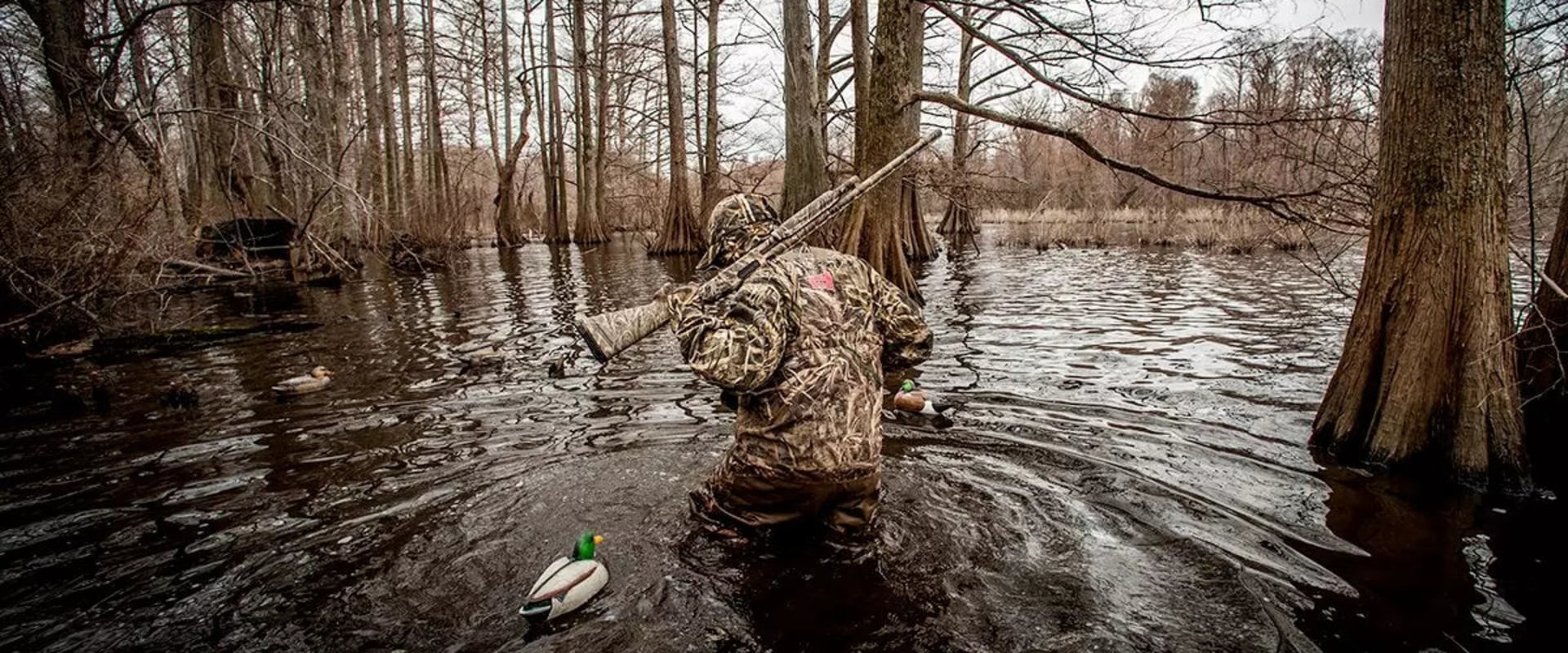
When it comes to Texas duck hunting, understanding the regulations is essential for both novice and experienced hunters. Texas boasts a diverse range of habitats that attract various duck species, making it a prime location for waterfowl enthusiasts. However, before you grab your gear and head out to hunt on private lakes or ponds, it’s crucial to familiarize yourself with the specific hunting laws in Texas that govern these activities. In Texas, hunting on private property requires explicit permission from the landowner. This means that if you plan to hunt ducks on a private lake or pond, you must ensure that you have the necessary consent.
Additionally, hunters must adhere to state regulations regarding hunting seasons, bag limits, and permissible hunting methods. The Texas Parks and Wildlife Department (TPWD) provides comprehensive guidelines that detail these regulations, which are designed to promote sustainable hunting practices and protect wildlife populations. Moreover, it’s important to note that certain areas may have additional restrictions or requirements. For instance, some private properties may implement their own rules regarding hunting times or specific zones where hunting is allowed. Therefore, always communicate with the landowner to understand any unique stipulations they may have in place.
By being informed about private property hunting rules and adhering to state regulations, you can enjoy a successful and responsible duck hunting experience in Texas.
Hunting on Private Lakes and Ponds: What You Need to Know
When it comes to Texas duck hunting, many enthusiasts are drawn to the allure of private lakes and ponds. However, hunting on these waters requires a clear understanding of the rules and regulations that govern such activities.Permissions from Landowners
- Before you can hunt on a private lake or pond, it is essential to obtain explicit permission from the landowner. This is not just a courtesy; it is a legal requirement. Trespassing on private property without consent can lead to serious legal consequences.
- Landowners may have specific rules regarding hunting times, methods, and even the types of waterfowl that can be hunted.
Always ensure you have a written agreement if possible.
Private Pond Hunting Rules
- In Texas, hunting regulations can vary significantly between public and private lands. While state laws provide a framework, individual landowners may impose additional restrictions.
- It is crucial to familiarize yourself with the Texas Parks and Wildlife Department guidelines, which outline the general hunting seasons, bag limits, and species regulations.
- Some private ponds may also have specific management practices in place to protect local wildlife populations, which could affect your hunting experience.
Duck Hunting on Private Property
- When hunting on private property, you may also need to consider the presence of other hunters. Coordination with fellow hunters can help avoid conflicts and ensure a safe environment.
- Additionally, some landowners may offer guided hunts or leases for exclusive access to their property. This can be an excellent option for those looking for a more structured hunting experience.
Doing so not only enhances your hunting experience but also fosters positive relationships with landowners and the local community.
Obtaining Permission: The Key to Hunting on Private Property
When it comes to Texas duck hunting, obtaining permission from landowners is crucial for accessing private lakes and ponds. Here are some effective strategies to help you secure that all-important permission.Building Relationships with Landowners
Establishing a good rapport with landowners can significantly increase your chances of getting permission to hunt. Here are some tips:- Introduce Yourself: Start by introducing yourself in a friendly manner.
Share your interest in hunting and express respect for their property.
- Be Honest: Clearly explain why you want to hunt on their land. Honesty builds trust, which is essential for gaining permission.
- Offer Something in Return: Consider offering to help with property maintenance or share some of your catch. This shows appreciation and can foster goodwill.
Understanding Landowner Concerns
Landowners may have valid concerns about allowing hunters on their property. Addressing these concerns can help ease their minds:- Safety: Assure them that you will follow all safety protocols and regulations while hunting.
- Property Damage: Emphasize your commitment to respecting their land and leaving it as you found it.
- No Disruption: Let them know you will minimize noise and disturbance to livestock or other activities on the property.
The Approach
The way you ask for permission can make a significant difference.Here are some steps to consider:
- Select the Right Time: Approach landowners during a time when they are not busy or stressed, such as after work hours or on weekends.
- Be Polite and Respectful: Always be courteous in your request, regardless of the outcome.
- Follow Up: If they agree, thank them sincerely. If they decline, respect their decision and consider asking again in the future.
Best Practices for Duck Hunting on Private Waters
When it comes to duck hunting on private lakes or ponds in Texas, adhering to best practices is essential for both ethical hunting and environmental stewardship. Here are some key tips to ensure a successful and responsible hunting experience.- Obtain Permission: Always secure permission from the landowner before hunting on private waters. This not only respects property rights but also fosters good relationships with landowners.
- Know the Regulations: Familiarize yourself with Texas hunting regulations, including season dates, bag limits, and specific rules for private lands.
Compliance is crucial for conservation efforts.
- Practice Safety: Always prioritize safety by wearing appropriate gear, using a life jacket if necessary, and ensuring your firearm is handled responsibly. Inform others of your hunting plans and carry a first aid kit.
- Respect Wildlife: Avoid overhunting and be mindful of the local ecosystem. Limit disturbances to nesting areas and refrain from hunting during sensitive times, such as breeding seasons.
- Leave No Trace: Clean up after your hunt by removing all trash and spent shells. This practice helps maintain the natural beauty of the area and protects wildlife habitats.
- Be Courteous: If other hunters are present, maintain a respectful distance and communicate effectively.
Sharing the space can lead to a more enjoyable experience for everyone involved.
Common Questions About Duck Hunting in Texas
When it comes to Texas duck hunting, many enthusiasts have questions about the regulations and best practices, especially regarding hunting on private lakes and ponds. Here are some common queries:- Can I hunt ducks on my private property? Yes, if you own or have permission to hunt on private lakes or ponds, you can hunt ducks there. However, you must still adhere to Texas Parks and Wildlife regulations.
- What licenses do I need for duck hunting in Texas? To hunt ducks in Texas, you need a valid Texas hunting license and a Federal Duck Stamp.
Make sure to check for any additional permits that may be required for specific areas.
- Are there specific seasons for duck hunting? Yes, Texas has designated seasons for duck hunting, which typically run from late September through January. Always check the current regulations as dates may vary each year.
- What are the bag limits for ducks in Texas? Bag limits can vary based on species and season. Generally, hunters are allowed a daily limit of six ducks, but this can include specific restrictions on certain species.
- What tips can improve my duck hunting experience? Here are some helpful tips:
- Scout your location: Before the season starts, visit your chosen lake or pond to observe duck activity.
- Use decoys effectively: Setting up realistic decoys can attract more ducks to your area.
- Be patient: Ducks may not come immediately; patience is key in hunting.
Conclusion: Key Takeaways for Duck Hunters in Texas
In conclusion, understanding the nuances of Texas duck hunting is essential for both novice and experienced hunters. As we have discussed, hunting on private lakes or ponds in Texas is permissible, but it comes with specific responsibilities and regulations that must be adhered to. Here are the key takeaways for duck hunters in Texas:- Obtain Permission: Always ensure you have explicit permission from the landowner before hunting on private property.
This not only respects the rights of property owners but also fosters good relationships within the hunting community.
- Know the Regulations: Familiarize yourself with Texas Parks and Wildlife regulations regarding hunting seasons, bag limits, and specific rules that may apply to private waters. Compliance is crucial to avoid penalties.
- Practice Ethical Hunting: Engage in responsible hunting practices. This includes respecting wildlife, minimizing environmental impact, and ensuring a humane approach to hunting.
- Stay Informed: Regulations can change, so it’s important to stay updated on any new laws or guidelines that may affect your hunting experience.