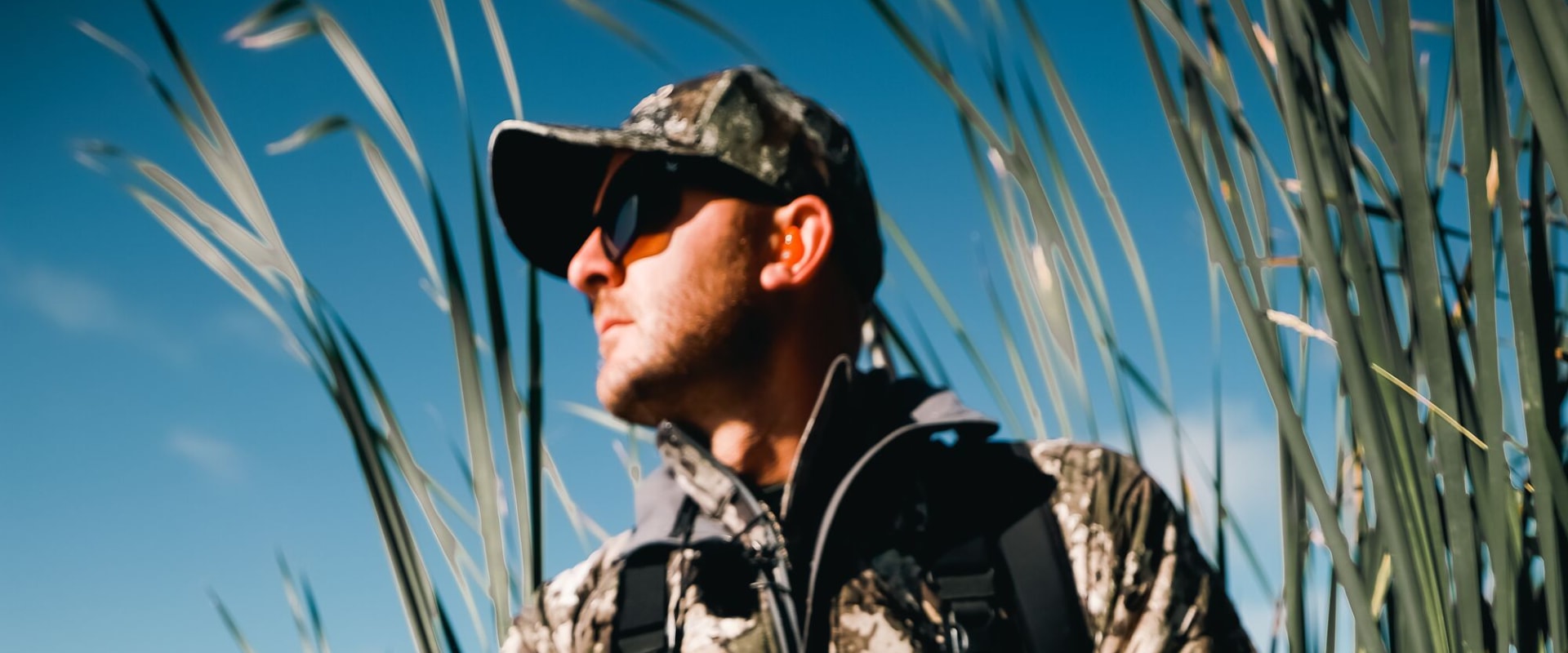
When it comes to Texas duck hunting, understanding the regulations is crucial for both novice and seasoned hunters. The state of Texas has established a comprehensive set of rules that govern waterfowl hunting, ensuring the sustainability of wildlife populations and the safety of all participants. These regulations cover various aspects, including hunting seasons, bag limits, and permissible hunting methods. Familiarizing yourself with these laws not only enhances your hunting experience but also helps you avoid potential legal issues. One significant area of concern for many hunters is the use of motorized boats during duck hunting.
While motorized boats can provide access to remote hunting locations and facilitate the retrieval of game, they are subject to specific regulations. Understanding these restrictions is essential for compliance with hunting laws in Texas. For instance, certain areas may have limitations on boat usage to protect sensitive habitats or to minimize disturbances to wildlife. Additionally, the waterfowl hunting rules in Texas often include guidelines on boat operation during hunting hours. Hunters must be aware of the designated zones where motorized boats are allowed and any restrictions that may apply during peak migration periods.
By adhering to these regulations, hunters contribute to the conservation efforts that keep Texas's rich waterfowl populations thriving.
Motorized Boats and Duck Hunting: The Basics
When it comes to Texas duck hunting, the use of motorized boats can significantly enhance the hunting experience. These boats allow hunters to access remote areas of lakes, rivers, and marshes where ducks are likely to congregate. However, understanding the regulations surrounding their use is crucial for a successful and legal hunting trip.Advantages of Using Motorized Boats
- Access to Remote Locations: Motorized boats enable hunters to reach secluded spots that are otherwise difficult to access, increasing the chances of a successful hunt.
- Speed and Efficiency: Traveling by boat can save time, allowing hunters to scout multiple locations quickly.
- Transporting Gear: Boats provide ample space for transporting decoys, firearms, and other necessary equipment.
- Motor Size Limits: Some areas may have restrictions on the size of the motor used. Always check local regulations before heading out.
- No Wake Zones: In certain regions, especially near wildlife refuges, there may be designated no wake zones to protect habitats and nesting areas.
- Seasonal Restrictions: During specific times of the year, such as breeding seasons for certain species, restrictions may apply to minimize disturbance.
This ensures not only compliance with the law but also contributes to the conservation of wildlife and their habitats. Always consult the Texas Parks and Wildlife Department for the most current rules regarding boat usage in hunting areas.
Specific Restrictions on Motorized Boats in Texas
When it comes to Texas duck hunting, understanding the specific restrictions on using motorized boats is crucial for compliance with state regulations and ensuring a successful hunting experience. The Texas Parks and Wildlife Department (TPWD) has established several guidelines that hunters must follow.Motorized Boat Restrictions
- Seasonal Restrictions: During certain times of the year, particularly during the peak of the duck hunting season, there may be restrictions on the use of motorized boats in specific areas to protect wildlife habitats. Always check the current regulations for any seasonal changes.
- Location-Based Rules: Some areas, especially those designated as wildlife refuges or sanctuaries, may have strict rules against motorized boats.
Hunters should familiarize themselves with local regulations to avoid penalties.
- Noise Regulations: In addition to restrictions on where you can use motorized boats, there are also noise regulations to consider. Excessive noise can disturb wildlife and may lead to fines or other consequences.
Boat Laws Specific to Duck Hunting
- Boat Registration: All motorized boats used for hunting must be properly registered with the state. Ensure that your boat has the necessary registration stickers displayed.
- Safety Equipment: Texas law requires that all boats carry specific safety equipment, including life jackets for each passenger and a fire extinguisher if the boat is over a certain length.
- Motor Size Limitations: Some areas may impose limitations on the size of motors that can be used in certain waters. Check local regulations to ensure compliance.
Always consult the latest TPWD guidelines before heading out to ensure a safe and legal hunting trip.
Permitted Areas for Motorized Boat Use During Duck Hunting
When it comes to Texas duck hunting, understanding where you can use motorized boats is crucial for a successful outing. Several areas across the state allow for motorized boat access, providing hunters with the mobility needed to reach prime hunting spots.Popular Locations for Motorized Boat Use
- Coastal Marshes: The Texas Gulf Coast features extensive marshlands that are ideal for duck hunting. Areas like Matagorda Bay and Sabine Lake offer excellent access points for hunters using motorized boats.
- Lake Fork: Known for its diverse waterfowl population, Lake Fork allows motorized boats, making it a popular destination for hunters looking to navigate its expansive waters.
- Trinity River: This river provides numerous access points and is known for its rich wildlife, including various duck species. Motorized boats can be used to reach less accessible areas.
- Wetlands in the Panhandle: Regions like the Lubbock Wetlands and surrounding areas permit motorized boat use, offering hunters a chance to explore remote hunting grounds.
Access Considerations
While many areas permit motorized boats, it's essential to check local regulations as they can vary by location.
Some regions may have specific restrictions during certain times of the year or require permits for boat use. Additionally, be mindful of no-wake zones, which are often established to protect wildlife habitats.Before heading out, consult the Texas Parks and Wildlife Department website for updated information on hunting regulations and permitted areas. This ensures that you remain compliant while enjoying your duck hunting experience in Texas.
Safety Regulations for Motorized Boats While Duck Hunting
When engaging in Texas duck hunting, understanding the safety regulations for using motorized boats is crucial for both compliance and safety. The Texas Parks and Wildlife Department (TPWD) has established specific guidelines that hunters must adhere to while navigating waterways.Equipment Requirements
- Personal Flotation Devices (PFDs): All boats must have a U.S.
Coast Guard-approved life jacket for each person on board. It is recommended that hunters wear their PFDs at all times, especially in cold weather conditions.
- Fire Extinguishers: Boats equipped with an engine must have a fire extinguisher on board, particularly if they are over 26 feet in length.
- Sound Signaling Devices: A whistle or horn is required to signal other boaters, especially in low visibility conditions.
Best Practices for Safe Duck Hunting
- Pre-Trip Inspection: Before heading out, conduct a thorough inspection of your boat to ensure it is in good working condition. Check the engine, fuel levels, and all safety equipment.
- Know Your Waterways: Familiarize yourself with the local waterways and any potential hazards such as shallow areas, submerged objects, or strong currents.
- Weather Awareness: Always check the weather forecast before embarking on your hunting trip. Sudden changes in weather can create dangerous conditions on the water.
Remember that safety should always be a top priority when navigating waterways during hunting season.
Frequently Asked Questions About Motorized Boats and Duck Hunting in Texas
When it comes to Texas duck hunting, many hunters have questions regarding the use of motorized boats. Understanding the regulations and best practices can enhance your hunting experience while ensuring compliance with state laws.Are there restrictions on motorized boats during duck hunting?
Yes, there are specific regulations that govern the use of motorized boats in Texas for duck hunting. While motorized boats are generally allowed, hunters must adhere to certain guidelines:- Waterbody Regulations: Different water bodies may have unique rules regarding motorized boat usage. Always check local regulations for specific areas.
- Noise Restrictions: Some areas may impose noise restrictions to minimize disturbance to wildlife.
Using quieter motors or electric boats can be beneficial.
- Boat Size and Type: Ensure your boat meets the size and type requirements set by Texas Parks and Wildlife. Certain areas may restrict larger vessels.
What are the best practices for using motorized boats while duck hunting?
To ensure a successful and responsible hunting trip, consider the following best practices:- Plan Your Route: Scout your hunting area beforehand to identify the best routes that minimize disturbance to wildlife.
- Use Caution: Be mindful of other hunters and wildlife when operating your boat. Maintain a safe distance from other hunters and avoid spooking ducks.
- Follow Safety Guidelines: Always wear life jackets, carry necessary safety equipment, and ensure your boat is in good working condition.
Conclusion: Key Takeaways on Motorized Boat Use in Texas Duck Hunting
In summary, understanding the regulations surrounding motorized boat use while duck hunting in Texas is crucial for both safety and compliance. As we have discussed, there are specific guidelines that hunters must follow to ensure a successful and lawful hunting experience.Key takeaways include:- Registration and Licensing: Ensure your motorized boat is properly registered and that you possess the necessary licenses for both boating and hunting.
- Safety Equipment: Always equip your boat with essential safety gear, including life jackets, fire extinguishers, and signaling devices.
- Local Regulations: Familiarize yourself with local laws regarding motorized boat use in designated hunting areas, as these can vary significantly across different regions of Texas.
- Environmental Considerations: Be mindful of wildlife habitats and adhere to guidelines that protect sensitive areas from disturbance.
Remember, responsible hunting practices ensure that future generations can enjoy the thrill of duck hunting in this beautiful state. Ultimately, staying informed about the rules governing motorized boats will lead to a more enjoyable and successful hunting experience. Always check for updates on regulations before heading out, as they can change based on environmental conditions and wildlife management needs.