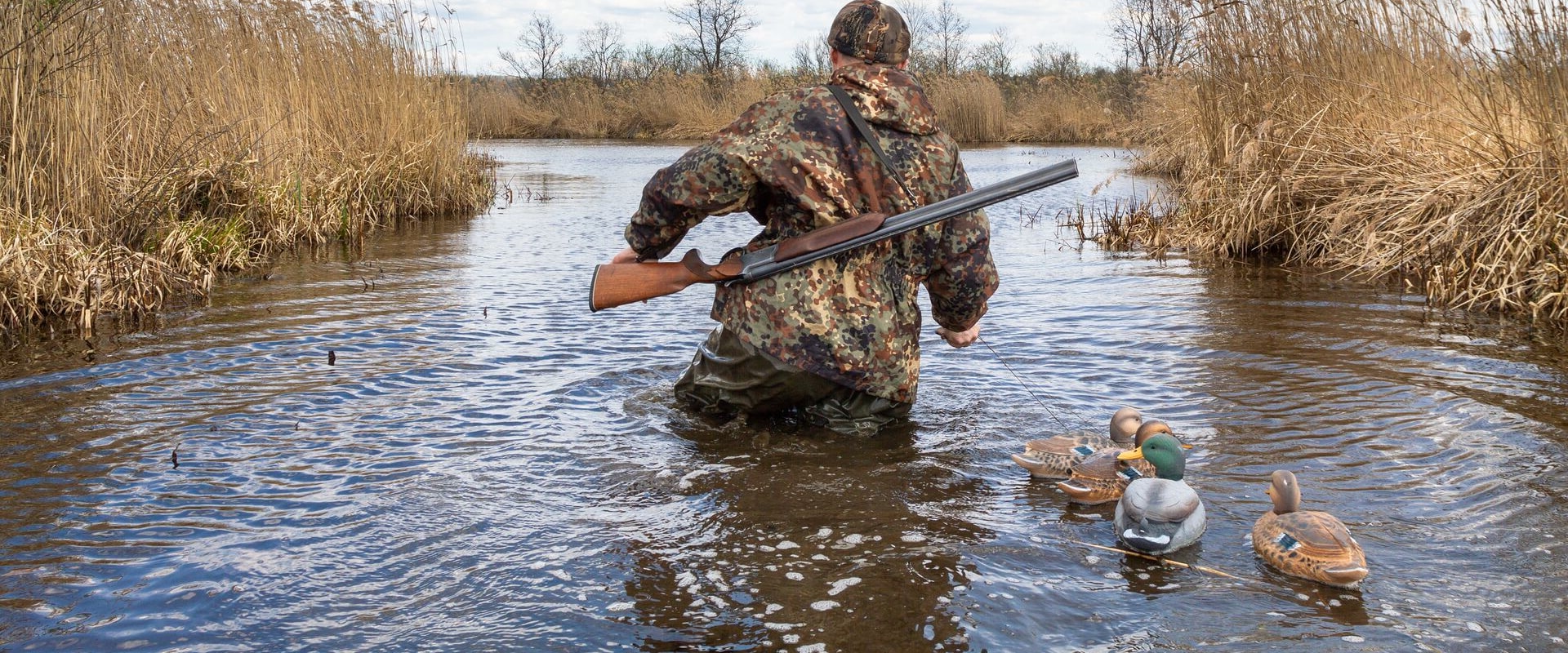
Hunting on public land in Texas offers a unique opportunity for outdoor enthusiasts, particularly for those passionate about Texas duck hunting. With vast expanses of wetlands, lakes, and rivers, the state provides a rich habitat for various waterfowl species. Understanding the nuances of hunting on public land is crucial for both novice and experienced hunters alike, as it not only enhances the hunting experience but also ensures compliance with local regulations. Public lands in Texas are managed by various agencies, including the Texas Parks and Wildlife Department (TPWD) and the U.S. Fish and Wildlife Service.
These lands are accessible to all hunters, but they come with specific Texas duck hunting regulations that must be adhered to. From designated hunting seasons to bag limits and permissible hunting methods, being informed about these rules is essential for a successful outing. Moreover, public land hunting fosters a sense of community among hunters, as it encourages shared experiences and camaraderie in the great outdoors. As we delve deeper into the specific rules governing hunting on public land in Texas, it’s important to recognize that these regulations are designed not only to protect wildlife populations but also to ensure safety and sustainability for future generations of hunters. Whether you’re planning your first duck hunt or are a seasoned pro looking to explore new territories, understanding these guidelines will help you navigate the complexities of public land hunting in Texas.
Texas Hunting Regulations Overview
When it comes to Texas duck hunting, understanding the state's hunting regulations is crucial for both novice and experienced hunters.Texas has a comprehensive set of rules designed to ensure sustainable wildlife management and safety for all participants.
Licensing Requirements:
Before heading out, hunters must obtain the appropriate licenses. In Texas, a hunting license is required for anyone aged 17 and older. Additionally, a Federal Duck Stamp is mandatory for those hunting migratory waterfowl, including ducks. This stamp not only serves as a license but also contributes to wetland conservation efforts.General Rules:
All hunters should be aware of the following general rules that apply across the state:- Hunting Seasons: Texas has specific seasons for different types of game, including ducks.
It’s essential to check the current season dates, as they can vary annually.
- Bag Limits: There are limits on the number of ducks a hunter can take in a day. These limits are set to promote sustainable hunting practices and protect duck populations.
- Hunting Hours: Legal hunting hours for ducks typically begin half an hour before sunrise and end at sunset. Adhering to these times is crucial for compliance with state laws.
- Use of Firearms: Only shotguns capable of holding three shells or fewer are permitted for duck hunting. Hunters must also ensure that their firearms are in good working condition.
Hunters should familiarize themselves with any additional rules that govern these areas, such as special permits or restrictions on certain types of equipment.By adhering to these Texas hunting regulations, hunters can enjoy a safe and responsible experience while contributing to the conservation of wildlife resources in the state. Always stay informed about any changes in laws or regulations by checking with the Texas Parks and Wildlife Department.
Specific Rules for Duck Hunting on Public Land
When it comes to duck hunting on public land in Texas, hunters must adhere to specific regulations to ensure a safe and sustainable experience. Understanding these rules is crucial for both novice and experienced hunters.Season Dates
The Texas duck hunting season typically runs from late September through late January, but exact dates can vary each year. It is essential for hunters to check the Texas Parks and Wildlife Department (TPWD) website for the most current season dates, as they may change based on migratory patterns and environmental conditions.Bag Limits
Hunters should also be aware of the bag limits, which dictate how many ducks can be harvested per day.In Texas, the daily bag limit for ducks is generally six, with specific restrictions on certain species. For example, only one of these can be a canvasback, and there are limits on the number of mallards that can be taken as well. Always refer to the latest regulations for any updates or changes.
Designated Areas
Public lands in Texas designated for duck hunting include various state parks, wildlife management areas, and national wildlife refuges. Each area may have its own set of rules regarding access, hunting zones, and safety regulations.It is advisable to familiarize yourself with these areas before heading out. Maps and guidelines are often available at the TPWD website or at local offices.
Safety Regulations
Safety is paramount when hunting on public land. Hunters are required to wear hunter orange during certain seasons and must follow all firearm safety protocols. Additionally, it is important to respect other hunters and wildlife enthusiasts in the area.By adhering to these specific rules for duck hunting on public land, hunters can contribute to the conservation of wildlife and ensure a positive experience for everyone involved.Permits and Licensing Requirements
When it comes to Texas duck hunting, understanding the necessary permits and licensing requirements is crucial for a successful and legal hunting experience.In Texas, hunters are required to obtain specific licenses and permits to hunt waterfowl on public lands.
Hunting Permits in Texas
- All hunters aged 17 and older must possess a valid Texas hunting license.
- A Federal Duck Stamp is also required for all waterfowl hunters, which can be purchased online or at designated locations.
- If you plan to hunt on public lands, you may need additional permits depending on the specific area and regulations.
Obtaining a Texas Duck Hunting License
The process of obtaining a Texas duck hunting license is straightforward:
- Visit the Texas Parks and Wildlife Department (TPWD) website or an authorized retailer.
- Select the appropriate license type based on your age and residency status.
- Complete the application and pay the associated fees, which vary depending on the license type.
Public Land Hunting Permits
For those interested in hunting on public lands, it’s essential to check if any additional permits are required:
- Some public hunting areas may require a Public Hunting Permit, which can be obtained through TPWD.
- Be aware of specific regulations for each public land area, as they can vary significantly.
Safety Guidelines for Duck Hunters
When it comes to duck hunting in Texas, safety should always be the top priority for hunters and those around them. Adhering to specific safety guidelines not only protects you but also ensures a responsible hunting experience.- Wear Appropriate Safety Gear: Always wear a life jacket when hunting from a boat, and consider using blaze orange clothing to increase visibility, especially during the early morning hours.
- Use Firearms Responsibly: Always treat your firearm as if it is loaded. Keep the muzzle pointed in a safe direction and be aware of your surroundings.
Before firing, ensure that you have a clear shot and that no one is in your line of fire.
- Know Your Limits: Be aware of your physical capabilities and the conditions of the environment. If you are hunting in cold weather, take precautions against hypothermia and know when to call it a day.
- Hunt with a Partner: Whenever possible, hunt with a buddy. This not only enhances safety but also makes for a more enjoyable experience. If an accident occurs, having someone nearby can be crucial.
- Stay Informed: Familiarize yourself with local regulations regarding duck hunting.
This includes understanding designated hunting areas, seasons, and any specific rules that apply to public lands in Texas.
- Practice Safe Boat Handling: If you are using a boat for hunting, ensure it is in good condition and equipped with necessary safety equipment. Always check the weather before heading out and avoid hunting in severe conditions.
Best Practices for Ethical Hunting on Public Land
When engaging in Texas duck hunting on public land, it is crucial to adhere to ethical practices that promote conservation and respect for wildlife. These practices not only enhance the hunting experience but also ensure the sustainability of the environment for future generations.1.Know the Regulations
- Familiarize yourself with local hunting regulations, including season dates, bag limits, and specific rules for public lands.
- Always carry your hunting license and any required permits while hunting.
2.Respect Wildlife
- Avoid overhunting by adhering to bag limits and only taking what you can use.
- Practice selective harvesting, targeting mature ducks to help maintain healthy populations.
3.Leave No Trace
- Clean up after yourself by removing all trash and spent shells from your hunting area.
- Avoid damaging vegetation or disturbing wildlife habitats while setting up blinds or decoys.
4.Share the Space
- Be courteous to other hunters by maintaining a safe distance and respecting their space.
- Communicate with fellow hunters to avoid conflicts and ensure a positive experience for everyone.
5.Support Conservation Efforts
- Participate in local conservation programs or volunteer for habitat restoration projects.
- Consider donating to organizations that focus on wetland preservation and wildlife protection.
This not only benefits the wildlife but also enhances the overall experience of hunting on public lands in Texas.
Frequently Asked Questions about Duck Hunting on Public Land in Texas
When it comes to duck hunting on public land in Texas, many hunters have questions about regulations, safety, and best practices. Here are some frequently asked questions that can help clarify these concerns.- What are the hunting seasons for ducks in Texas?
The duck hunting season in Texas typically runs from late September through late January, but specific dates can vary by year and region. Always check the Texas Parks and Wildlife Department (TPWD) website for the most current information. - Do I need a special permit to hunt on public land?
While a general hunting license is required, some public lands may have additional regulations or require specific permits. It’s essential to review the rules for the particular area you plan to hunt. - What types of public land are available for duck hunting?
Texas offers various public lands for duck hunting, including wildlife management areas (WMAs), national wildlife refuges, and state parks.Each location may have different rules and amenities, so research beforehand.
- Are there restrictions on the type of equipment I can use?
Yes, there are restrictions regarding firearms and ammunition. Generally, shotguns are allowed, but only non-toxic shot is permitted for waterfowl hunting. Check local regulations for specifics. - Can I hunt with a dog on public land?
Yes, hunting with trained dogs is allowed and often encouraged as they can assist in retrieving ducks. However, ensure your dog is well-trained and under control at all times.
Always prioritize safety and adhere to local regulations to ensure a successful outing.
Conclusion: Key Takeaways for Duck Hunters in Texas
In summary, duck hunting on public land in Texas requires a thorough understanding of the specific regulations and best practices to ensure a successful and responsible experience. Here are the key takeaways for hunters:- Know the Regulations: Familiarize yourself with the Texas Parks and Wildlife Department's rules regarding hunting seasons, bag limits, and specific regulations for public lands. This knowledge is crucial for compliance and conservation efforts.
- Obtain Necessary Permits: Ensure you have the appropriate licenses and permits before heading out. This includes a valid Texas hunting license and any required stamps for migratory birds.
- Respect Wildlife and Habitat: Always practice ethical hunting by respecting wildlife habitats.
Avoid disturbing nesting areas and be mindful of your impact on the environment.
- Practice Safety: Safety should always be a priority. Wear appropriate gear, including life jackets when hunting near water, and ensure your firearm is handled responsibly.
- Scout Locations: Take time to scout potential hunting spots before the season begins. Understanding the terrain, water levels, and duck migration patterns can significantly enhance your chances of success.
- Be Considerate of Other Hunters: Public lands can be crowded during peak seasons. Be courteous to fellow hunters by maintaining a safe distance and following common hunting etiquette.
Remember, responsible hunting not only benefits you but also preserves the sport for future generations.