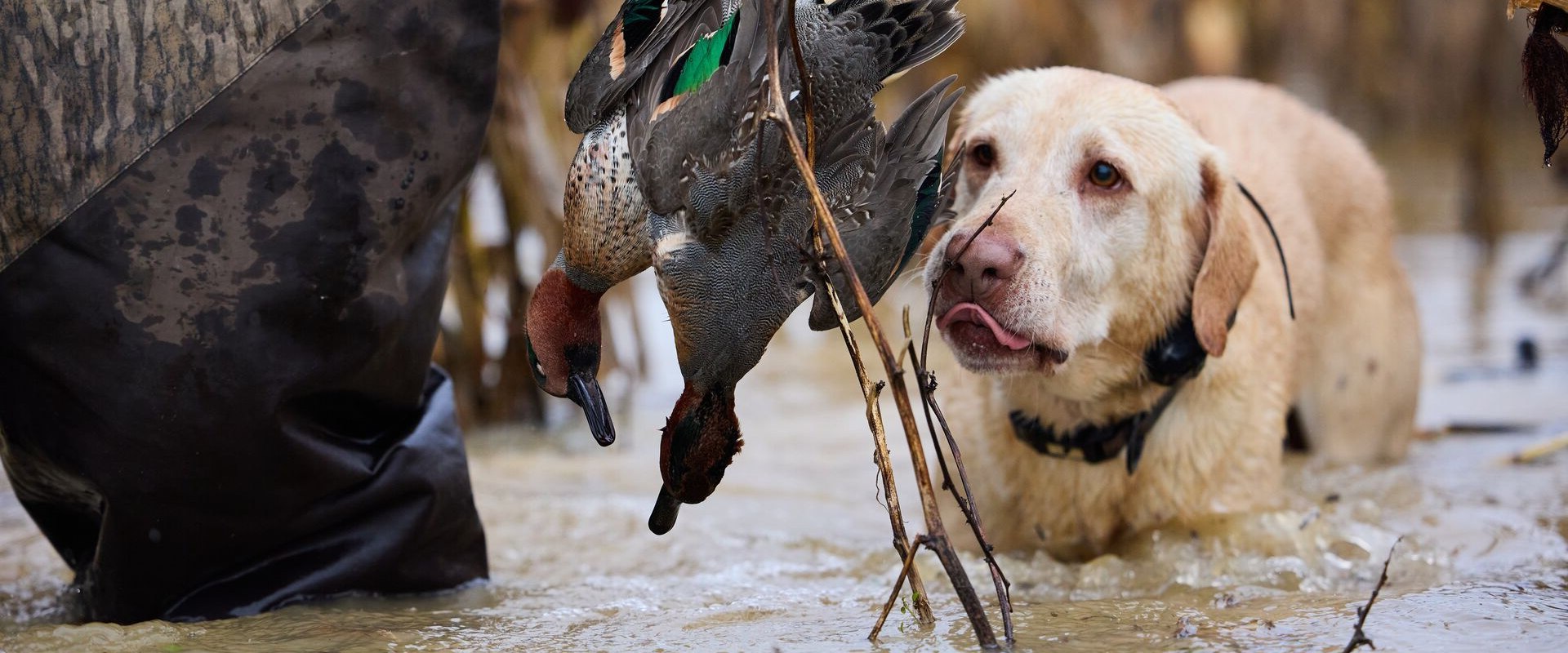
Texas is renowned for its diverse landscapes and abundant wildlife, making it a prime destination for duck hunting. With vast wetlands, lakes, and rivers, the state offers a rich habitat for various duck species, attracting hunters from all over the country. The thrill of the hunt, combined with the camaraderie of fellow enthusiasts, creates an experience that is both exhilarating and deeply rooted in tradition. One of the key elements that enhance the duck hunting experience in Texas is the use of dogs. These loyal companions play a crucial role in retrieving downed birds, ensuring that hunters can maximize their success in the field.
The bond between a hunter and their dog is often celebrated, as these animals are not only skilled workers but also beloved family members. However, as with any outdoor activity, there are specific regulations that govern the use of dogs during hunting seasons. Understanding the duck hunting regulations in Texas is essential for both novice and seasoned hunters. These rules not only ensure ethical hunting practices but also protect wildlife populations and their habitats. As we delve deeper into this topic, we will explore the specific restrictions on using dogs while duck hunting in Texas, providing valuable insights for those looking to embark on this rewarding pursuit.
Overview of Duck Hunting Regulations in Texas
When it comes to Texas duck hunting, understanding the regulations is essential for a successful and legal hunting experience.The Texas Parks and Wildlife Department (TPWD) oversees the rules that govern waterfowl hunting, ensuring that hunters are informed about licensing, seasons, and bag limits.
Licensing Requirements
- All hunters must possess a valid Texas hunting license.
- A Federal Duck Stamp is also required for anyone aged 16 and older who hunts migratory waterfowl.
- Additionally, a Texas Migratory Game Bird Stamp is necessary for hunting ducks, geese, and other migratory birds.
Hunting Seasons
The duck hunting season in Texas typically runs from late September through January, but specific dates can vary by year and region. It is crucial for hunters to check the current hunting laws in Texas to confirm the exact dates for the area they plan to hunt. The state is divided into different zones, each with its own set of regulations regarding open seasons.
Bag Limits
- The daily bag limit for ducks is generally six, but this can include no more than four mallards (only two of which may be hens), three wood ducks, two redheads, and one pintail.
- Hunters should also be aware of possession limits, which are typically three times the daily bag limit.
Additional Regulations
In addition to licensing and seasonal restrictions, there are specific rules regarding the use of dogs during waterfowl hunting. While dogs are commonly used to retrieve downed birds, hunters must ensure that their dogs are well-trained and under control at all times.
It is also important to be aware of any local regulations that may impose additional restrictions on dog use during hunts.By familiarizing themselves with these regulations, hunters can ensure a responsible and enjoyable experience while participating in Texas duck hunting.
The Role of Dogs in Duck Hunting
When it comes to Texas duck hunting, the use of dogs is not just a tradition; it is a vital component that enhances the overall hunting experience. Dogs serve multiple roles, primarily as retrievers, but they also act as loyal companions in the field.The Importance of Retrieving Dogs
- Efficiency: Retrieving dogs are trained to fetch downed ducks quickly and efficiently, saving hunters time and ensuring that no game is lost.
- Versatility: Many breeds, such as Labrador Retrievers and Golden Retrievers, are particularly well-suited for this task due to their strong swimming abilities and keen sense of smell.
- Safety: A well-trained dog can navigate through difficult terrain, helping to locate birds in thick marshes or dense cover where visibility is limited.
Choosing the Right Hunting Dog in Texas
When selecting a dog for hunting, it’s essential to consider factors such as breed temperament, training, and adaptability to the Texas environment.
Some popular breeds among Texas hunters include:
- Labrador Retriever
- Golden Retriever
- Chesapeake Bay Retriever
- Spaniels (like the American Water Spaniel)
Restrictions on Using Dogs While Duck Hunting in Texas
When it comes to Texas duck hunting, the use of dogs can significantly enhance the hunting experience, but there are specific restrictions and regulations that hunters must adhere to. Understanding these rules is crucial for both the safety of the dogs and compliance with state laws.Legal Requirements for Hunting Dogs
- In Texas, all hunting dogs must be properly licensed and vaccinated. This includes having up-to-date rabies vaccinations, which is essential for the health of the dog and other wildlife.
- Hunters are required to ensure that their dogs are trained and capable of retrieving waterfowl effectively.
Untrained or aggressive dogs can disrupt the hunting environment and may lead to legal repercussions.
Prohibited Practices
- Using dogs that are not under control can lead to violations. Hunters must keep their dogs on a leash or within a designated area when not actively hunting.
- It is illegal to use dogs for hunting during closed seasons or in areas where hunting is prohibited. Always check local regulations before heading out.
State Laws and Regulations
The Texas Parks and Wildlife Department (TPWD) outlines specific regulations regarding the use of dogs in hunting. These include:
- Dogs must not be used to chase or harass wildlife outside of designated hunting times.
- Hunters should be aware of any local ordinances that may impose additional restrictions on dog use during hunting activities.
Adhering to these guidelines not only ensures a successful hunt but also promotes responsible hunting practices that protect both wildlife and the environment.
Types of Dogs Commonly Used for Duck Hunting
When it comes to Texas duck hunting, the choice of dog can significantly impact the success of your hunt. Certain breeds are particularly well-suited for retrieving waterfowl, thanks to their natural instincts, physical abilities, and temperament.Retriever Breeds
Among the most popular choices for duck hunting are retriever breeds. These dogs are known for their excellent swimming skills and strong retrieving instincts. Here are a few top retriever breeds:- Golden Retriever: Renowned for their friendly nature and intelligence, Golden Retrievers excel in both training and performance.
Their thick, water-resistant coat makes them ideal for cold water retrieves.
- Labrador Retriever: Perhaps the most common hunting dog, Labs are versatile and eager to please. They have a strong drive to retrieve and are known for their endurance in various weather conditions.
- Chesapeake Bay Retriever: This breed is particularly suited for hunting in rough waters. They possess a unique double coat that provides insulation and protection against cold temperatures.
Other Suitable Breeds
While retrievers dominate the field, other breeds also make excellent companions for waterfowl hunting. Consider the following:- American Water Spaniel: This breed is smaller but highly energetic and adaptable.
They are known for their ability to work in various terrains and excel in both land and water retrieves.
- Boykin Spaniel: A lesser-known breed, Boykin Spaniels are enthusiastic hunters with a strong desire to retrieve. Their compact size allows them to navigate through dense cover easily.
- Vizsla: Although not a traditional retriever, Vizslas are versatile hunting dogs that can excel in retrieving tasks due to their agility and keen sense of smell.
Training Your Dog for Duck Hunting
Training your dog for duck hunting in Texas is essential for a successful outing. A well-trained dog not only enhances your hunting experience but also ensures the safety and efficiency of retrieving waterfowl.Here are some effective training techniques to prepare your canine companion.
Basic Commands
Start with fundamental commands that every hunting dog should know:- Sit: This command is crucial for keeping your dog calm and controlled during hunts.
- Stay: Teaching your dog to stay in place until given the command to retrieve is vital for managing excitement.
- Come: A reliable recall is essential, especially in open fields or near water.
Retrieving Skills
Once your dog has mastered basic commands, focus on developing their retrieving skills:- Use Dummy Training: Start with a dummy that mimics the size and weight of a duck. This helps your dog associate the object with retrieving.
- Introduce Water: Gradually introduce your dog to water retrieval. Begin in shallow areas and increase difficulty as they gain confidence.
- Marking Exercises: Practice marking where ducks fall by throwing dummies in various directions, encouraging your dog to remember the locations.
Tips for Effective Training
To maximize the effectiveness of your training sessions, consider these tips:- Consistency is Key: Regular training sessions help reinforce commands and skills.
- Positive Reinforcement: Use treats and praise to reward good behavior, making training a positive experience for your dog.
- Patience and Persistence: Every dog learns at their own pace. Be patient and persistent, adjusting techniques as needed to suit your dog's learning style.
A well-trained dog can make all the difference in a successful hunt in the beautiful landscapes of Texas.
Frequently Asked Questions About Dogs and Duck Hunting in Texas
When it comes to Texas duck hunting, many hunters have questions regarding the use of dogs. Here are some frequently asked questions that can help clarify any concerns:Can I use my dog for retrieving ducks in Texas?
Yes, you can use dogs for retrieving ducks while hunting in Texas. In fact, trained retrievers are often considered essential for a successful hunt, as they can efficiently fetch downed birds from water and difficult terrain.Are there specific breeds recommended for duck hunting?
While any dog can potentially be trained for duck hunting, certain breeds are particularly well-suited for the task. Popular choices include:- Labrador Retrievers
- Golden Retrievers
- Chesapeake Bay Retrievers
- Spaniels
Are there any regulations regarding dog use during hunting?
In Texas, there are no specific state regulations that prohibit the use of dogs during duck hunting.However, hunters should ensure that their dogs are well-trained and under control at all times to avoid disrupting other hunters or wildlife.
What should I do if my dog gets lost during a hunt?
If your dog goes missing while hunting, it’s important to stay calm. Here are some steps to take:- Call your dog’s name loudly and clearly.
- Use a whistle if your dog is trained to respond to one.
- Search the immediate area, looking for signs of your dog.
- If you cannot find your dog, consider notifying local hunters or nearby landowners.
Conclusion: Key Takeaways on Dog Use in Texas Duck Hunting
In summary, understanding the regulations and best practices regarding dog use in Texas duck hunting is crucial for both compliance and enhancing your hunting experience. Here are the key takeaways:- Regulatory Compliance: Always check the latest Texas Parks and Wildlife Department regulations, as they can change annually. Familiarize yourself with any specific rules regarding dog breeds, training, and usage during hunting seasons.
- Training and Behavior: Properly trained dogs not only improve your chances of a successful hunt but also ensure safety in the field.
Invest time in training your dog to respond to commands and behave appropriately around waterfowl.
- Species-Specific Considerations: Different species of ducks may require different approaches when using dogs. Understanding the behavior of the ducks you are hunting can help you utilize your dog more effectively.
- Ethical Hunting Practices: Always prioritize ethical hunting practices. This includes ensuring that your dog is well-cared for and not overworked during hunts, as well as respecting wildlife and their habitats.
- Local Knowledge: Engage with local hunting communities or forums to gain insights on best practices and experiences related to dog use in Texas duck hunting. Local knowledge can be invaluable in navigating specific challenges or regulations.
Remember, a well-prepared hunter is one who respects both the game and the environment.